1 May 2025
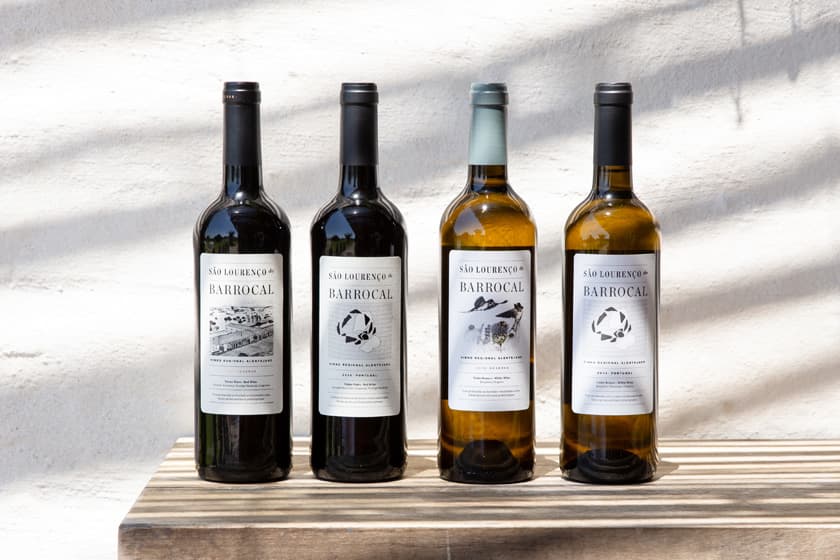
Wine from the Alentejo: The Barrocal Estate Winery
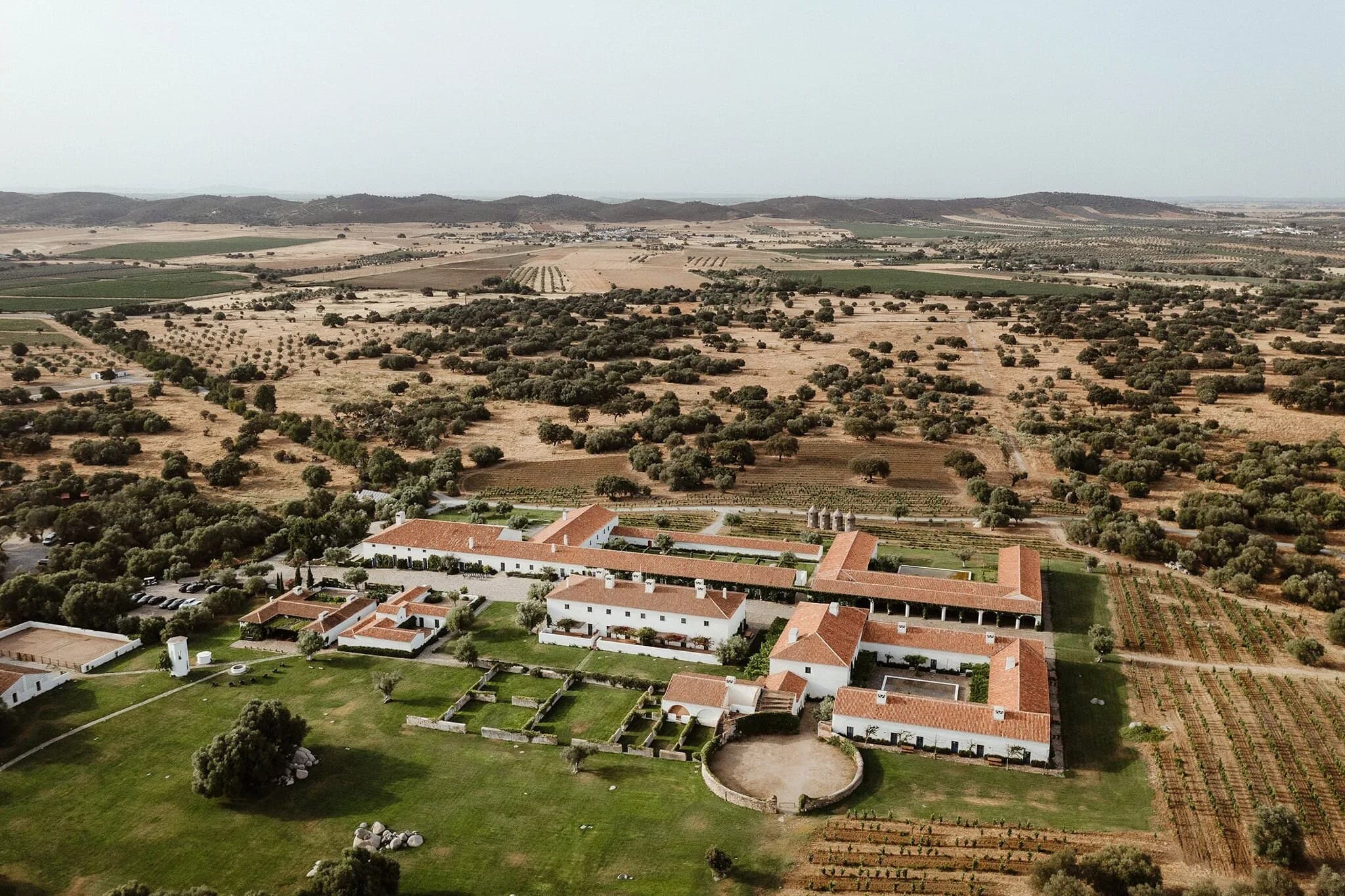
Across 780 hectares of Alentejo land, more than just the landscape grows. The Barrocal's vines, over ten years old, reflect the character of a unique terroir — and the conviction that good wine takes time.
Alentejo wine has always been about patience. The region's long, dry summers and mild winters create conditions that push vines to develop slowly — concentrating flavour rather than volume. The clay and schist soils around Monsaraz hold the day's heat and release it gradually through the night. It is a rhythm that defines the character of everything grown here.
The Barrocal Vineyards
When José António Uva began restoring his family's estate, the land already carried traces of an older wine tradition. He didn't build a winery on top of that history — he built one from within it. The vineyards you walk through today were planted over a decade ago, and the vines have spent those years developing roots that reach deep into the estate's particular soil.
São Lourenço do Barrocal's wines now reflect what that time has produced: structure, restraint and a sense of place that's difficult to manufacture. The portfolio spans both reds and whites from classic Alentejo varieties — Aragonez, Alicante Bouschet and Trincadeira among the reds; Antão Vaz and Arinto among the whites. Each is made with the same philosophy that governs the kitchen: good ingredients, minimal interference, maximum integrity.
Tasting the Wines
The simplest way in is the introductory tasting: five wines, a walk through the vineyards and a visit to the cellar. You'll learn about the grape varieties grown on the property while being introduced to the estate's viticulture and winemaking philosophy — the same tradition that the founder helped establish in the Alentejo.
For those who want to go deeper, the vertical tasting pairs wines across different years with food specially prepared by the kitchen team. It is a way to taste how the terroir evolves, how time changes what's in the bottle, and how a landscape accumulates character.
And then there is the experience that makes the most of where you are: tasting by carriage or on horseback, moving through the estate past ancient olive trees, the Neolithic menhir and the Alqueva beyond, before settling into a tasting that takes place in the middle of the landscape itself. Of all the ways to understand a wine, this is perhaps the most honest.
Wine at the Table
The connection between the estate's wines and its kitchen is not incidental. The same bottles you taste in the cellar appear on the Casa de Pasto table that evening, alongside dishes built from produce grown on the same land. It is a coherence that runs through everything Barrocal does — and in the glass, it is unmistakable.
One glass often becomes two. That, too, feels intentional.
Related hotels
 Monsaraz, Alentejo, Portugal
São Lourenço do Barrocal
Agro-tourismslow & grounded — Portugal as it truly isSão Lourenço do Barrocal is a 19th-century working monte spanning 780 hectares of Alentejo landscape between the medieval hilltop village of Monsaraz and the Alqueva reservoir. Architect José António Uva gently transformed his family's estate into one of Portugal's finest hideaways without surrendering an ounce of its soul. The estate still works: its own olive groves, vineyards, sheep's cheese, horses. The olive oil, wine and cheese on the breakfast table all come from Barrocal itself. The 22 rooms and cottages are spread across the old estate — each a small private territory with its own outdoor space, looking onto the courtyard, landscape or the village of Monsaraz.