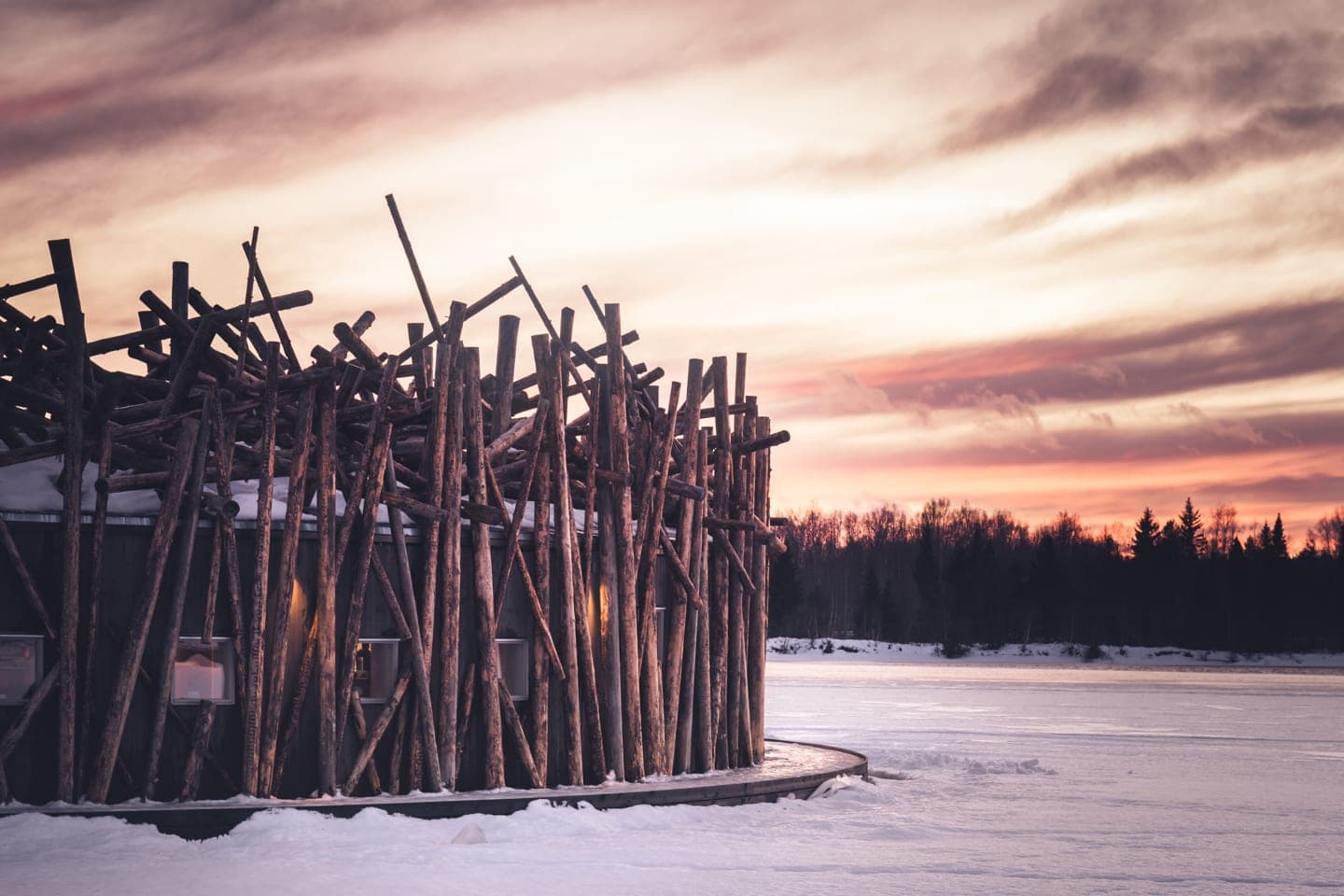
Most hotels try to protect their guests from nature. Arctic Bath does the opposite. Here, nature is not shut out but deliberately let in. Cold is not seen as a problem, but as part of the experience. Darkness is not a limitation, but a trait of the landscape. And the river on which the hotel floats is not merely a backdrop, but the centre of the whole idea.
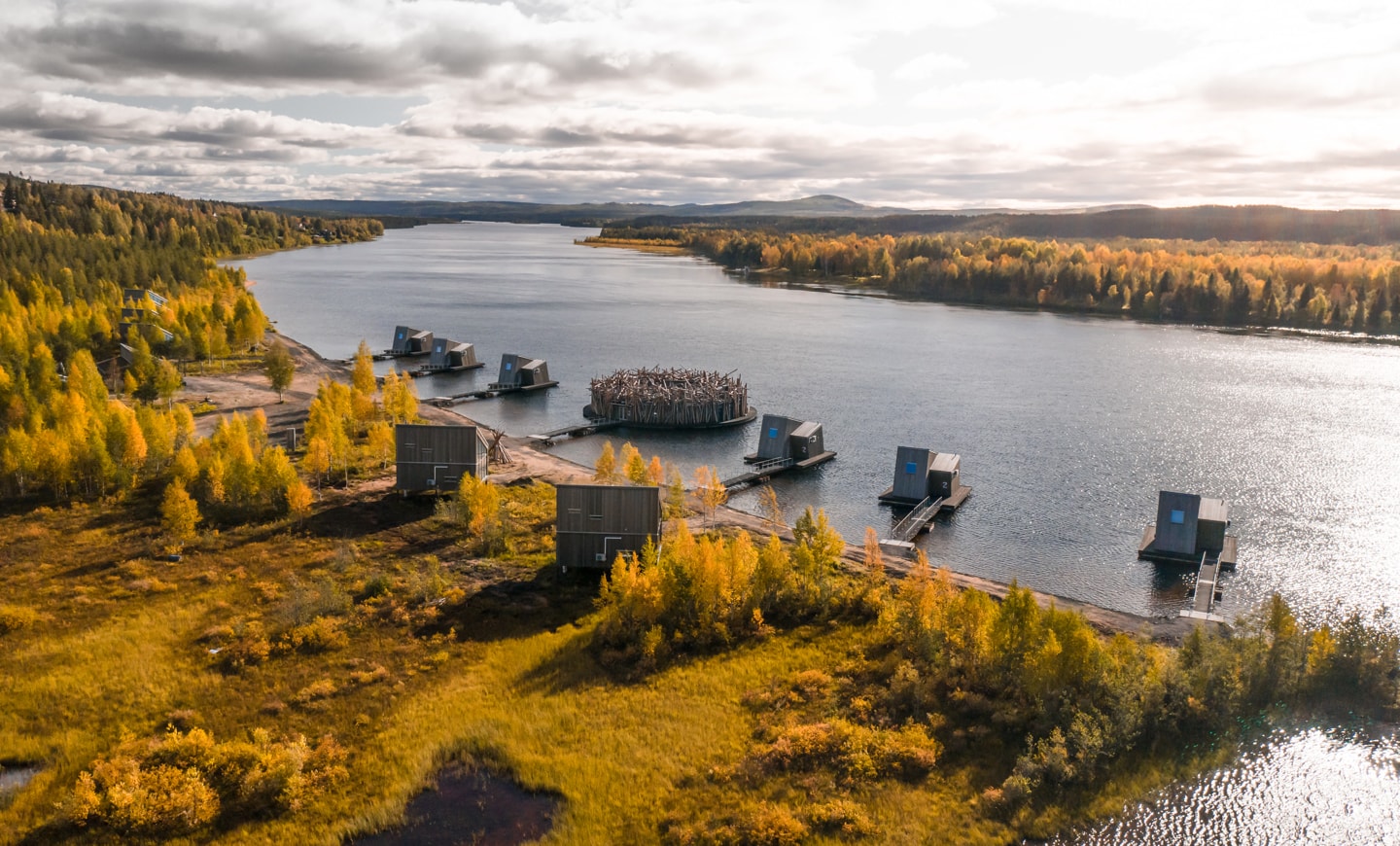
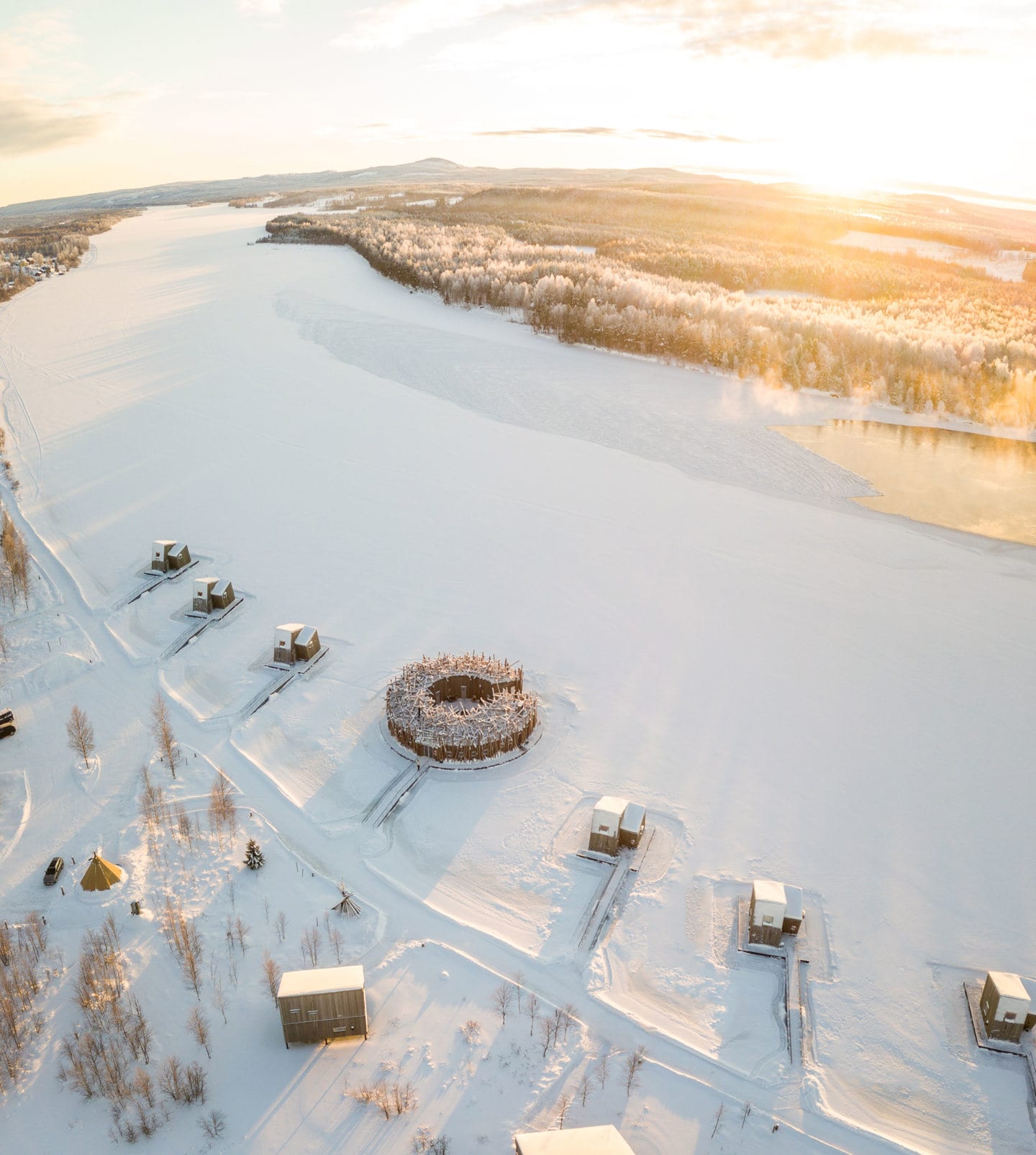
Deep in Swedish Lapland, near the small village of Harads, Arctic Bath drifts on the Lule River. In summer the circular structure floats on the water; in winter it freezes into the ice and becomes part of the landscape. This change alone makes clear what this place is about. This hotel was not built to detach itself from its surroundings. It was built to live with them.
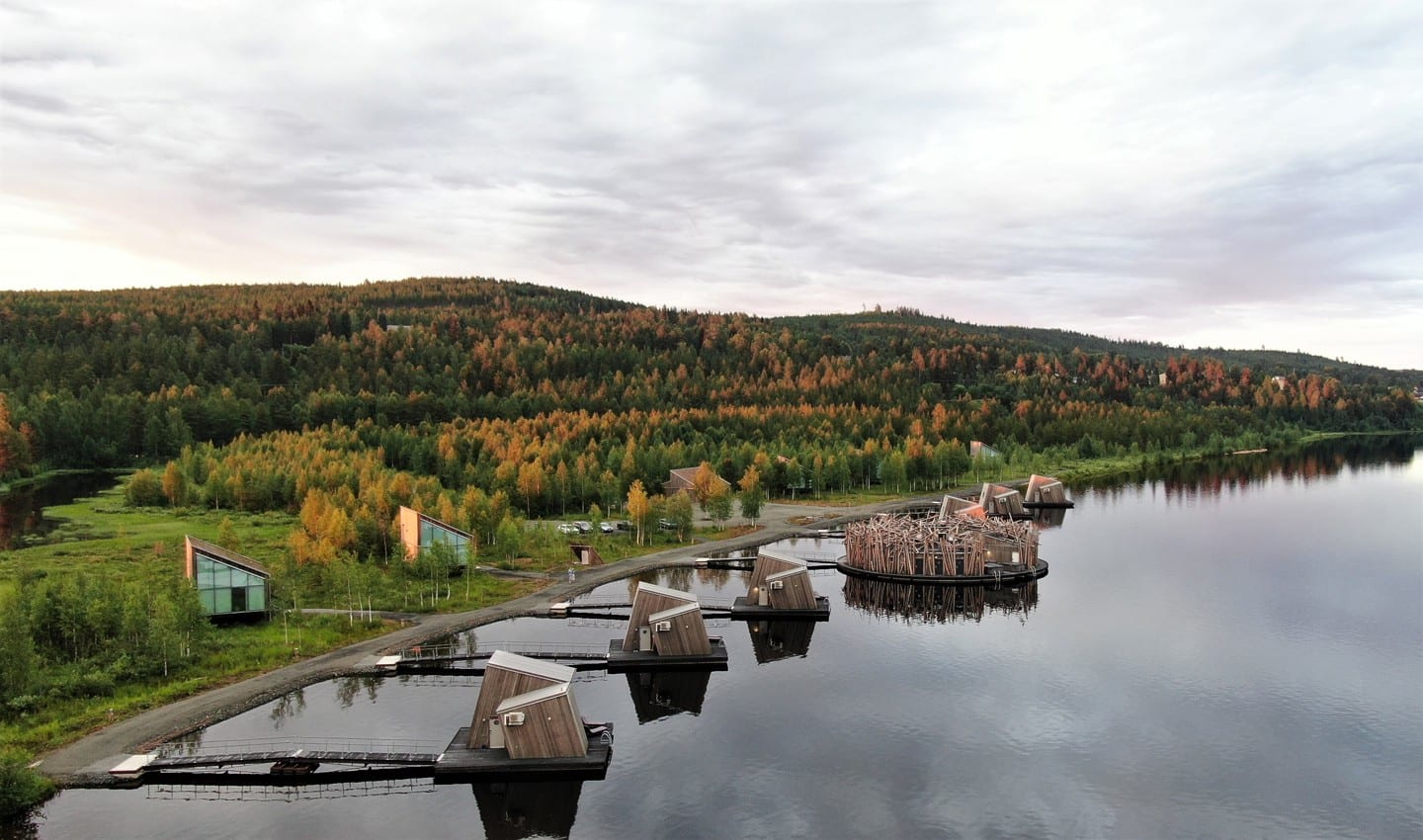
Anyone seeing pictures of Arctic Bath for the first time usually wonders how this unusual architecture came to be. The answer lies in the history of the region. For centuries, timber was transported down the rivers of northern Sweden. Huge logs drifted downstream and were gathered at collection points before being processed further.
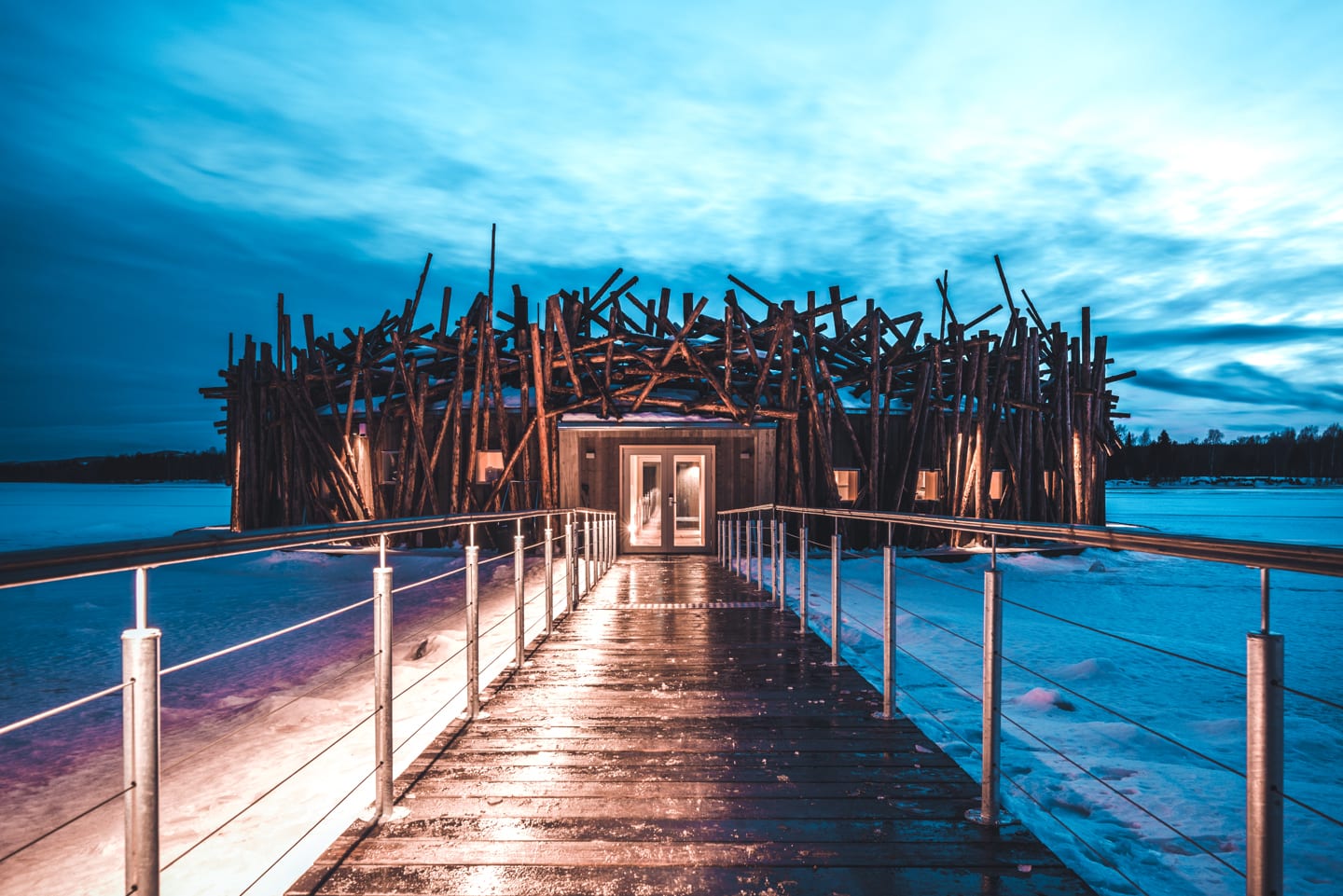
The circular shape of the hotel deliberately recalls these log booms, linking the modern architecture with Lapland's industrial past. The building feels futuristic and deeply rooted at the same time — a rare feat.
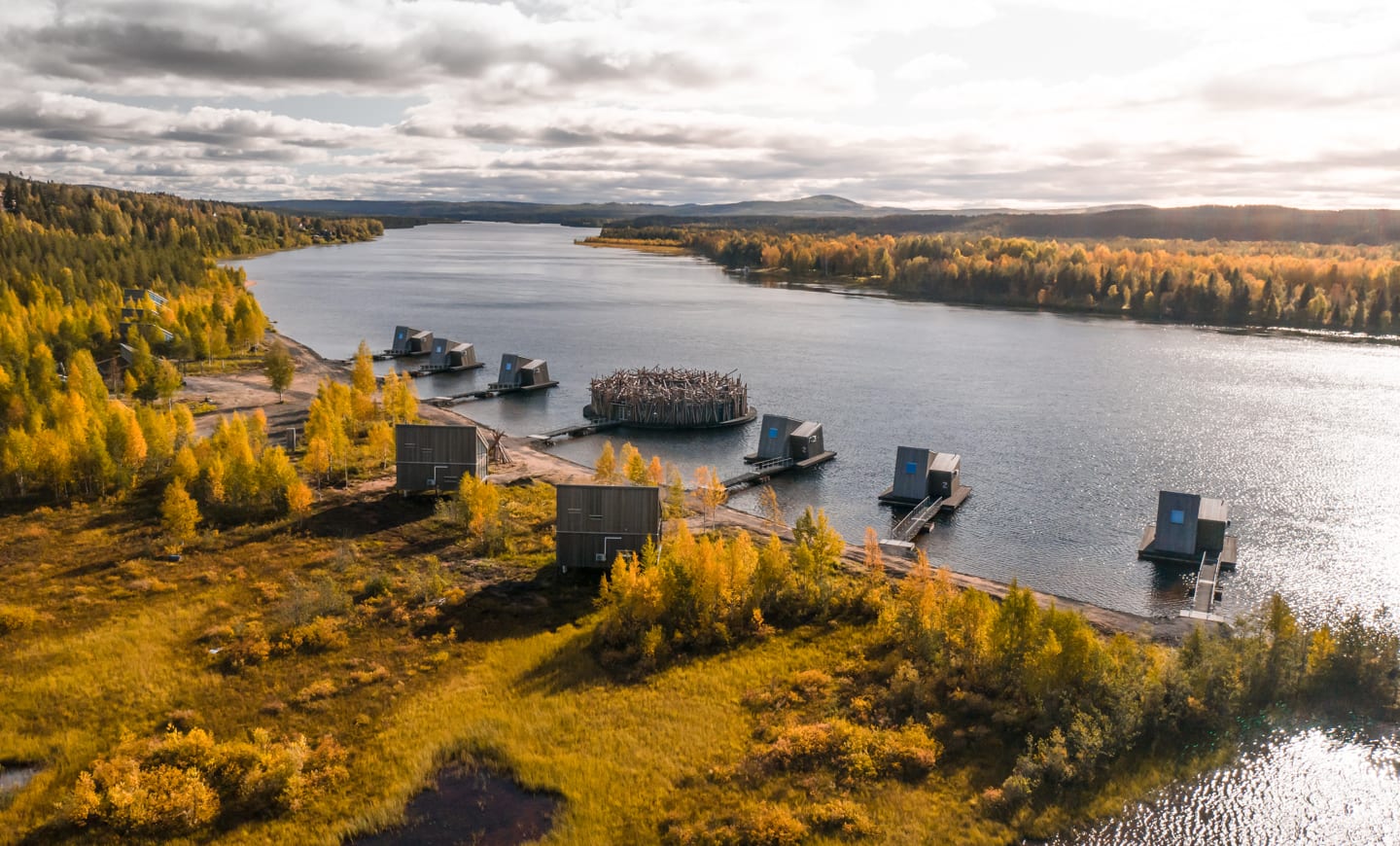
But the real fascination only begins once you arrive. The landscape around Harads is one of those places in Europe where nature still plays the leading role. The forests seem endless. In winter, snow lies metres deep between the trees. Temperatures drop far below freezing. In summer, the sun barely disappears behind the horizon.
Here, the seasons are not merely differences in weather. They change the whole of life.
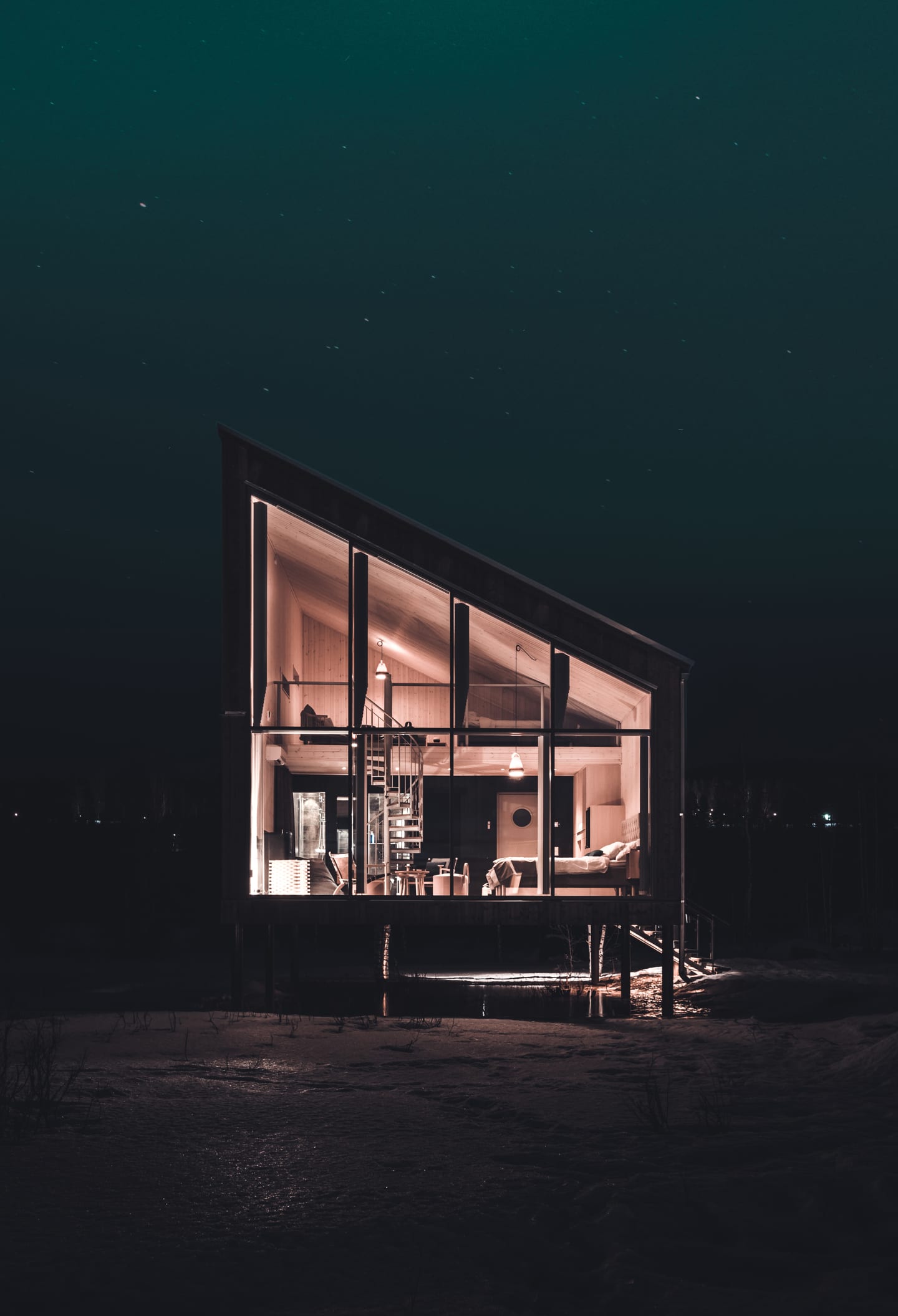
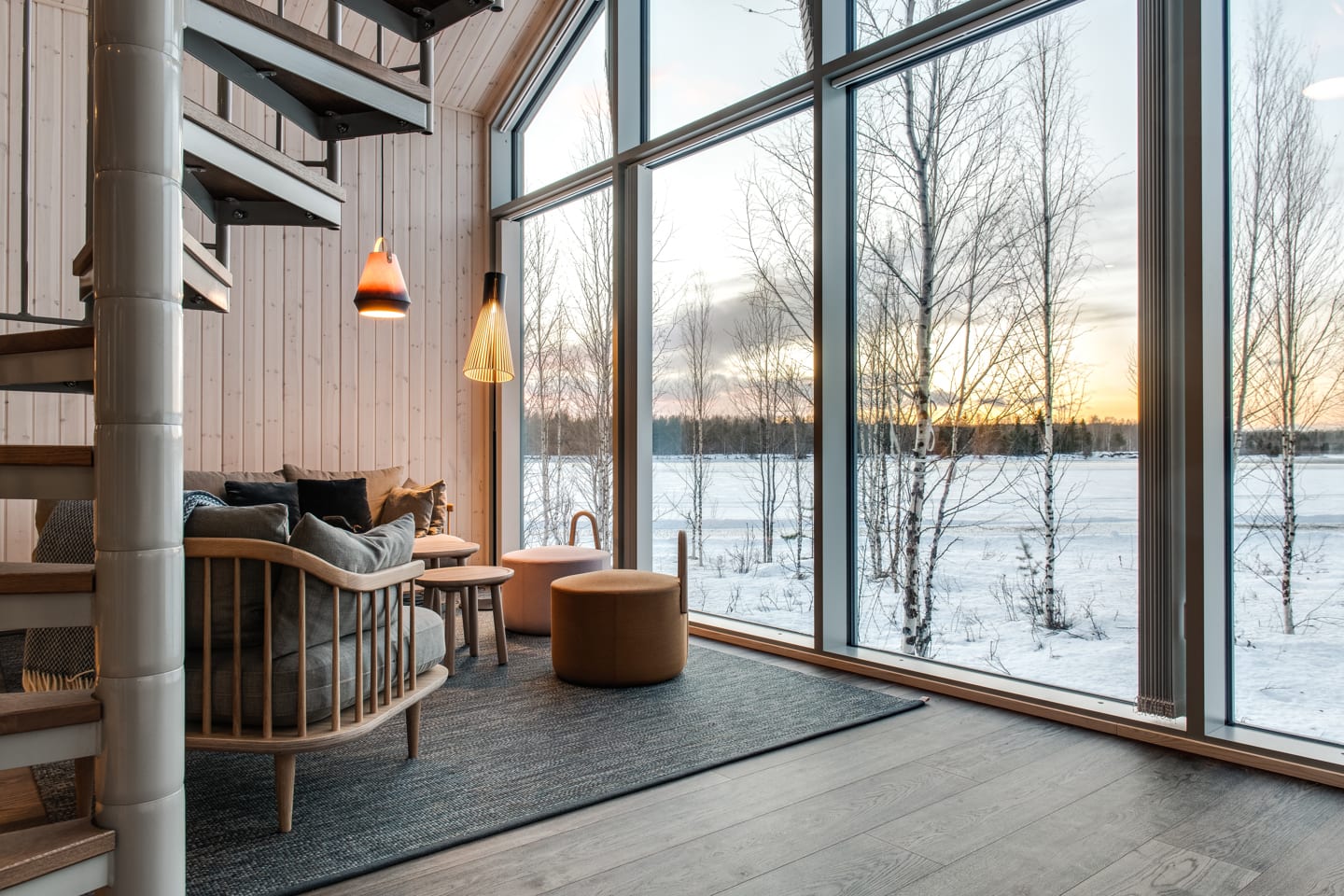
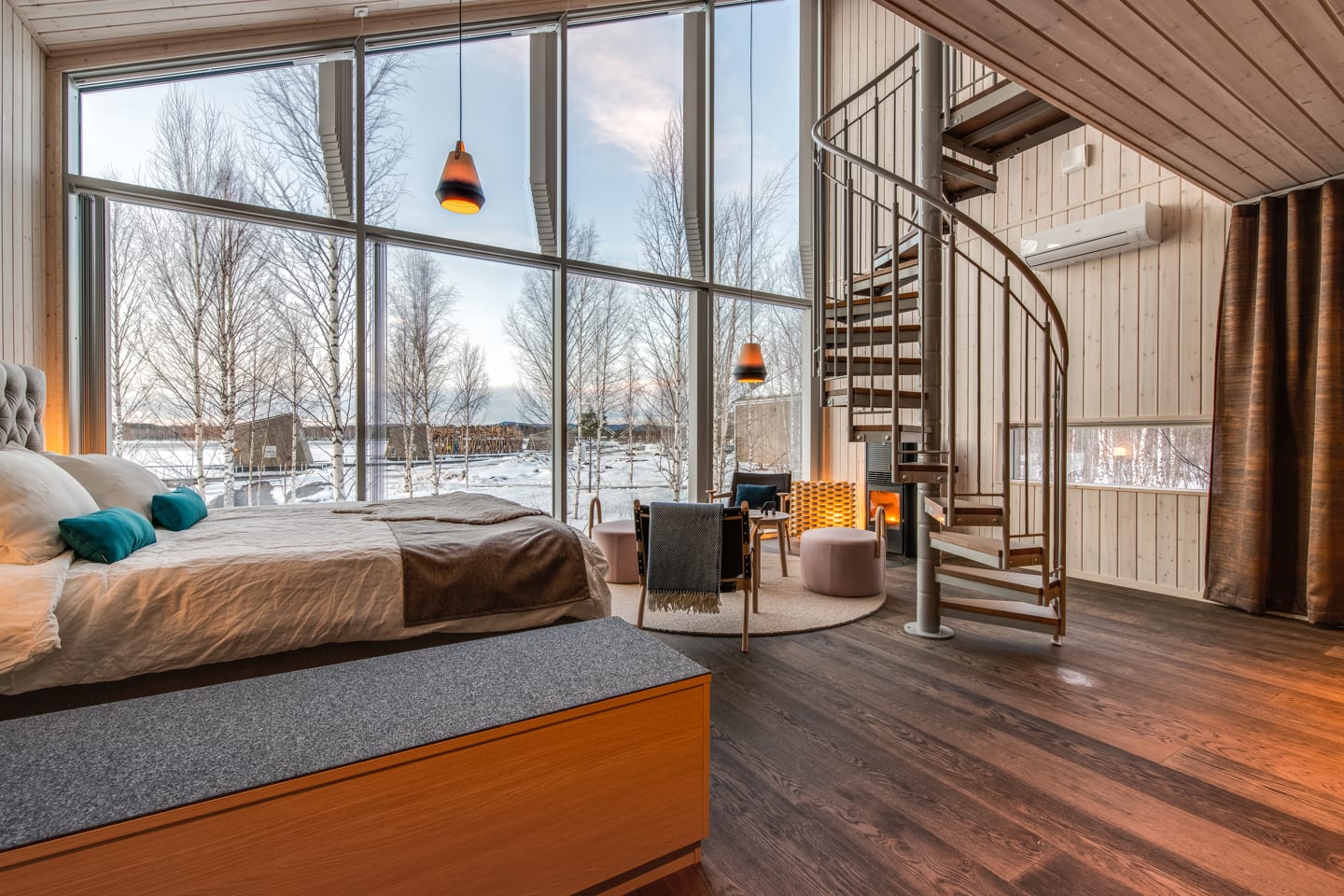
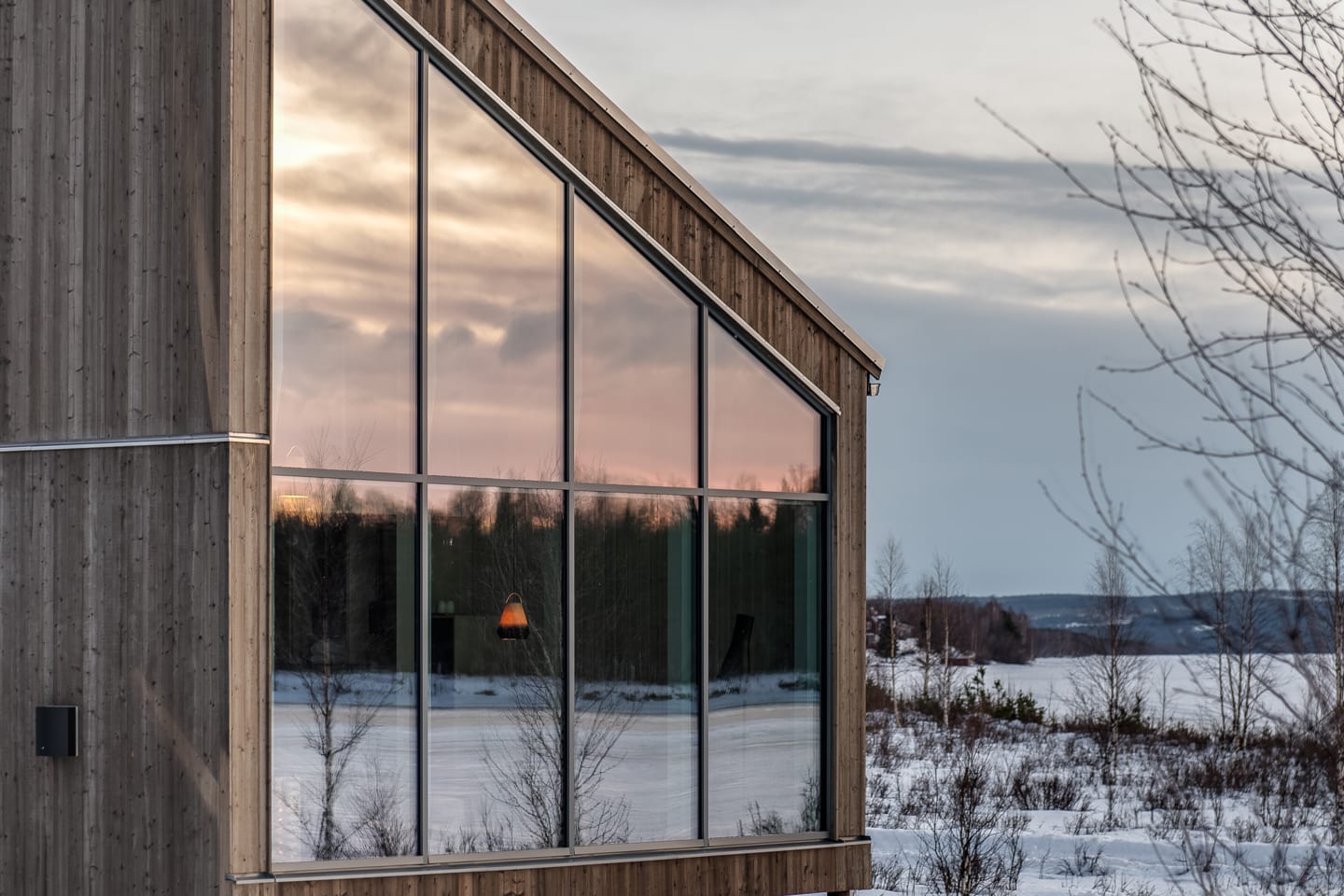
Arctic Bath has tuned its architecture precisely to this. Large windows draw the changing light inside. The rooms focus the gaze consistently on the landscape. Even the public areas feel less like hotel spaces than like viewpoints. Again and again, attention turns outward. To the river. To the forest. To the sky. And sometimes to the northern lights.
For there is hardly a place where you can experience the aurora borealis more impressively. While many people visit the North to see the northern lights, Arctic Bath seems to have been built rather to make the entire landscape tangible. The northern lights are only one part of it.
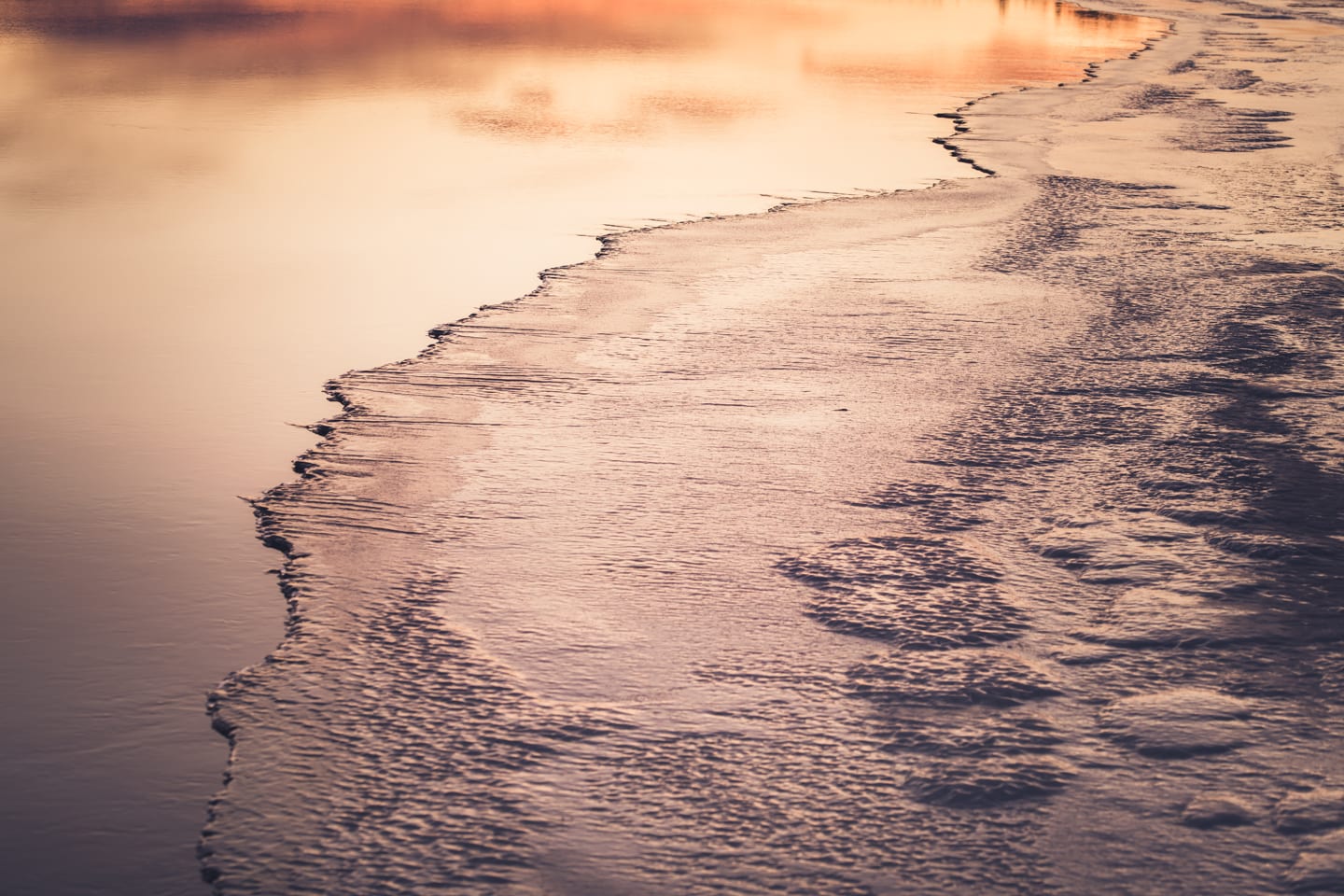
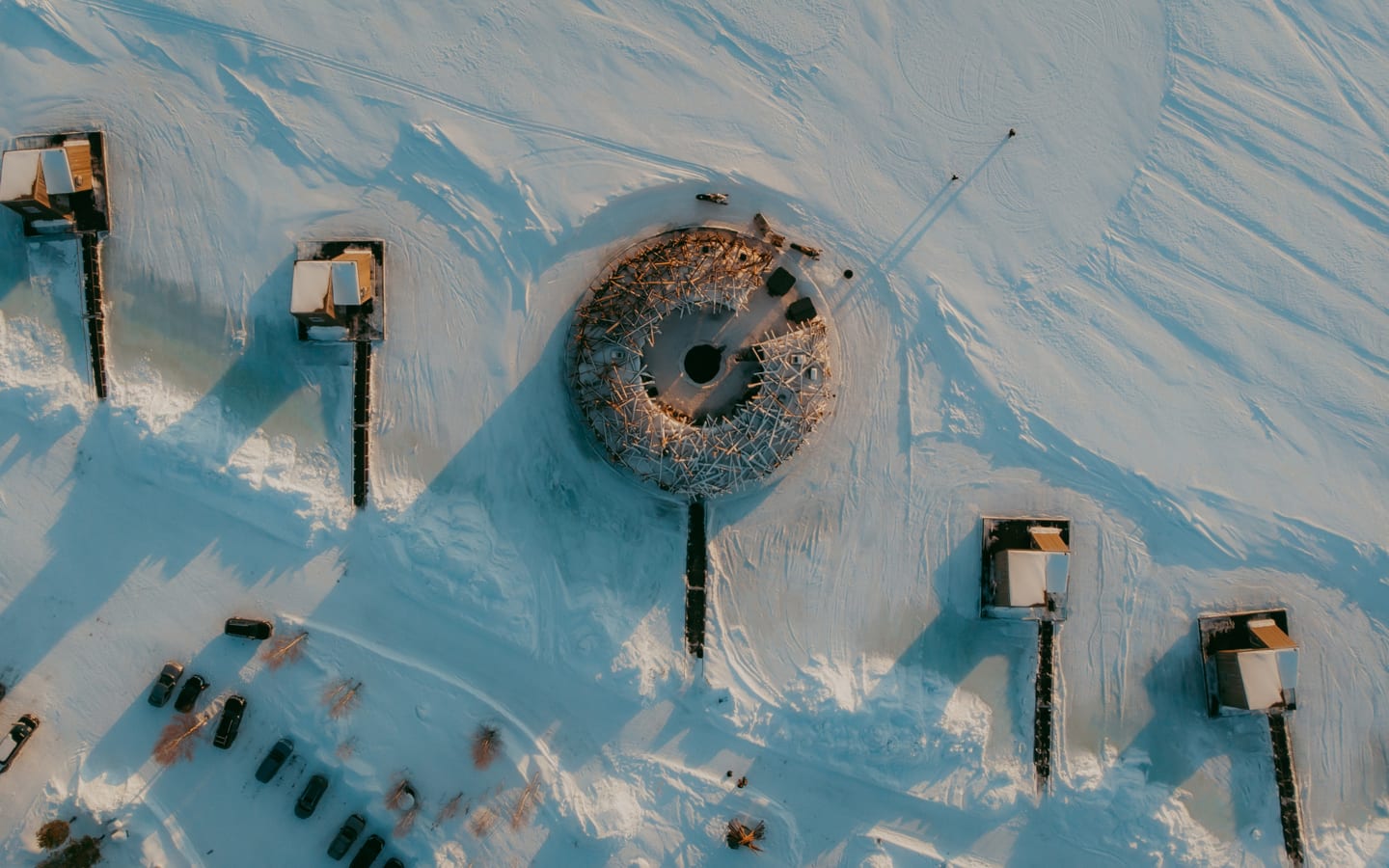
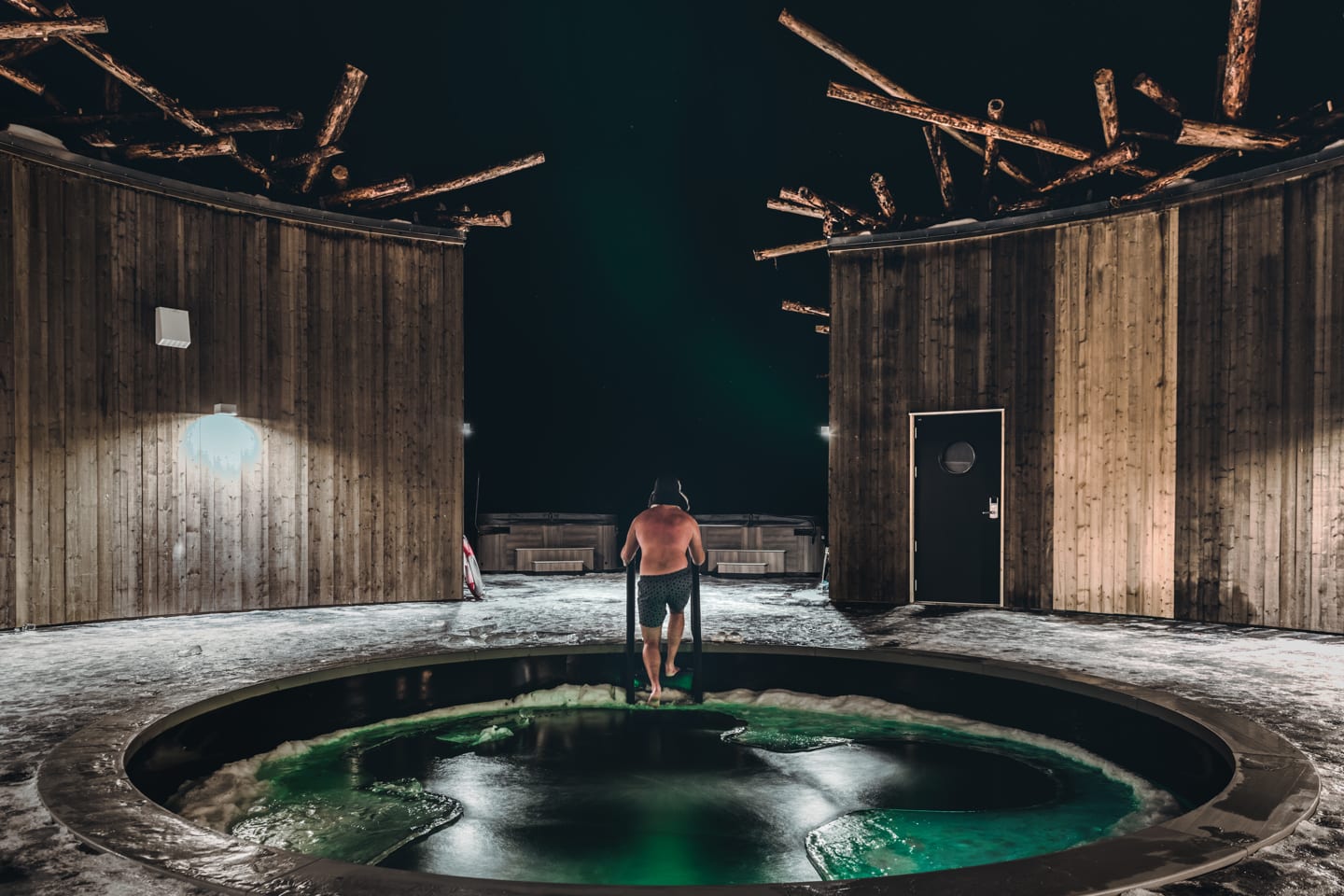
At the heart of the hotel, however, stands something else: water. More precisely, the contrast between cold and warm water. The central opening in the building leads straight to the river. In winter, guests swim through a hole in the ice. Afterwards comes the sauna. Then back into the cold water again. It is a tradition kept alive in the Nordic countries for centuries, and here it has become a central part of the stay.
What at first sounds extreme feels surprisingly natural. After a few days you begin to understand why people in the North value these rituals so much. The cold sharpens perception. The warmth afterwards feels more intense. You become more aware of your own body. And of your surroundings, too. Perhaps that also explains why Arctic Bath does not feel like a classic wellness hotel. The spa is not the centrepiece. It is simply another way of experiencing the landscape.
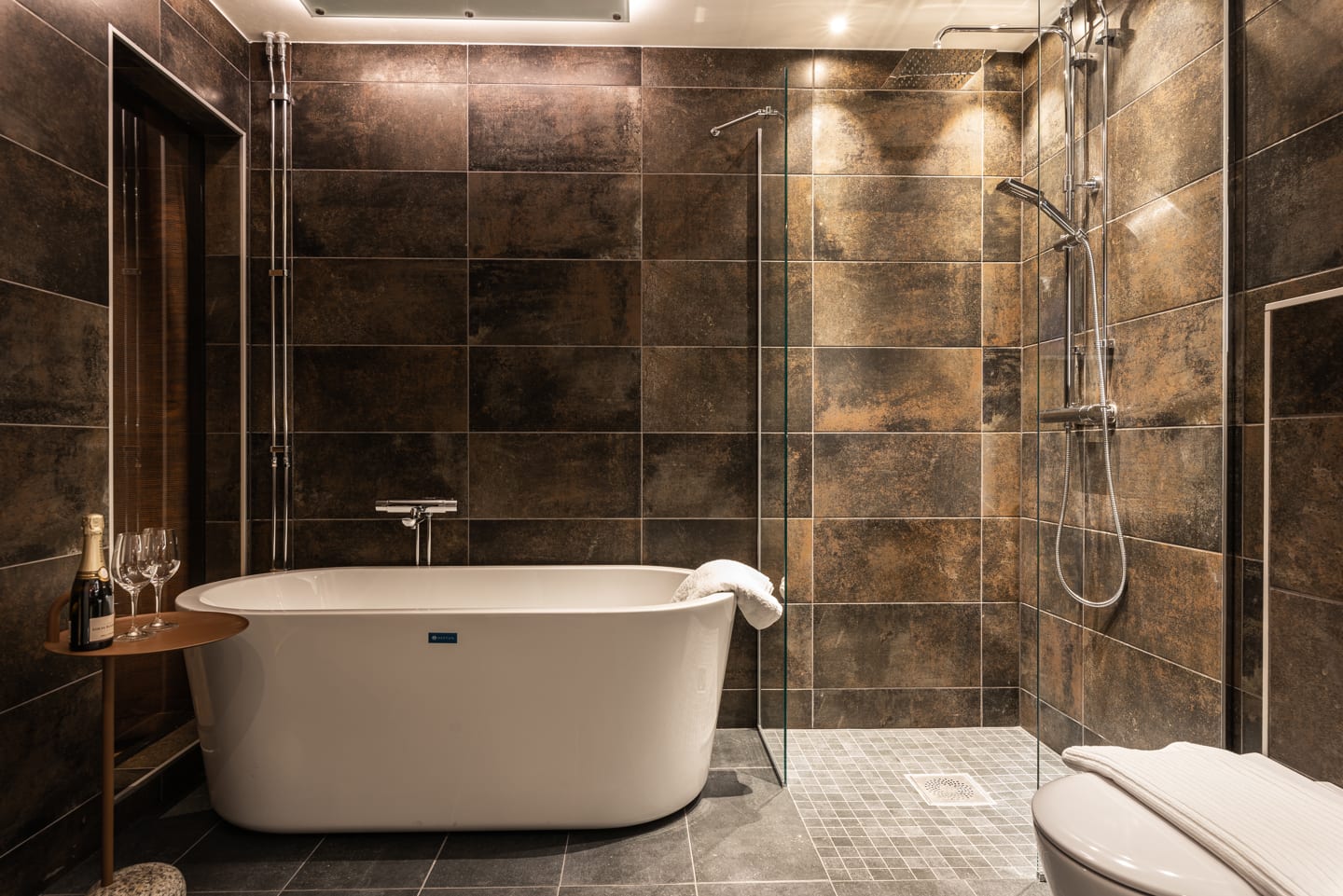
Many luxury hotels sell comfort. Arctic Bath sells something far rarer: perspective. The stay changes the way you look at things that have often become self-evident in everyday life. Light. Silence. Temperature. Seasons. Even time seems to work differently here. The long winter days and the endless summer evenings are a reminder of how much our lives are usually governed by clocks.
In the North, nature takes over that task. And that is exactly why a stay here feels so unusual. You do not travel to Lapland to be busy. You travel here to become attentive.
The best hotels tell a story about the place where they stand. Arctic Bath tells the story of the North. Of rivers and forests. Of light and darkness. Of people who have learned to live with nature rather than work against it. It is a hotel that does not place itself between guest and landscape, but connects the two. And perhaps that is exactly why you remember it long afterwards. Not for a particular room or extraordinary architecture, but for the feeling of having been, for a few days, part of a world that works by its own rules.