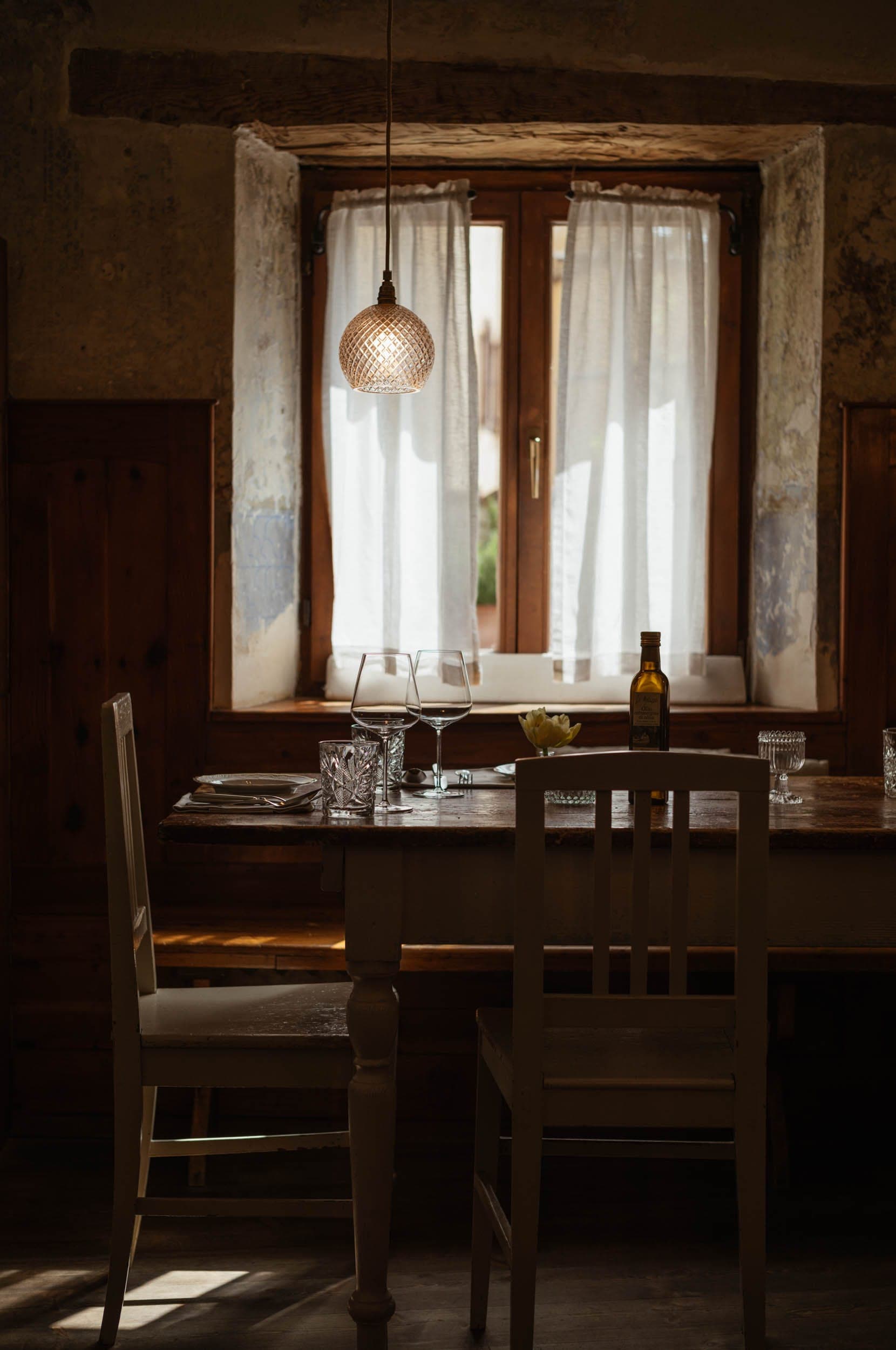
There are hotels where the restaurant is an amenity. And there are hotels where the restaurant is the real reason for the journey. The 1477 Reichhalter clearly belongs to the second category. In the very centre of Lana, just a few minutes' walk from the Schwarzschmied, stands a house whose history reaches back to the year 1477. Thick walls, low vaults and centuries-old wooden beams speak of a time long before anyone would have thought of turning it into a hotel.
Yet however impressive the history of the house may be, the real soul of the Reichhalter is not found in the rooms. It is found in the kitchen.
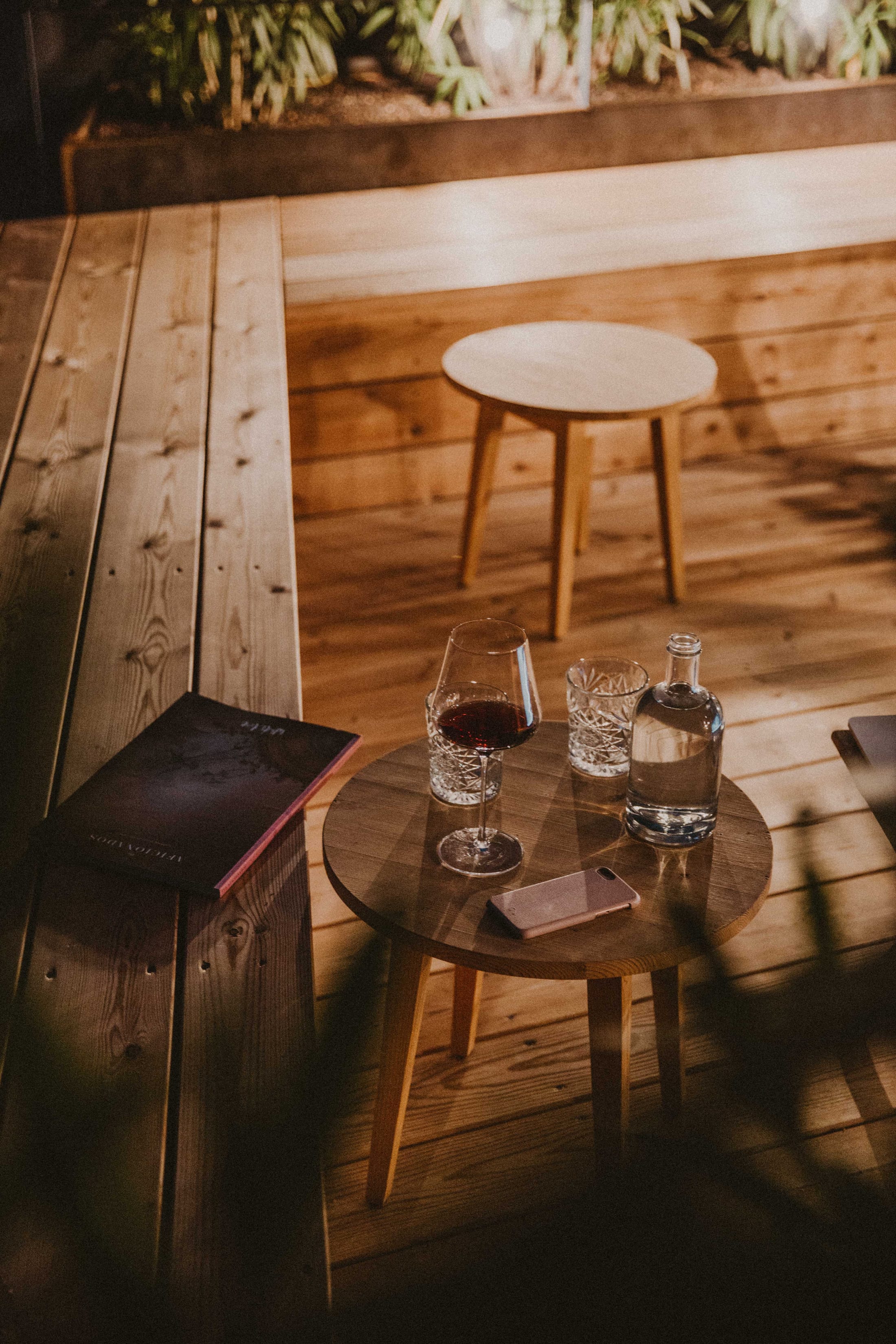
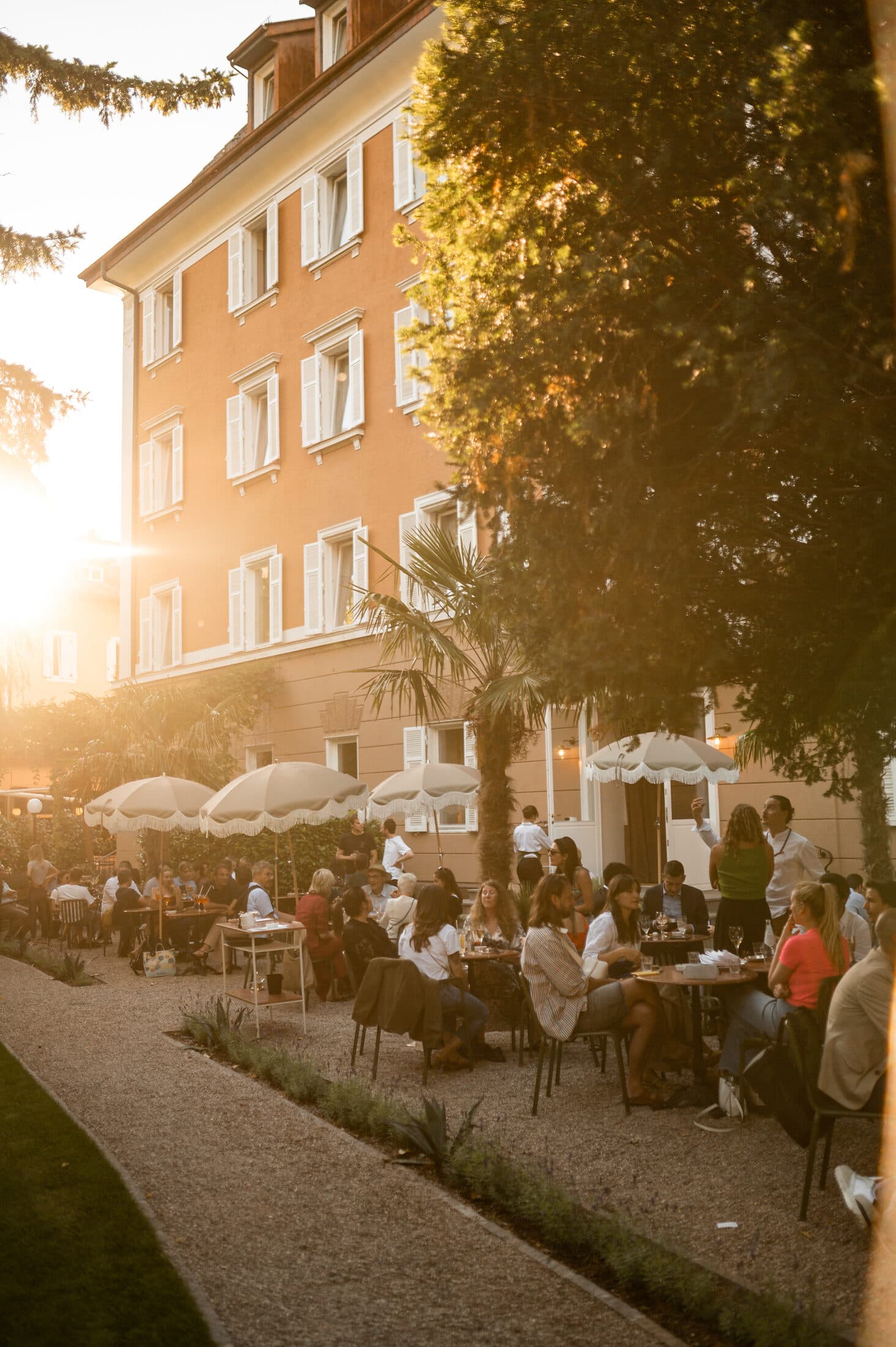
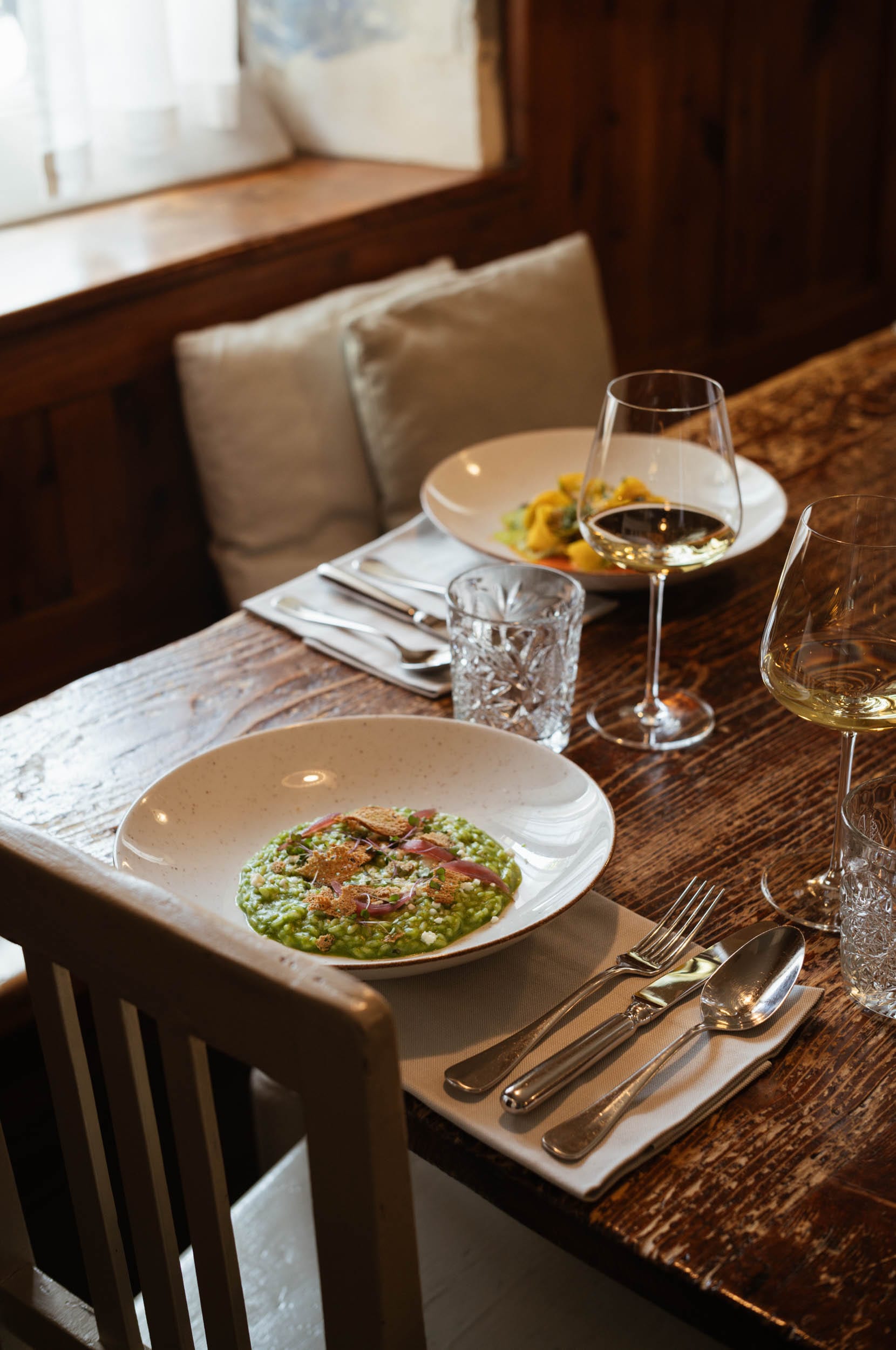
From the moment you arrive, it is clear that here food is not merely part of the stay. The café on the ground floor serves as a meeting point for guests, locals and regulars. In the morning the day begins with coffee and fresh pastries; at midday the tables fill with people from the village; and in the evening the room turns, almost imperceptibly, into one of the most exciting restaurants in South Tyrol.
The boundaries between hotel, restaurant and village life blur. That is exactly what makes the place so special. You never feel as if you are inside a sealed-off hotel world. Instead, you become part of everyday life in Lana.
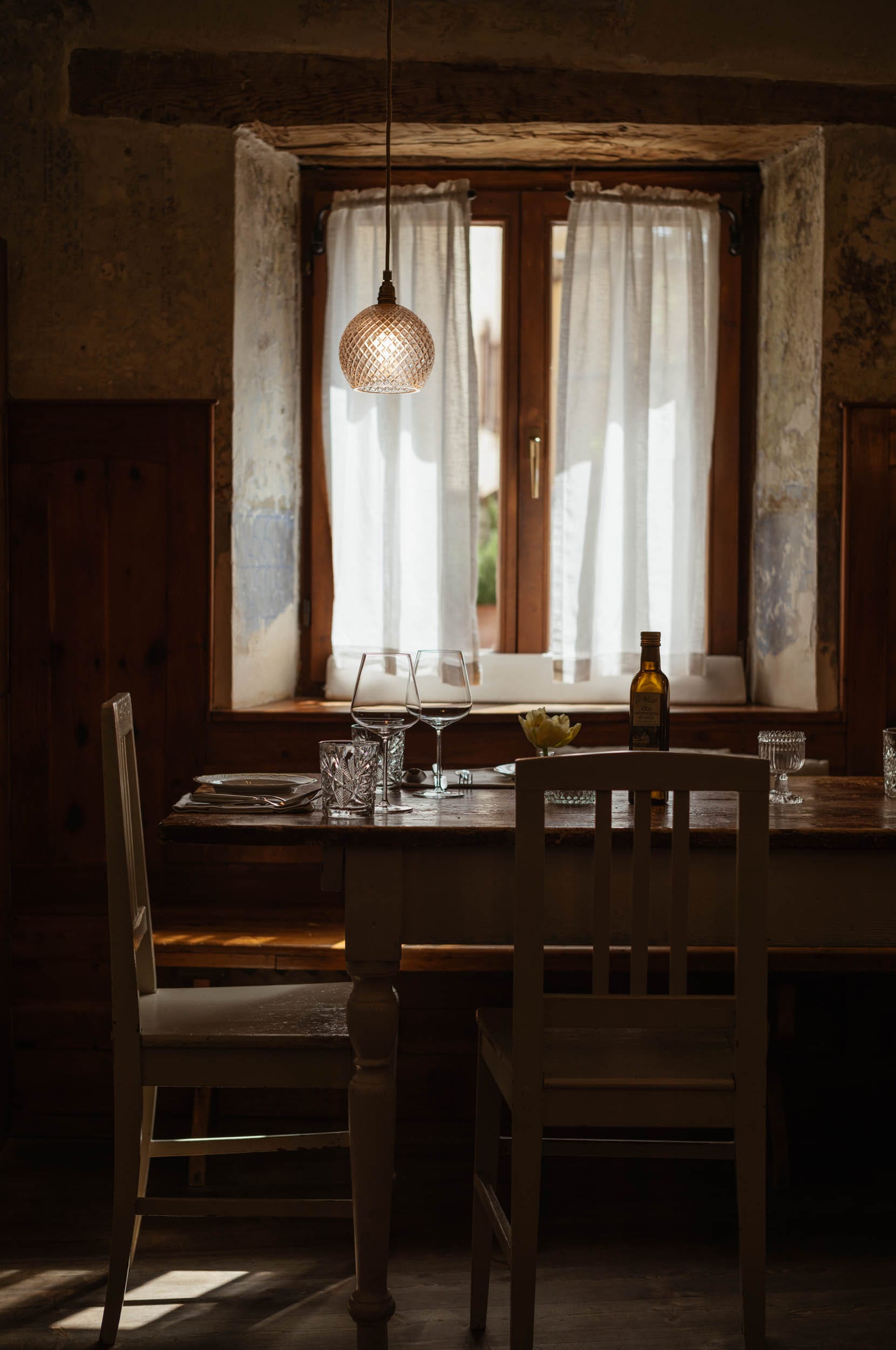
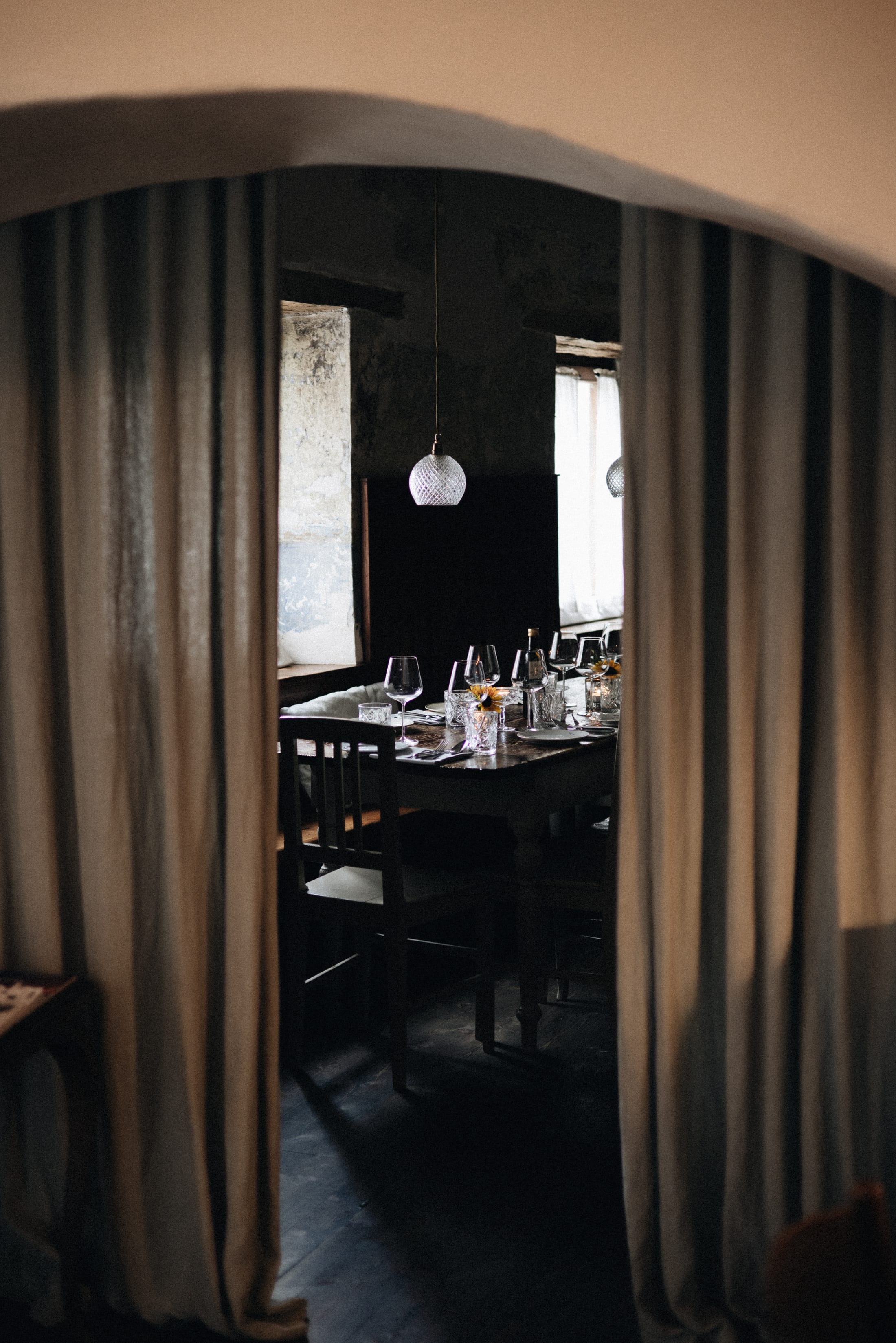
South Tyrol has for years been one of the most interesting culinary regions in Europe. The proximity to Austria shapes the traditions, Italy lends its lightness, and in between emerge dishes that exist only here. Dumplings meet pasta, alpine ingredients meet Mediterranean produce, regional recipes meet modern interpretations.
Many restaurants try to stage this mixture as spectacularly as possible. The Reichhalter takes a different approach. The cooking feels self-evident. Almost as if it had never had to think about which style happens to be in fashion.
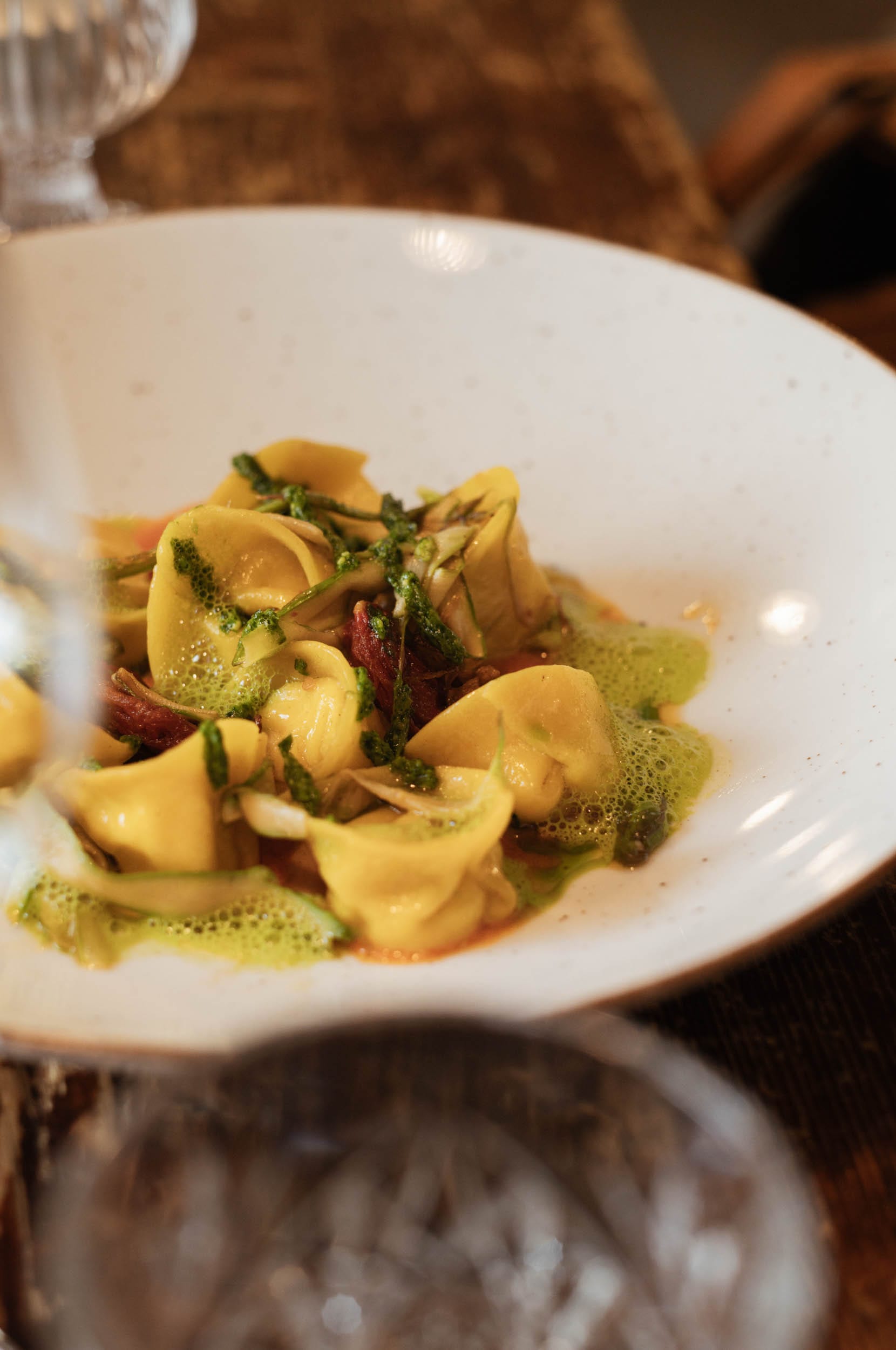
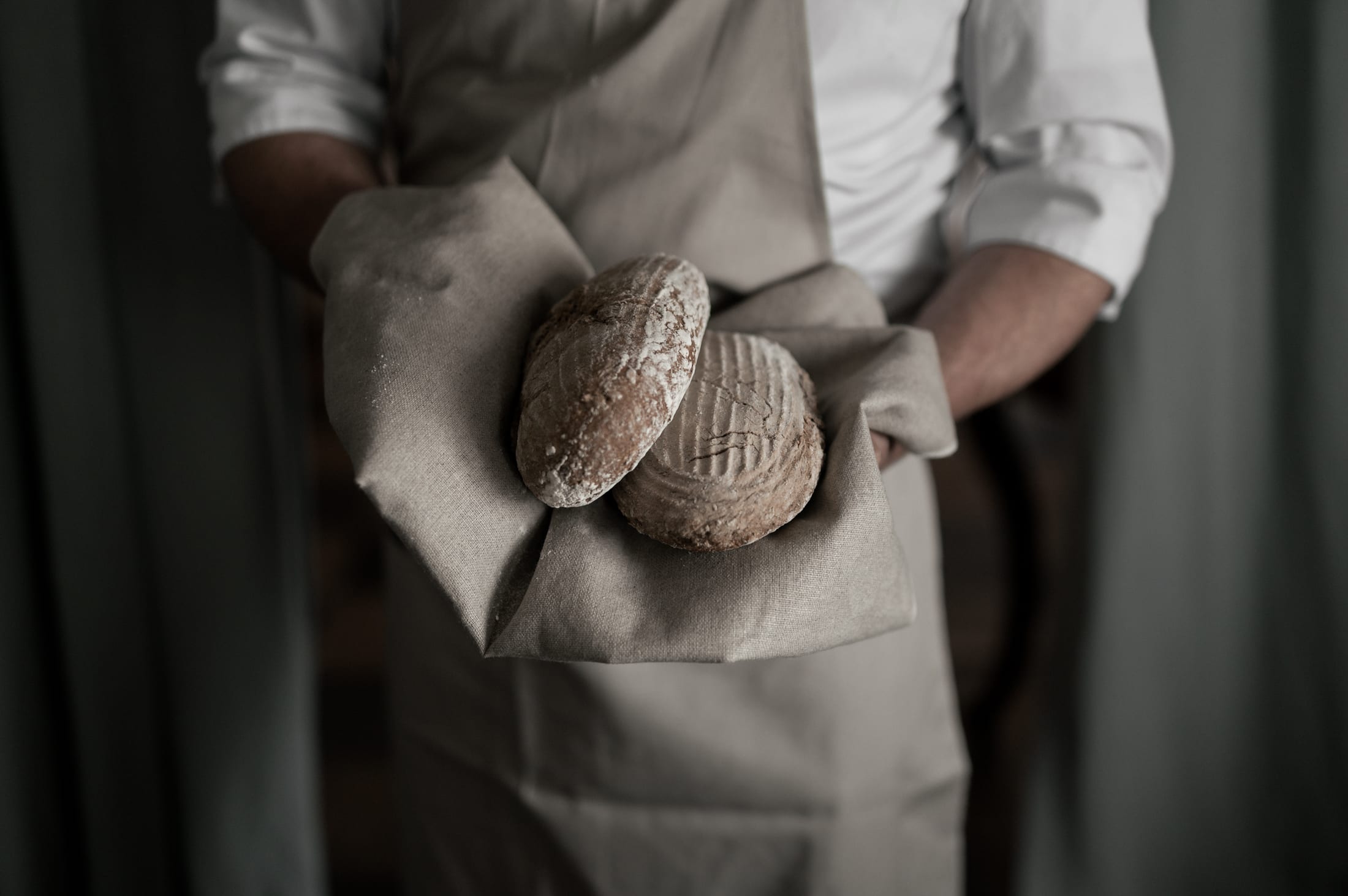
The menu follows what the region provides. Vegetables, herbs and fruit follow the seasons. Producers from the surrounding area play just as important a role as traditional South Tyrolean recipes.
The result is a cuisine that feels neither nostalgic nor fashionable. It feels timeless. Just like the house itself.
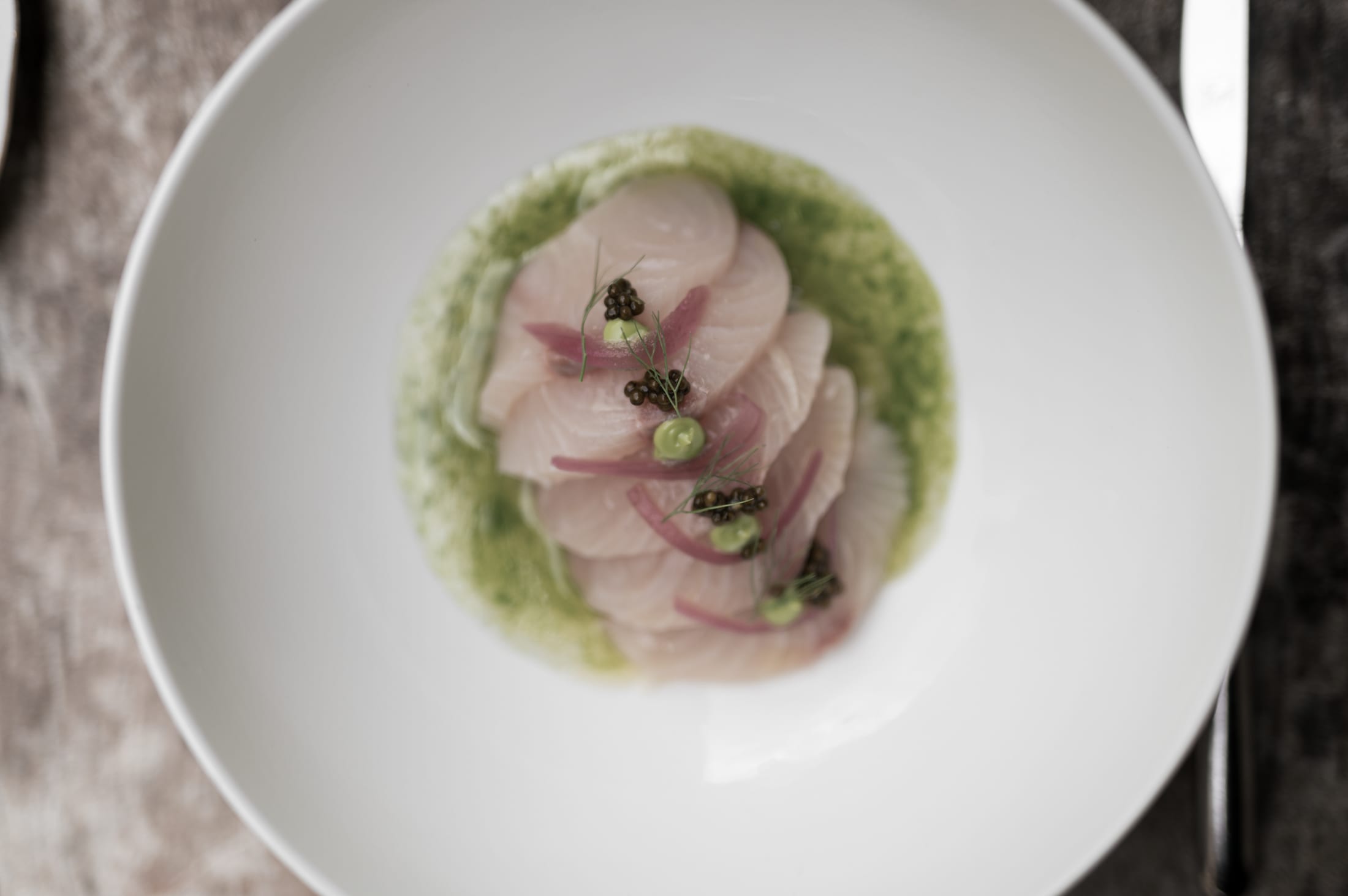
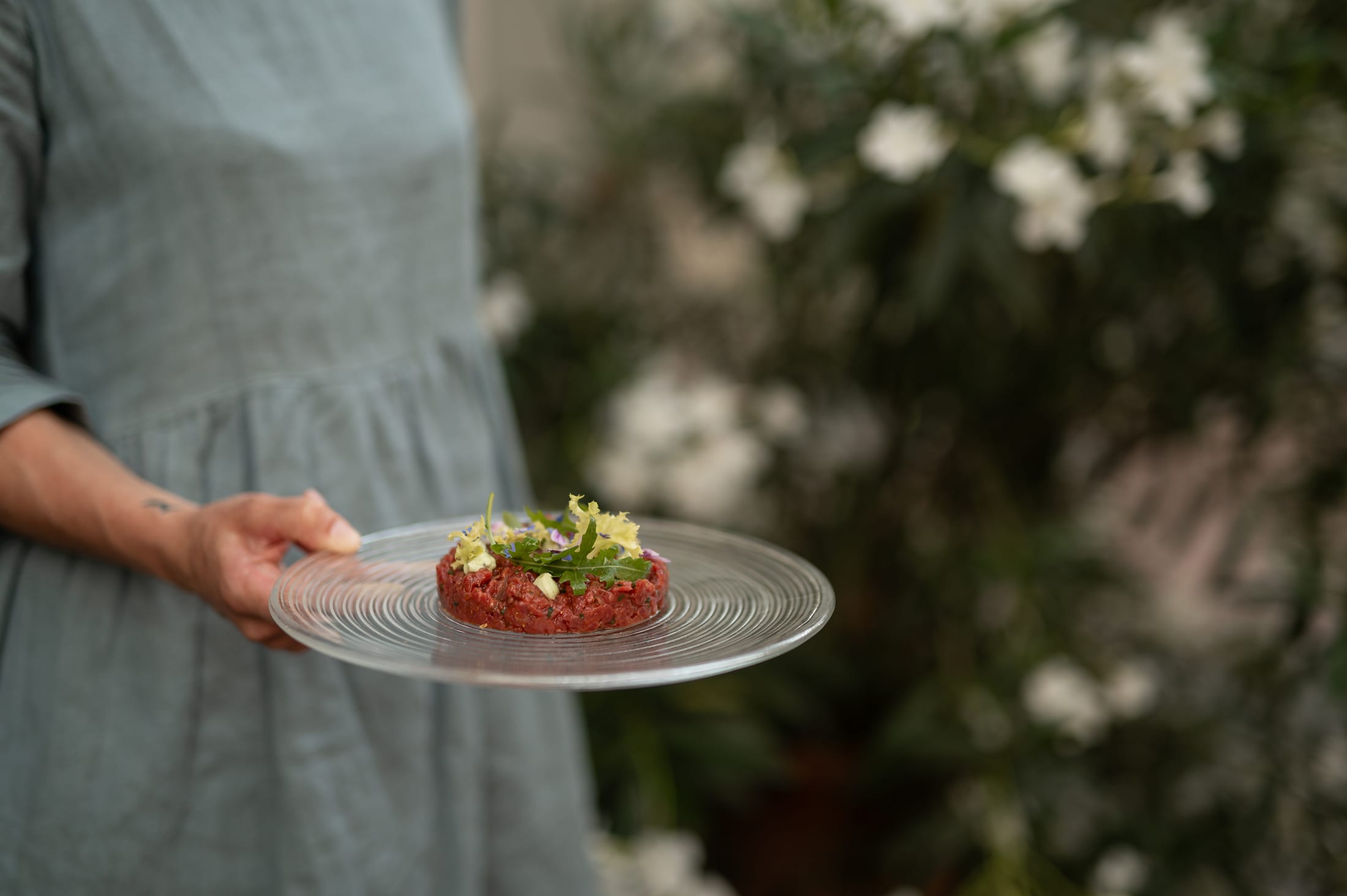
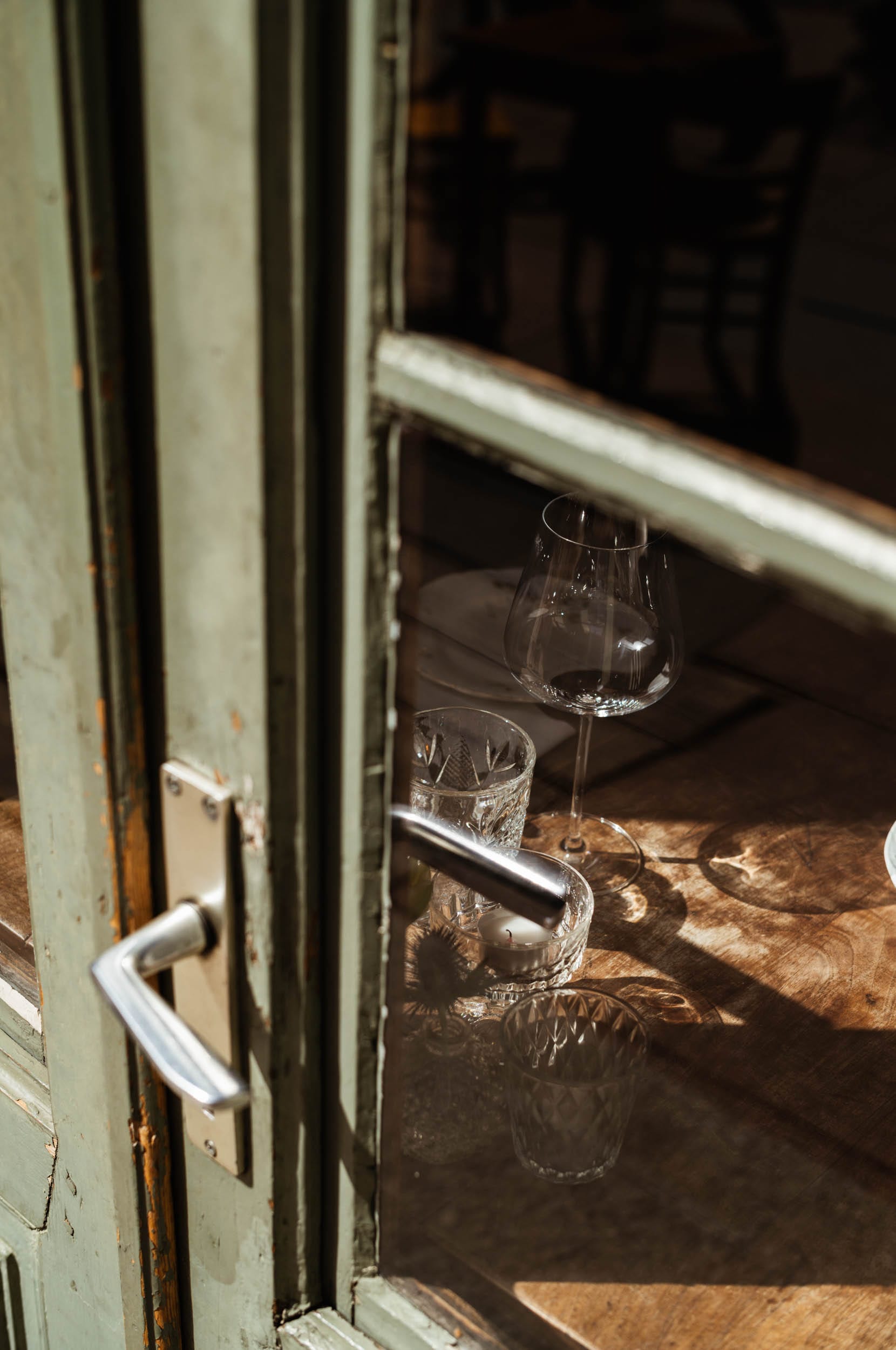
Perhaps the greatest strength of the Reichhalter lies in the fact that food is never considered in isolation here. The kitchen always tells you something about Lana and its surroundings, too. About the vineyards that encircle the village. About the orchards that have shaped the landscape for generations. About the producers who grow or make their products just a few kilometres away.
Each plate thereby becomes a small map of the region. Not intrusive. Not didactic. Simply self-evident.
Anyone who spends a few days in Lana quickly notices how closely cuisine and a way of life are bound together here. Lunch often lasts longer than planned. A glass of wine becomes a bottle. Conversations unfold without a glance at the clock.
The Reichhalter does not merely understand this culture; it lives it. The kitchen is not a place of efficiency. It is a place of encounter.
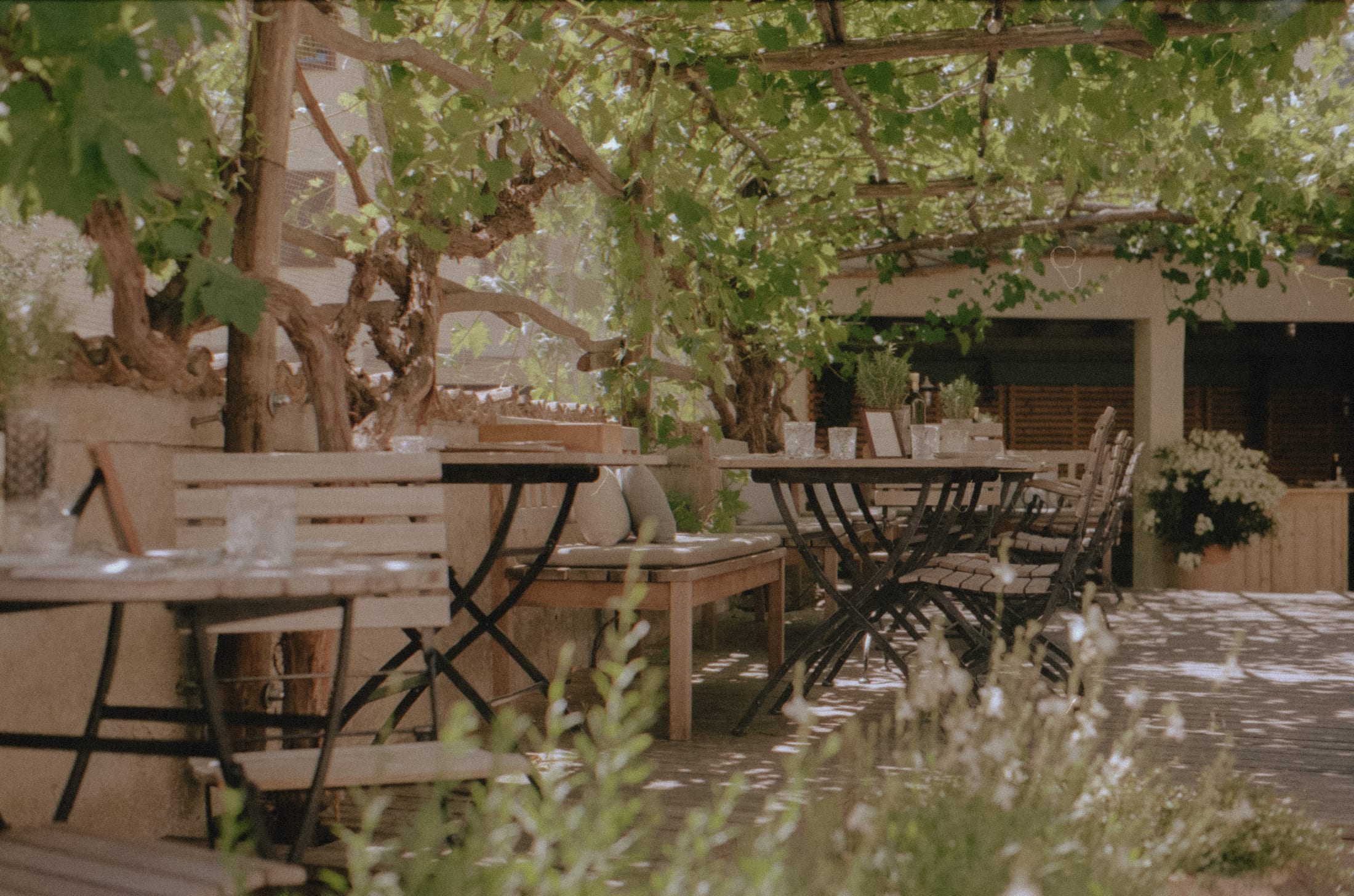
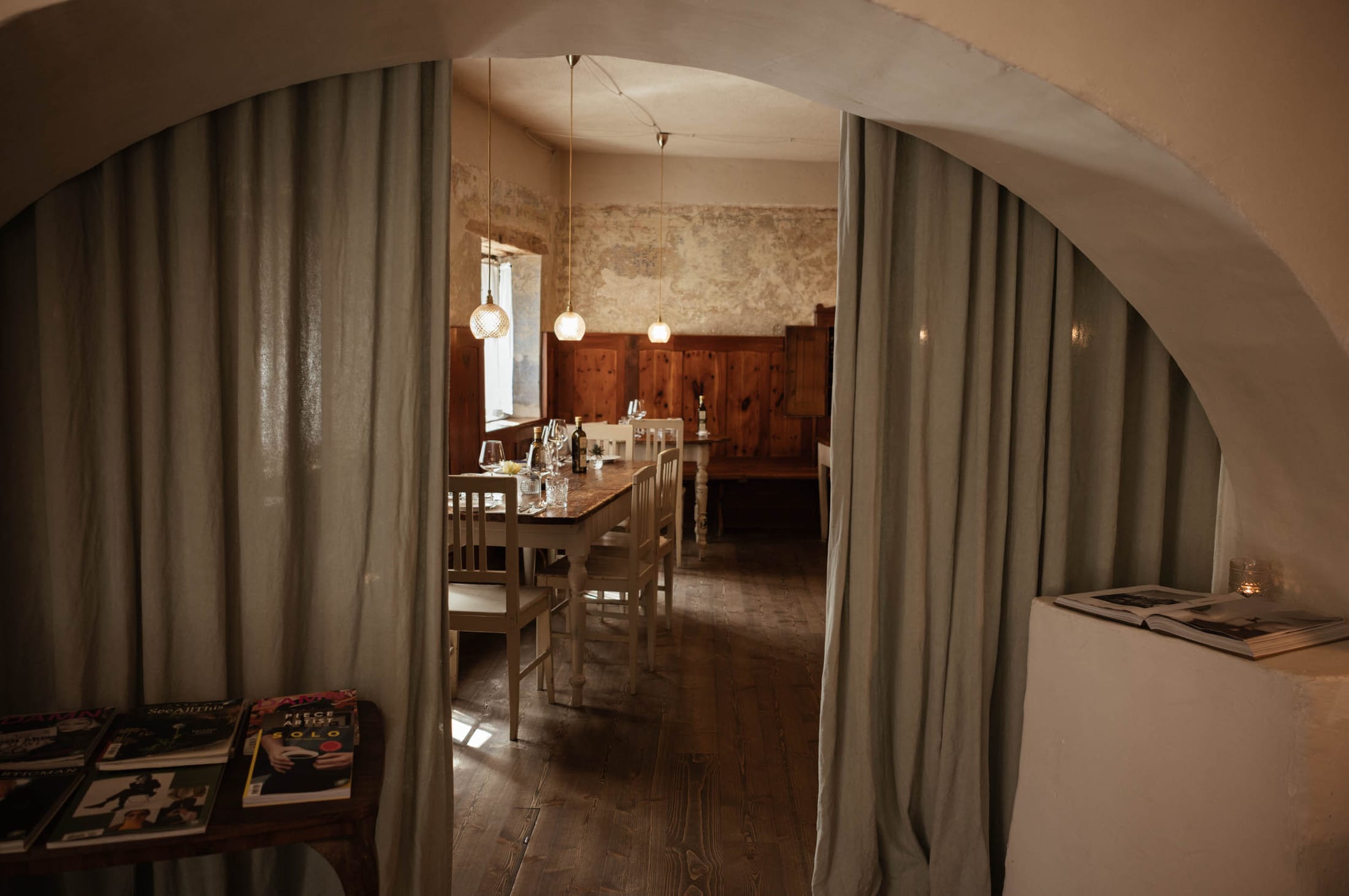
In the evening this becomes especially clear. While outside calm slowly settles over the village, the tables fill up. Hotel guests sit beside locals. Travellers beside regulars.
There arises the kind of atmosphere that cannot be designed — the kind that only appears where people genuinely enjoy coming together.
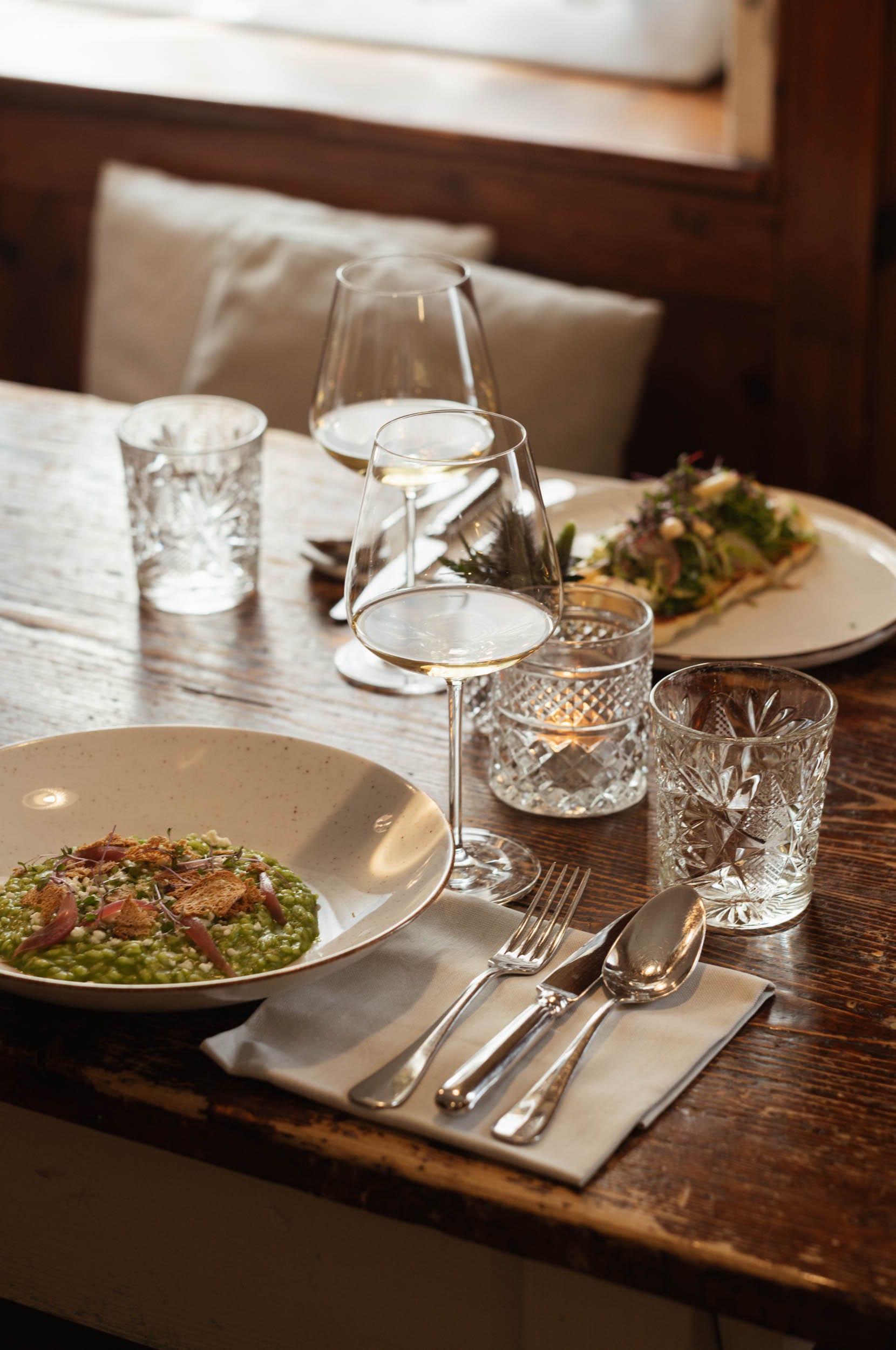
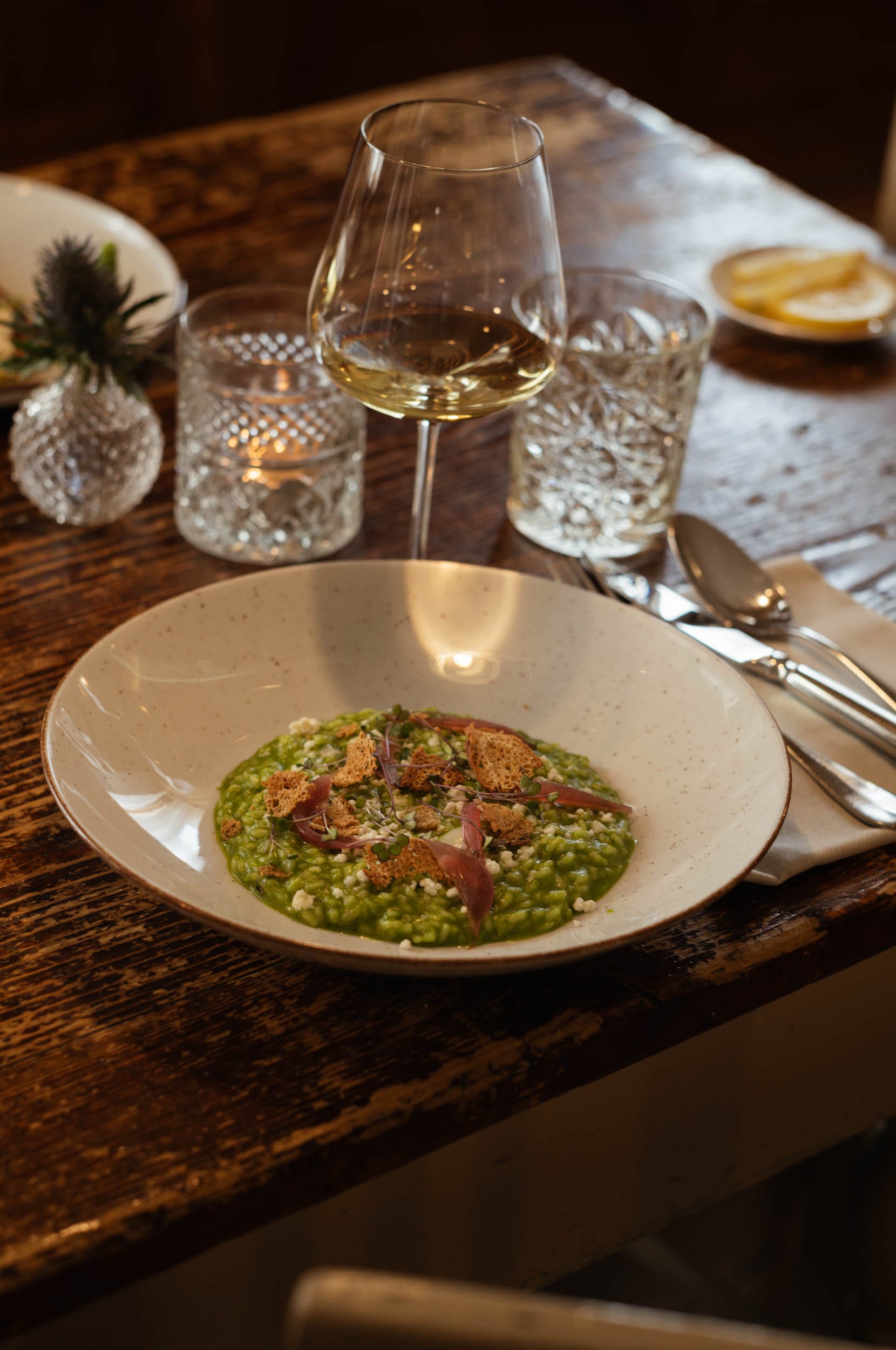
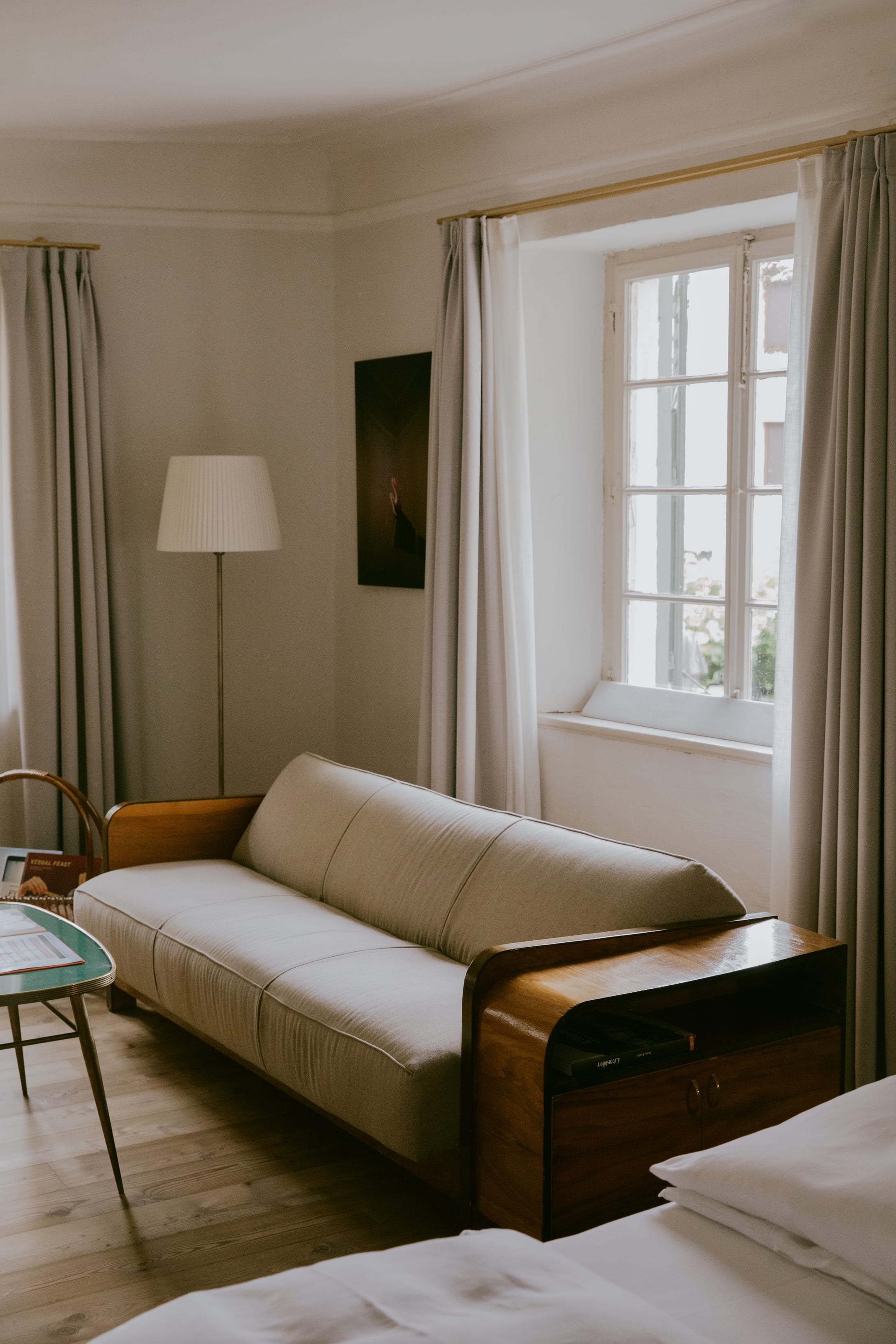
Of course the Reichhalter also has eight beautiful rooms. Of course it is worth staying longer than just one evening. But unlike many hotels, the story of this house does not begin with the rooms. It begins at the table. With a breakfast that lasts longer than planned. With lunch on the terrace. With a dinner that stretches late into the night.
Perhaps that is exactly why the Reichhalter stays in your memory for so long. It is not a hotel with a good restaurant. It is a restaurant with a few extraordinary rooms above it. And therein lies its particular charm.
The best culinary hotels do not only tell you something about food. They tell you something about the place where they stand. About the people who live there. About the landscape that surrounds them. The 1477 Reichhalter does exactly that. Plate by plate, glass by glass, and evening by evening.
.jpg&w=3840&q=90)