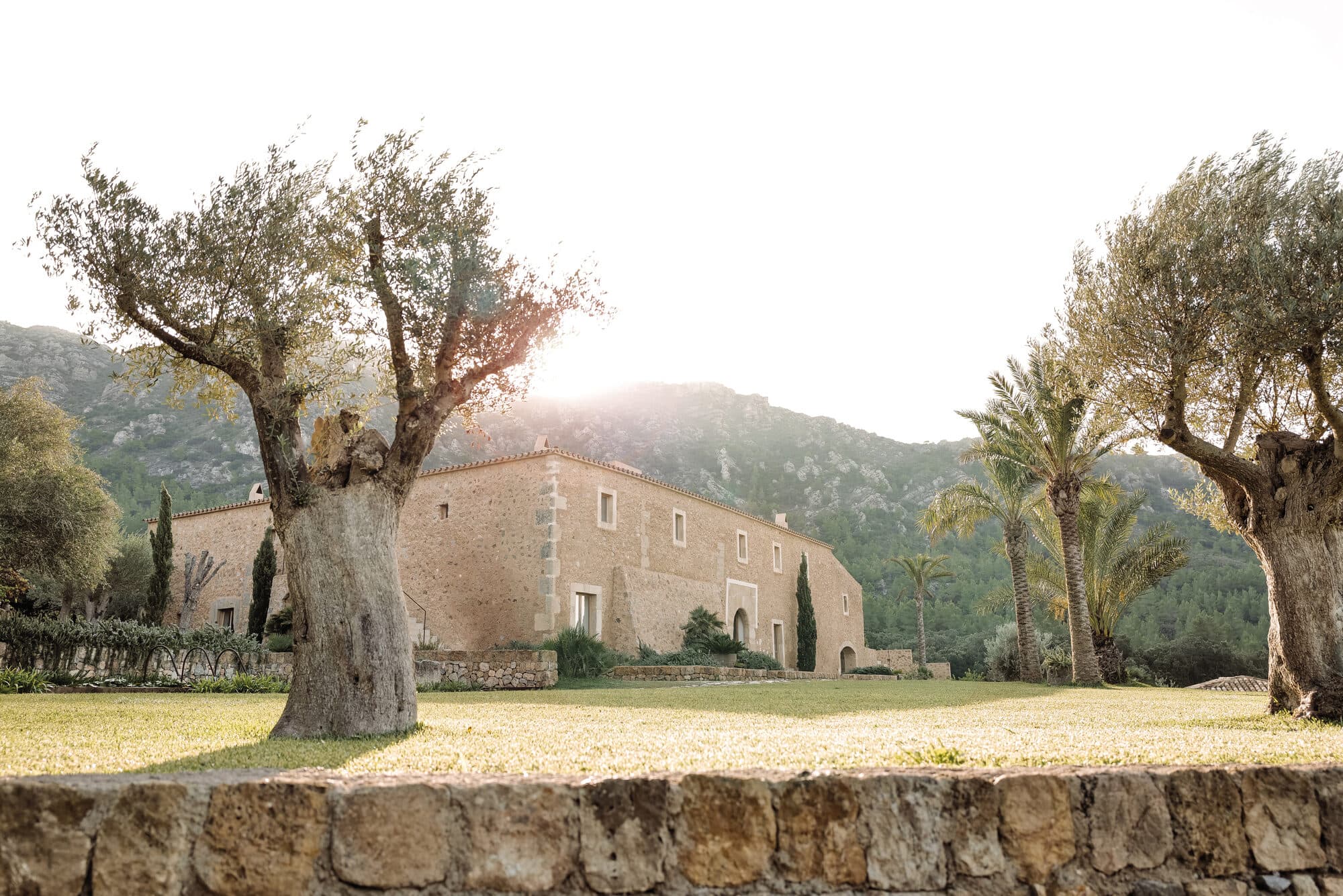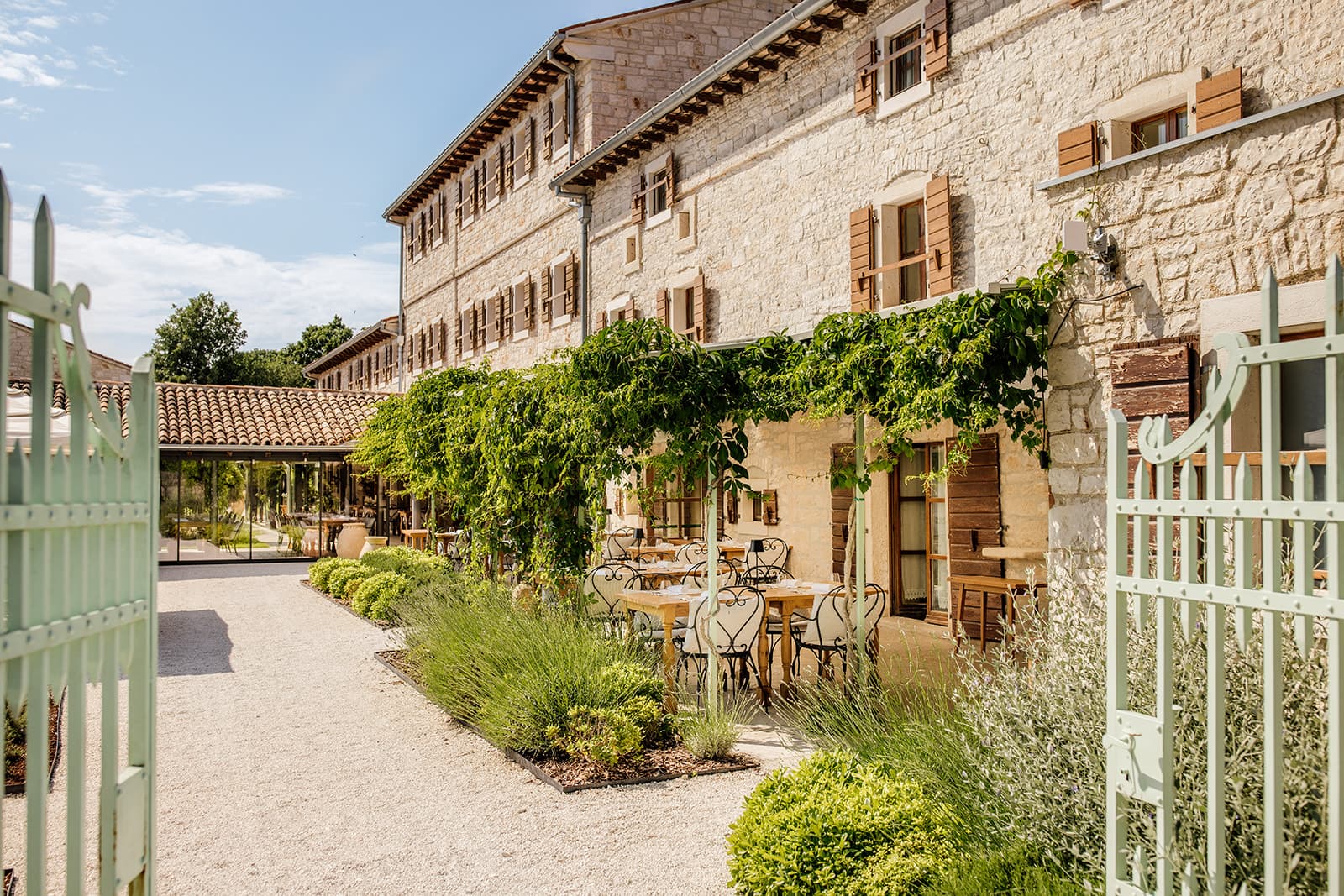
There is a moment that happens in almost every great small hotel. Usually on the second day. The receptionist remembers your name. The waiter knows what you ordered yesterday. Someone asks about your hike and actually waits for the answer. Nothing extraordinary has happened. And yet something feels different. You're no longer checking into a hotel. You're becoming part of a place. In an industry increasingly defined by scale, consistency and expansion, small hotels continue to offer something surprisingly rare: Personality.
Chesa Marchetta
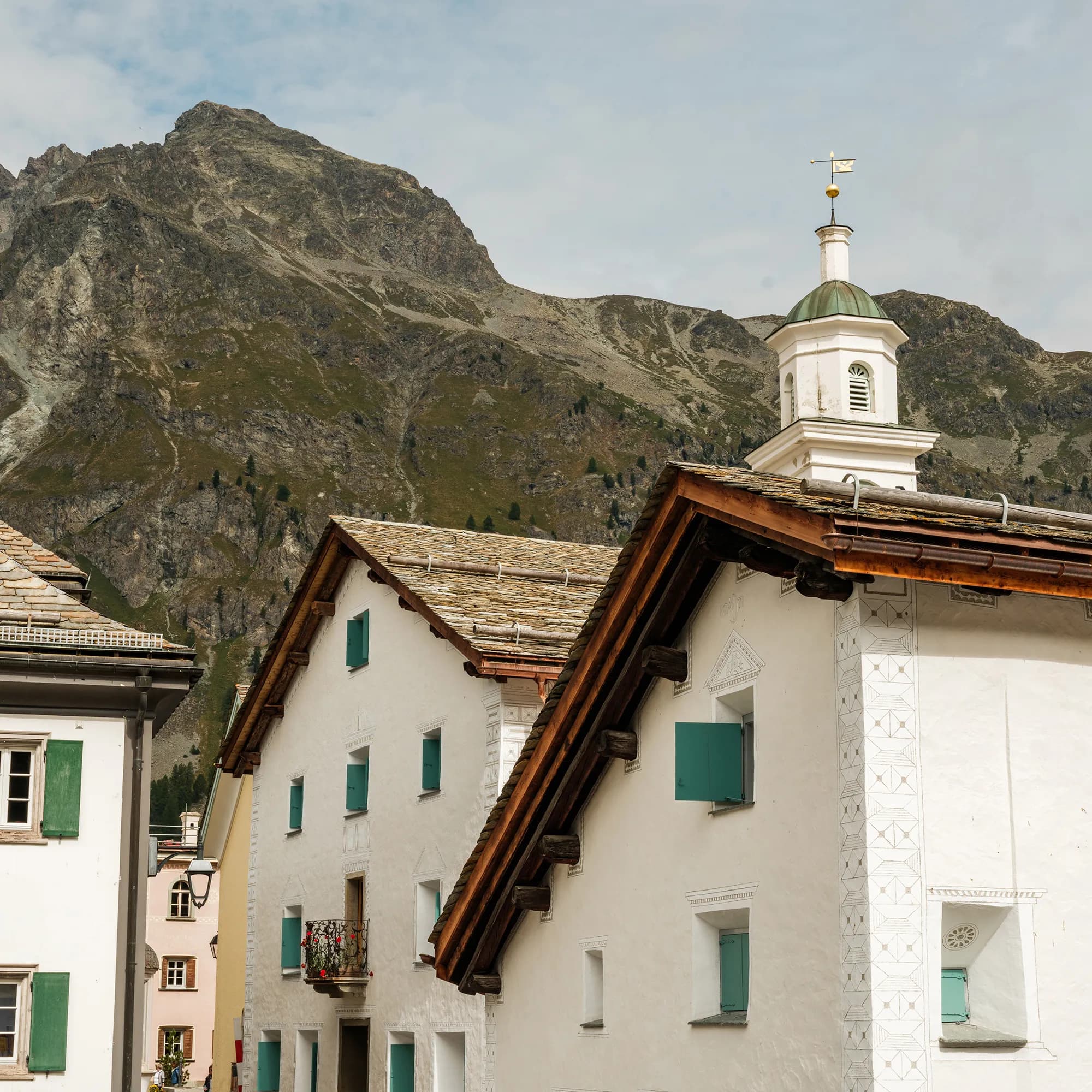
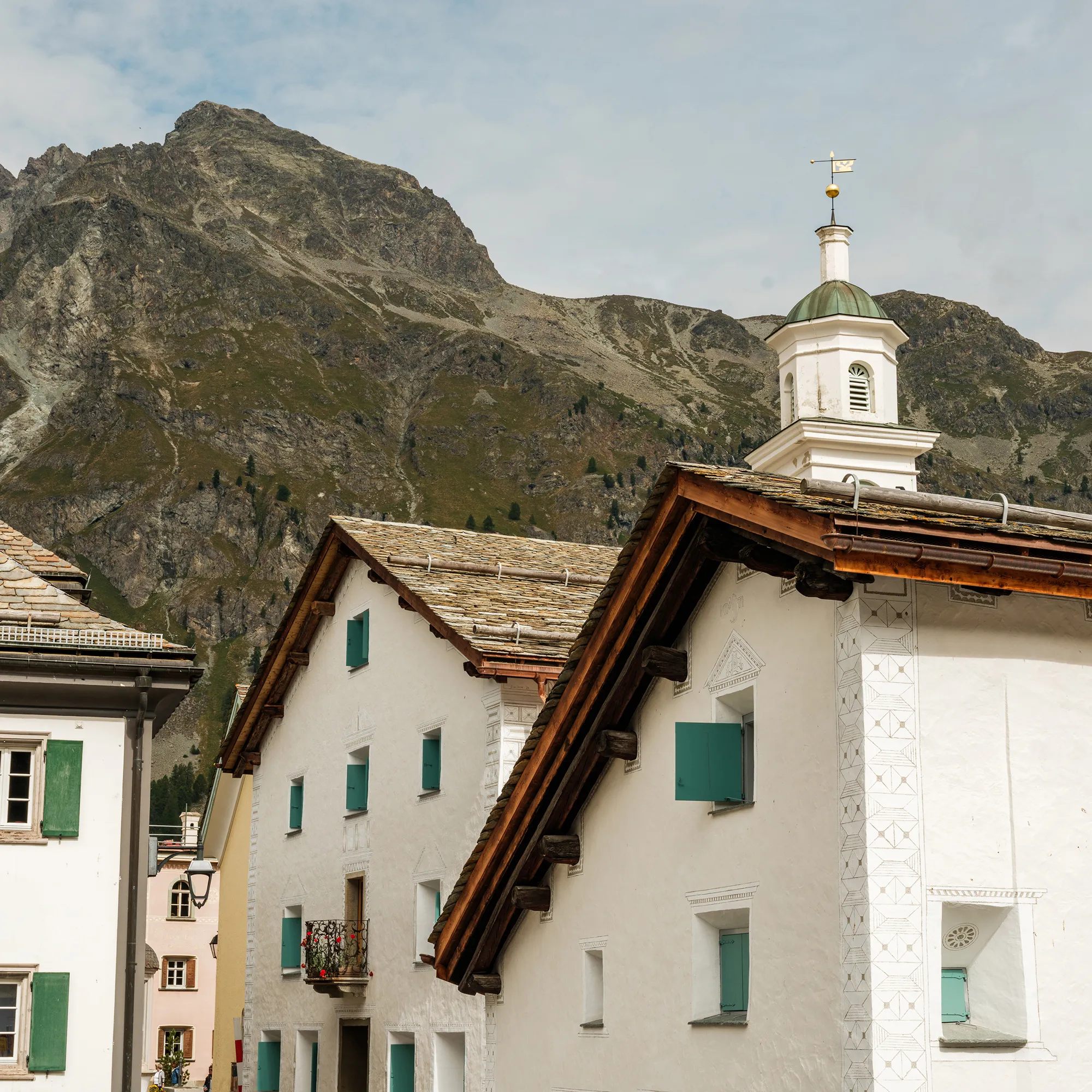
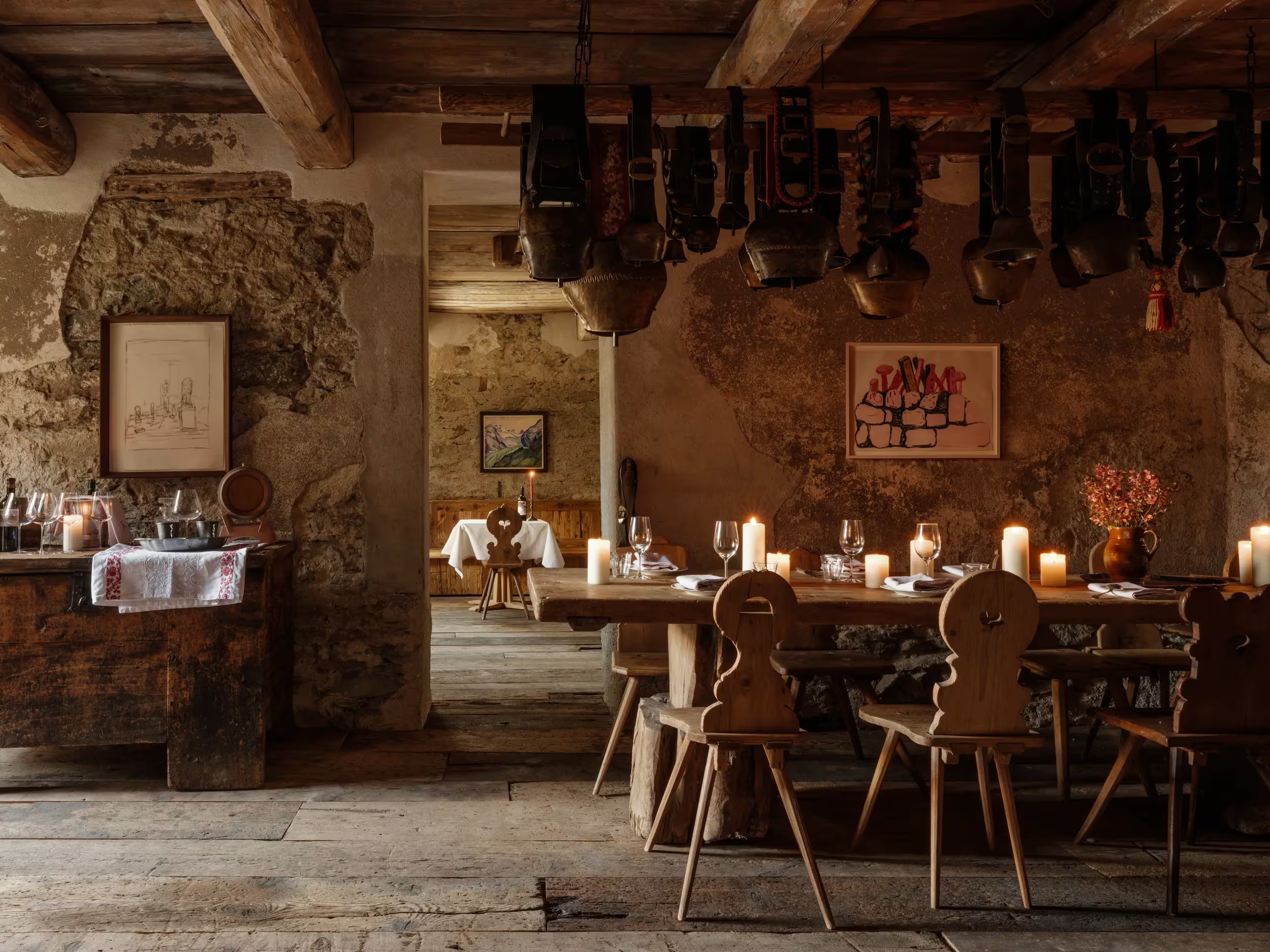
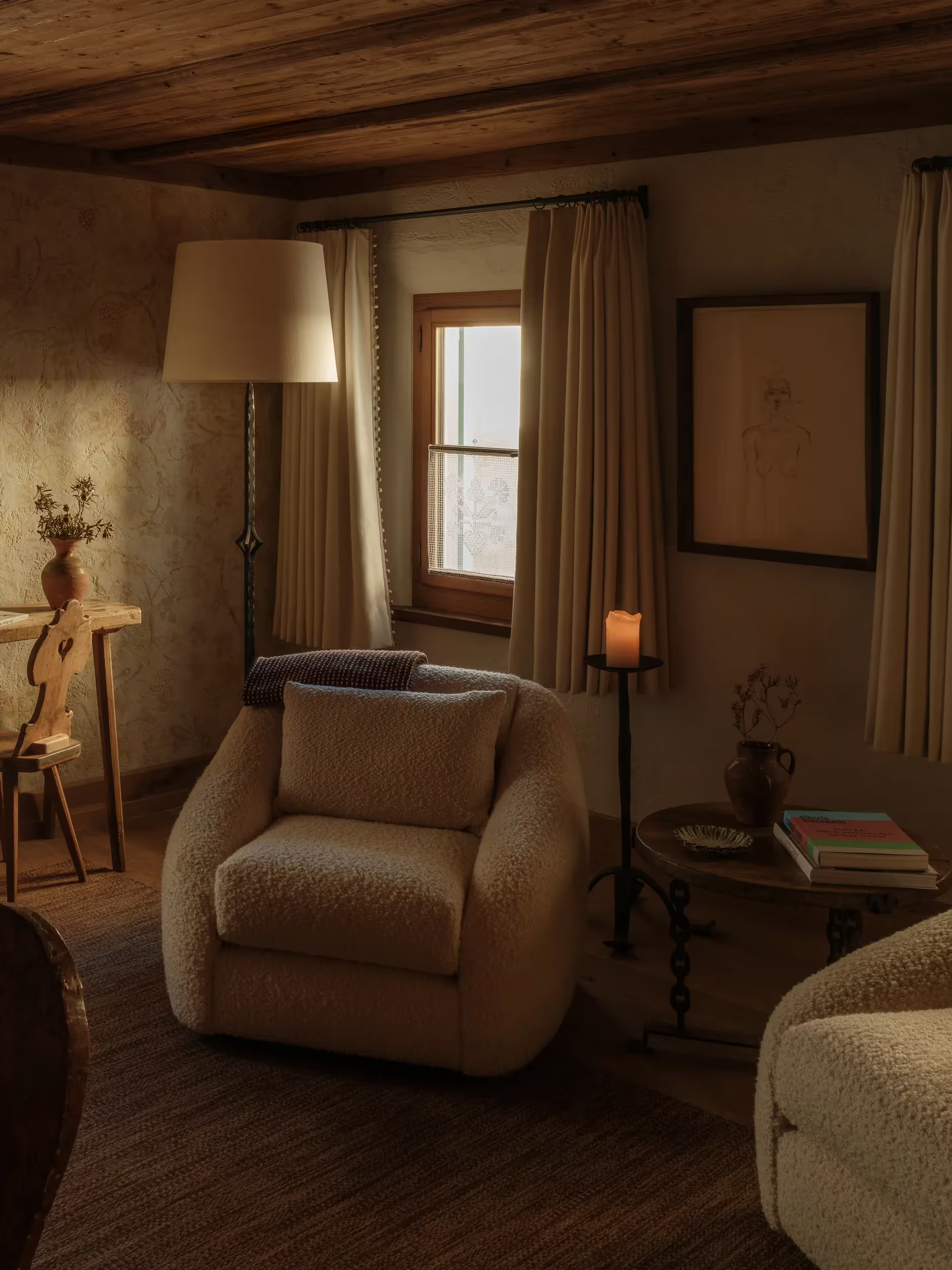
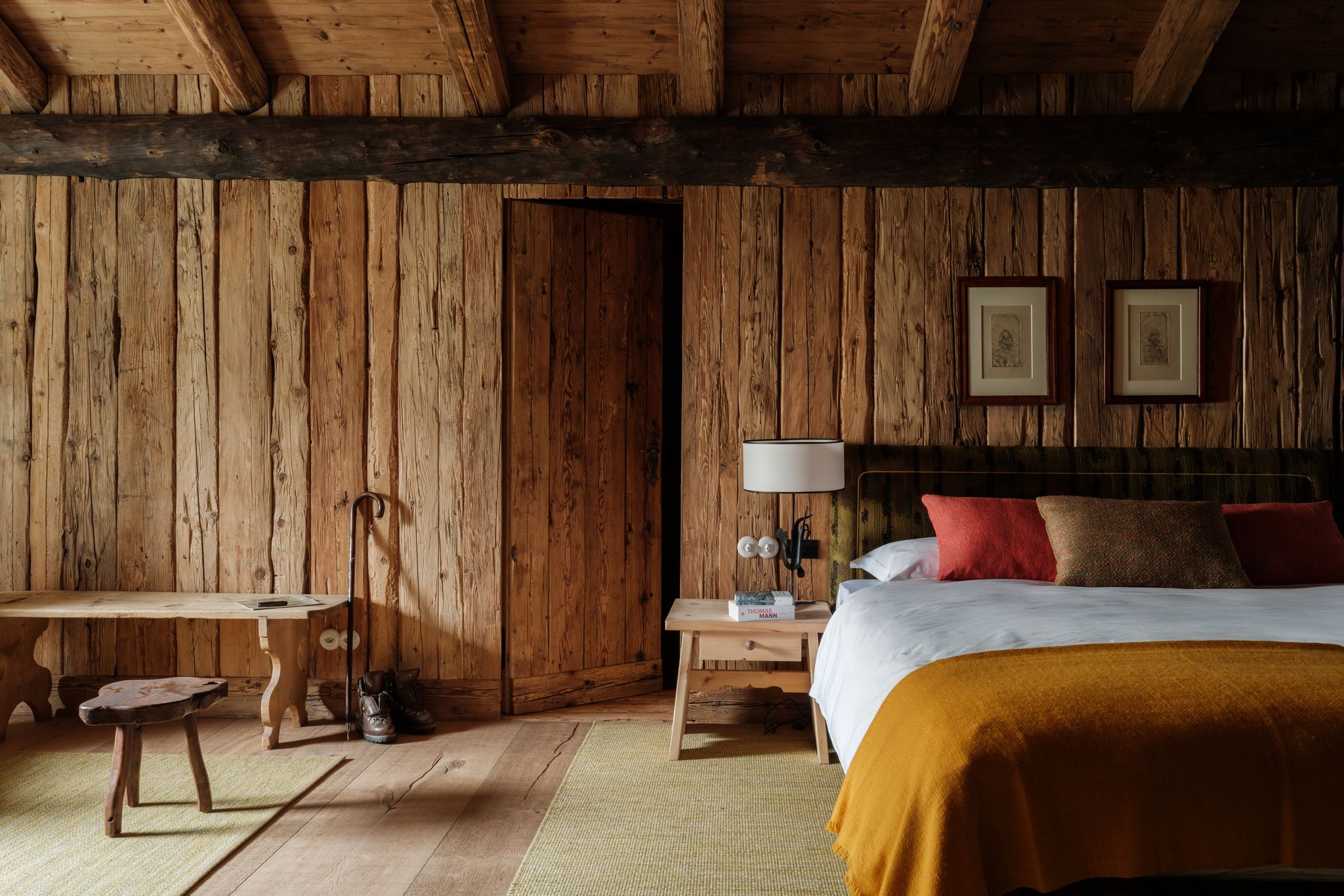
Some hotels tell you exactly where you are. Others could be almost anywhere. The difference often has little to do with architecture and everything to do with scale. At Chesa Marchetta, a former 17th-century Engadine residence transformed into a small guesthouse, the building still feels connected to the village around it. The thick stone walls, wooden interiors and intimate atmosphere tell a story that couldn't exist anywhere else.
The experience feels personal because the place itself is personal. Nothing has been standardised. Nothing feels replicated. The hotel remains a reflection of its surroundings rather than a brand applied to them.
The Brecon
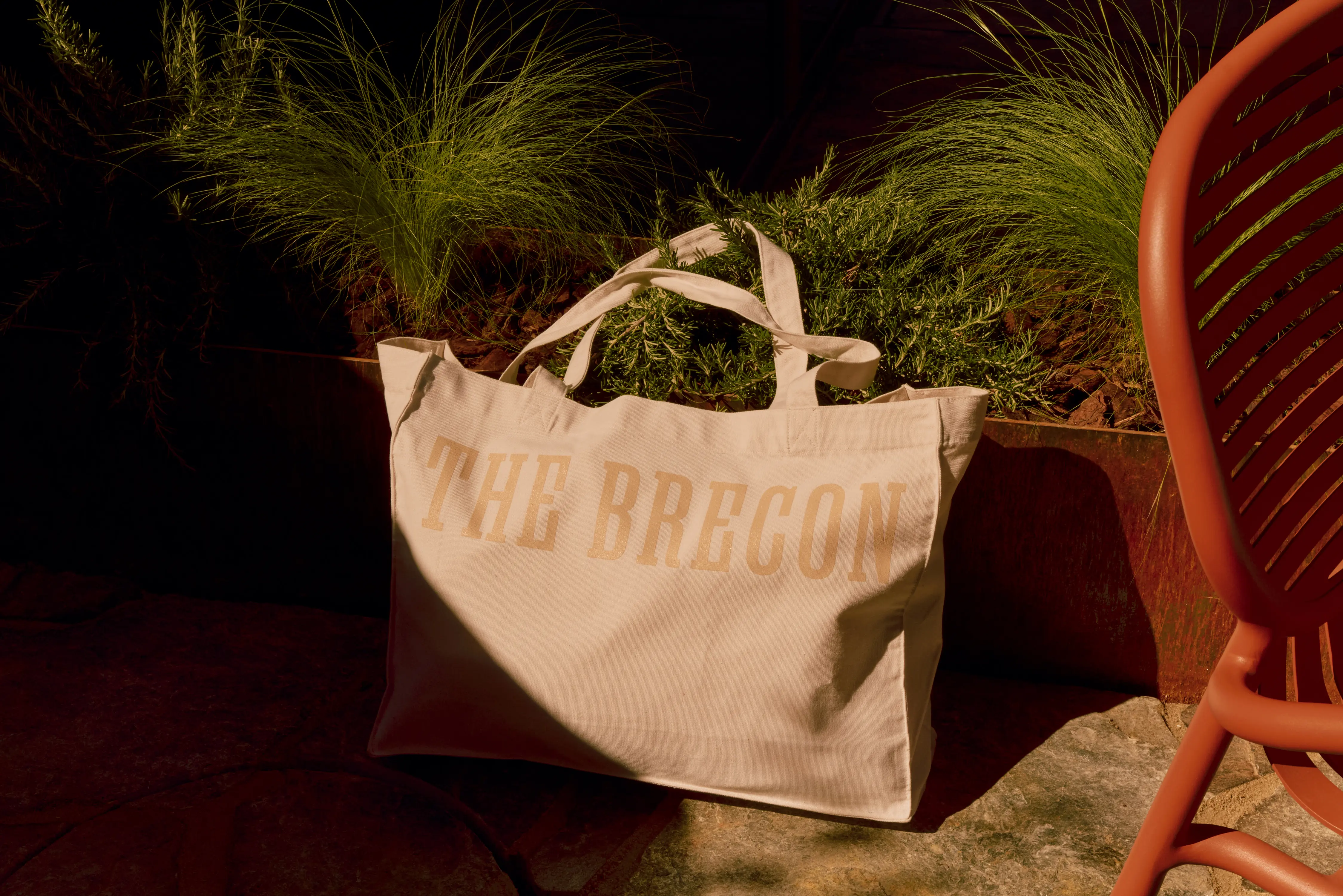
Several hundred kilometres away in the Swiss Alps, The Brecon approaches hospitality from a completely different angle, yet somehow arrives at a similar result. There is an ease to the place. Nothing competes for attention. The mountains do enough of that already. Guests spend mornings reading by the fire, afternoons walking through the landscape and evenings lingering over dinner. The hotel understands that luxury isn't necessarily about adding more. Sometimes it's about removing distractions.
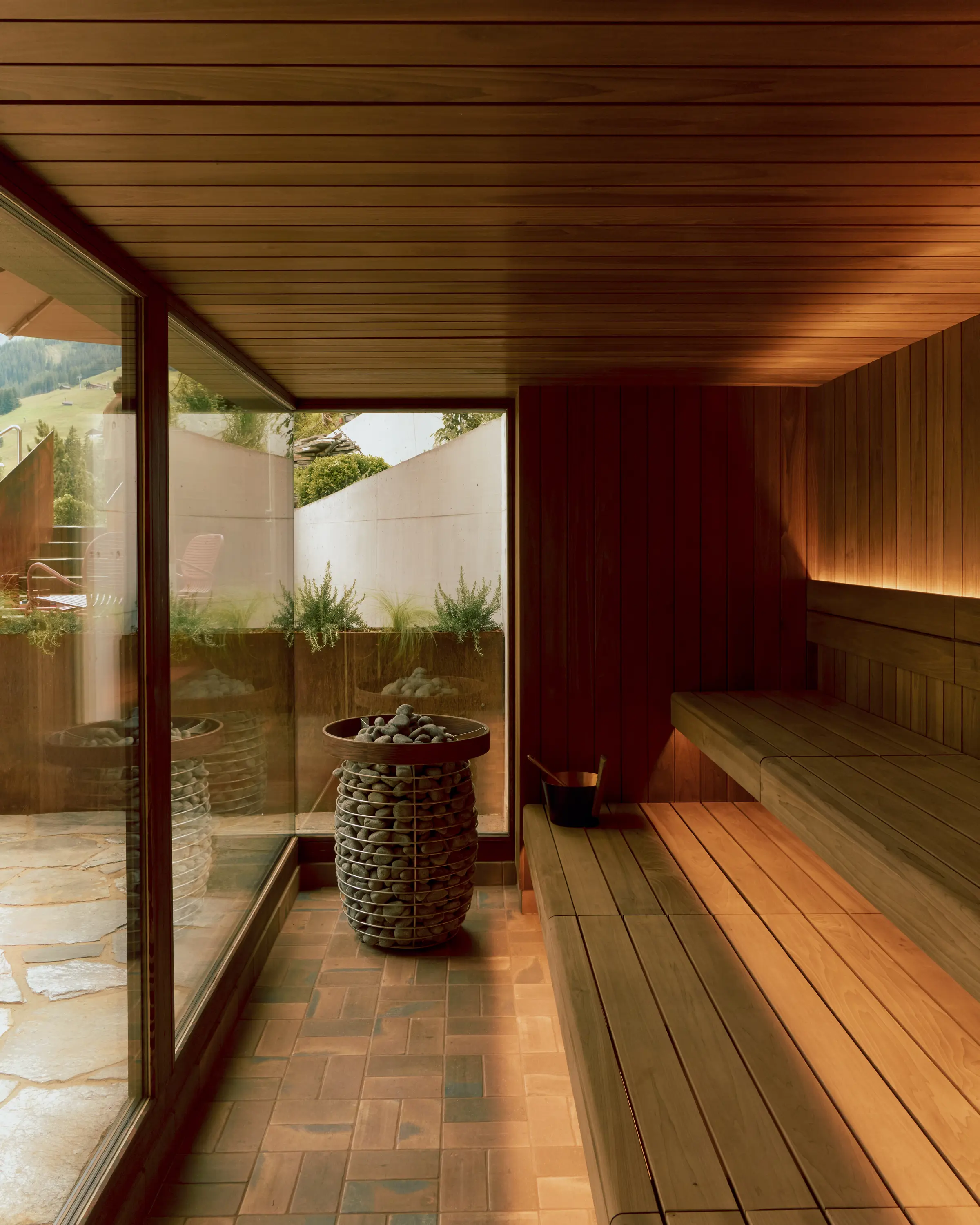
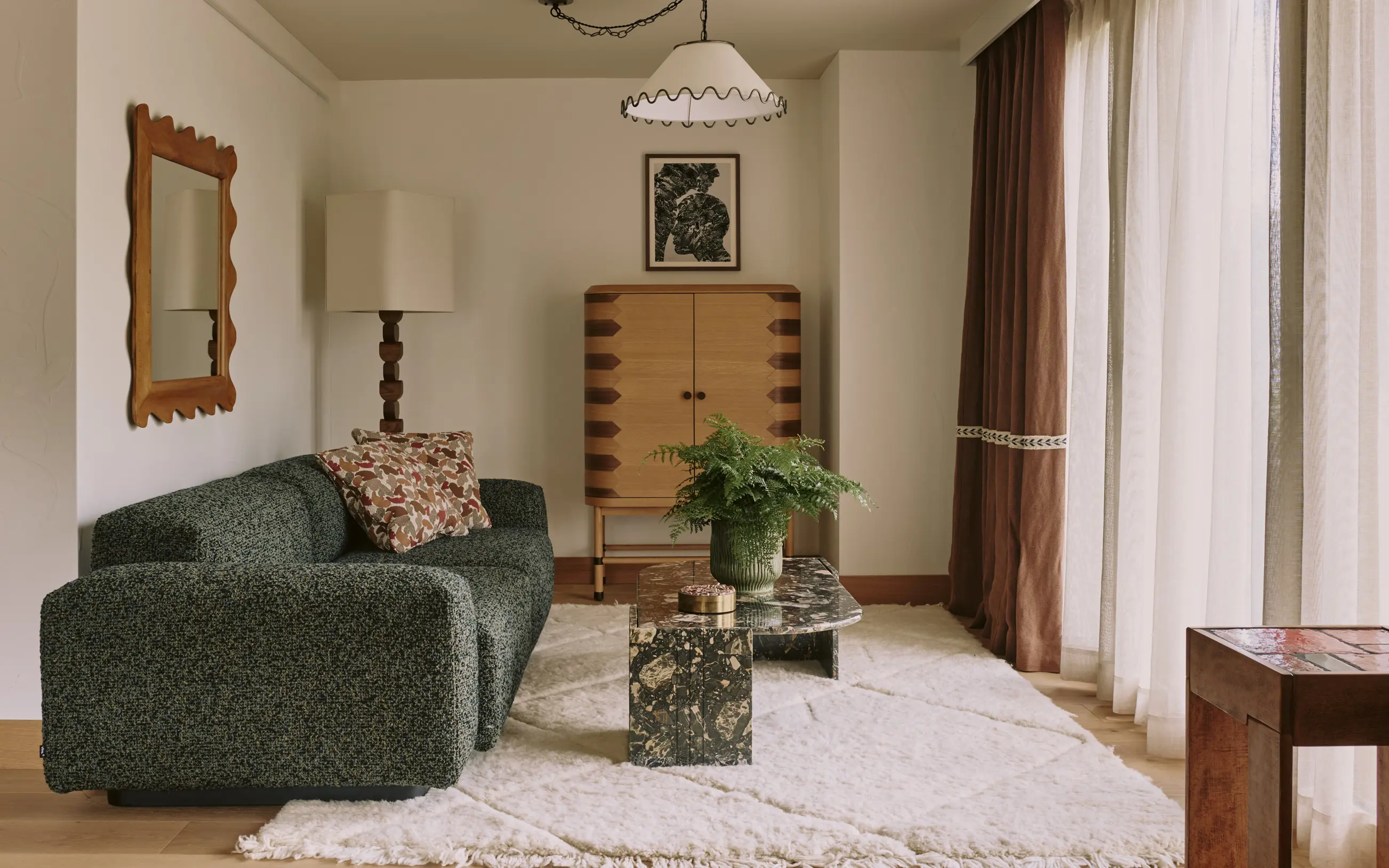
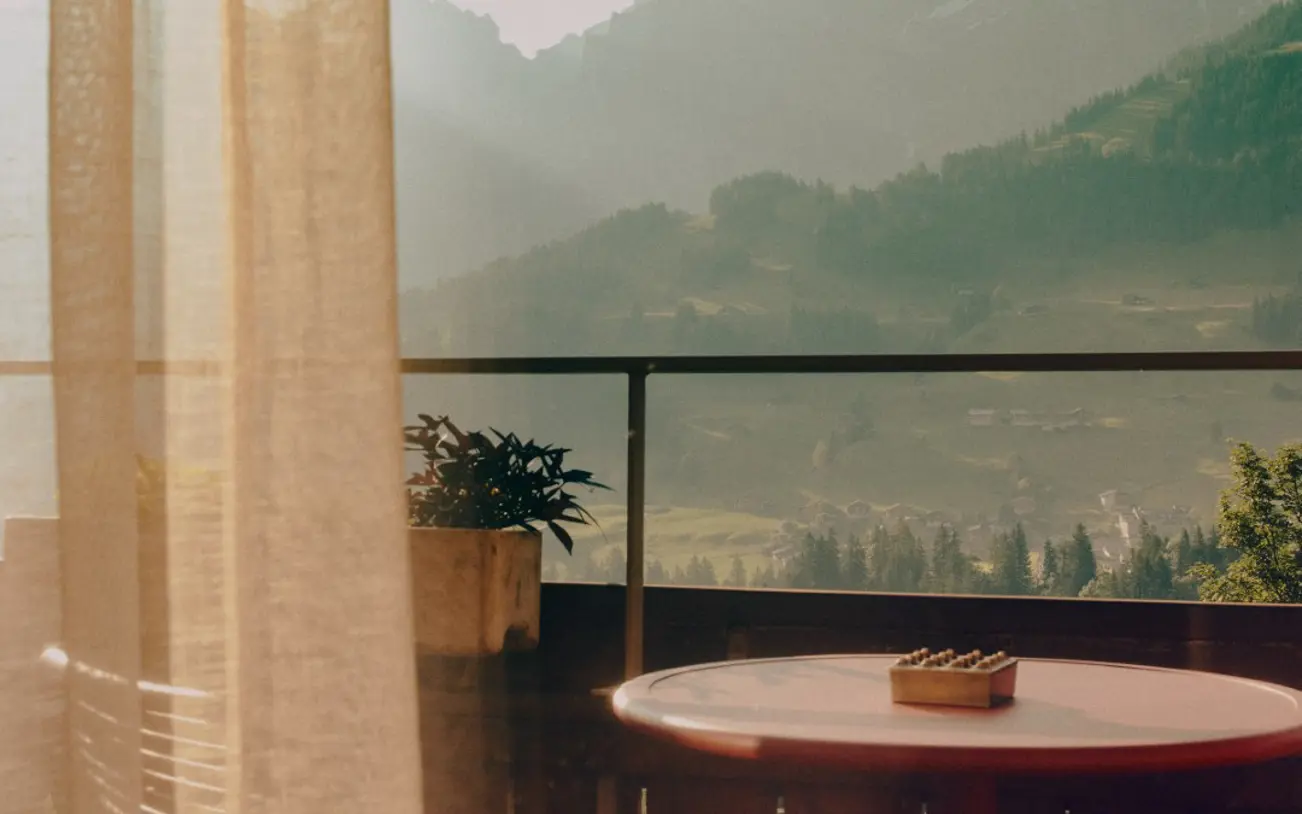
The Brecon in Switzerland offers a completely different aesthetic but a similar feeling. The hotel doesn't compete for attention. It doesn't need to. Instead, it creates space. Space to read. Space to talk. Space to sit by a window and watch the weather move across the mountains. Many large hotels focus on providing more. More restaurants. More facilities. More entertainment. Smaller hotels often succeed by offering less. And doing it exceptionally well.
1477 Reichhalter
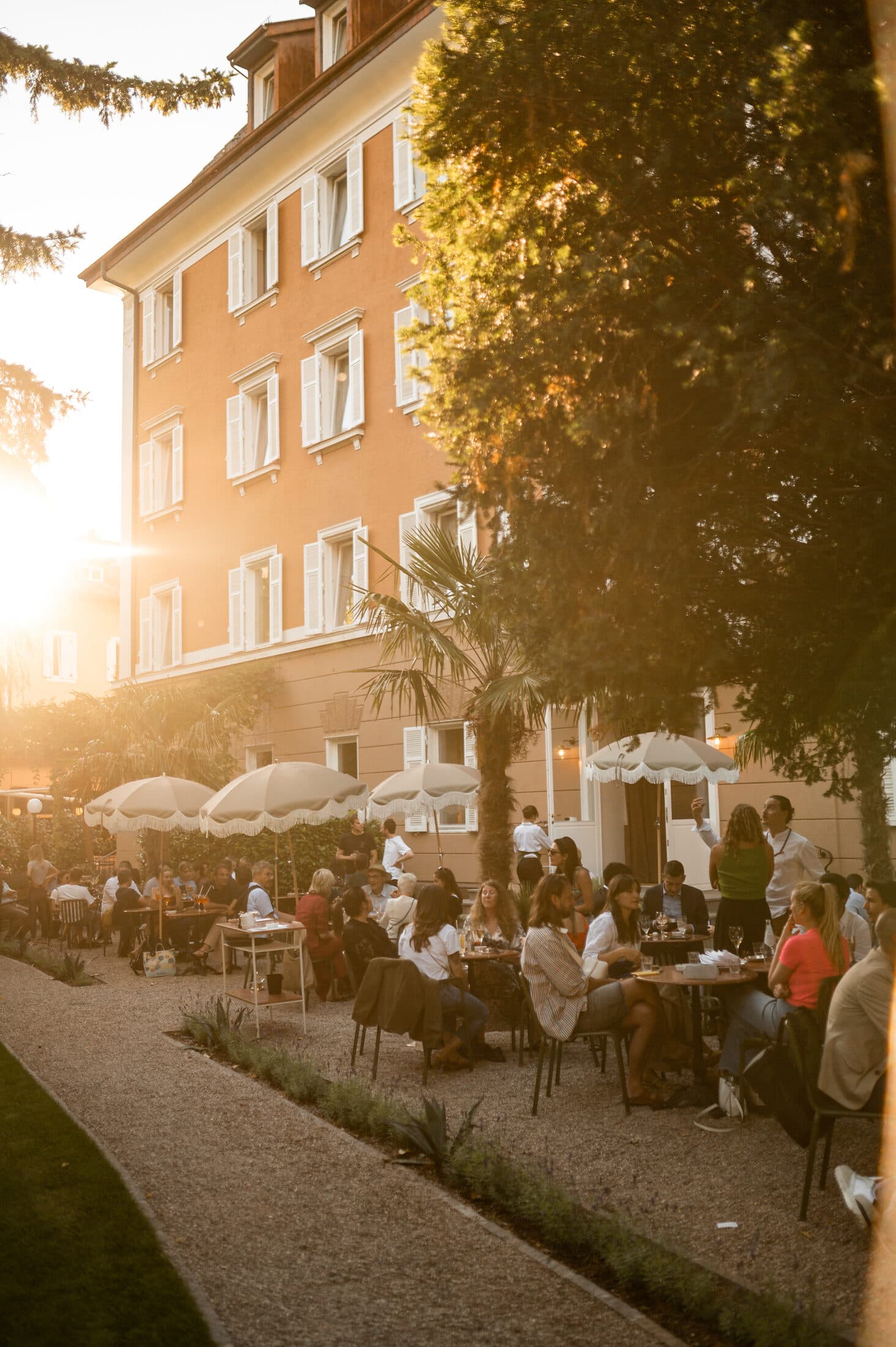
The same philosophy appears in South Tyrol. 1477 Reichhalter isn't separated from village life. It is village life. Guests share spaces with locals. The café forms part of the community. Conversations happen naturally because the scale allows them to. The building has existed for centuries. The hospitality feels equally timeless. You don't feel like you're visiting a destination. You feel like you're participating in it. And that distinction matters.
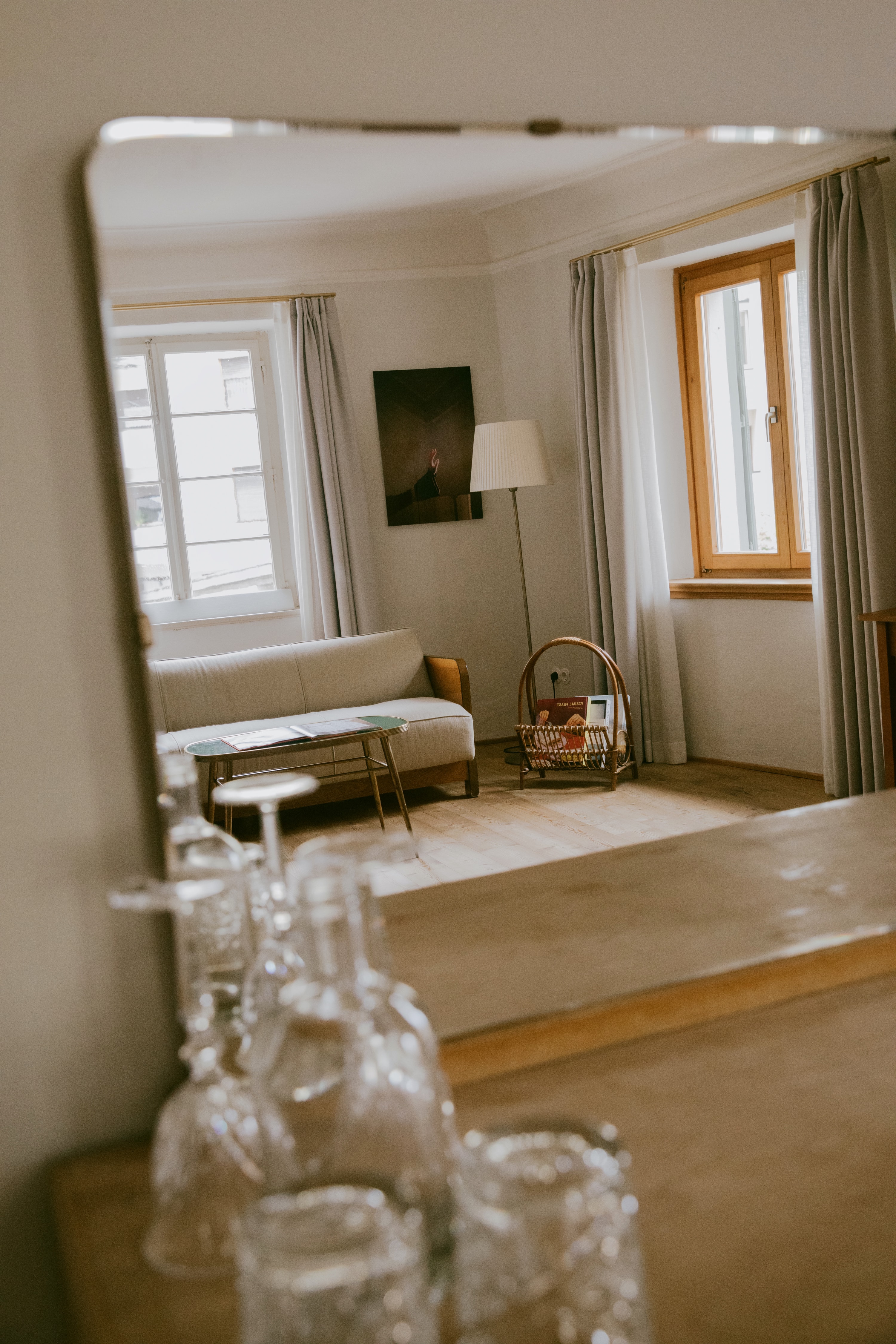
Of course, not every small hotel is special. And not every large hotel lacks character. But when a small hotel gets it right, something happens that is difficult to replicate. The atmosphere becomes inseparable from the people behind it. Owners influence the experience. Personalities shape decisions. Local knowledge replaces corporate guidelines. The result feels less predictable. More human. And ultimately more memorable.
The hotels we remember most are rarely the biggest. They're the ones where someone remembered our name. The ones where breakfast lasted longer than planned. The ones where a conversation led to a recommendation we never would have found ourselves. The ones that felt connected to a place rather than detached from it. Because while hospitality can be scaled, character rarely can. And that's why we'll always have a soft spot for smaller hotels.
.jpg&w=3840&q=90)