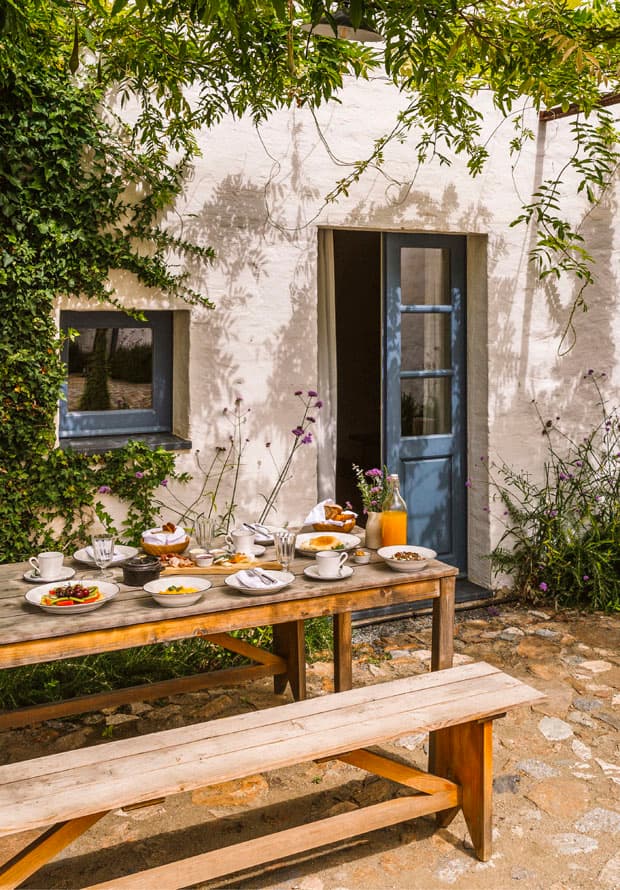
There was a time when the perfect trip seemed to involve as much movement as possible.
Three cities in a week.
Five restaurants in a weekend.
A list of recommendations saved before the plane had even left the runway.
Travel became something to optimise. We measured success by how much we managed to fit into a limited amount of time. More destinations, more highlights, more experiences.
And yet somewhere between the airport lounge and the third reservation of the day, many travellers began looking for something else.
Not more.
Less.
Less movement. Less planning. Less urgency.
The most memorable trips rarely happen when we're rushing from one place to the next. They happen when we stay long enough for a destination to reveal itself slowly.
When a favourite café becomes familiar. When we stop looking at maps. When we begin recognising the faces around us.
The industry has started calling this slow travel.
But the idea itself isn't new.
It's simply travel before we forgot how to do it.
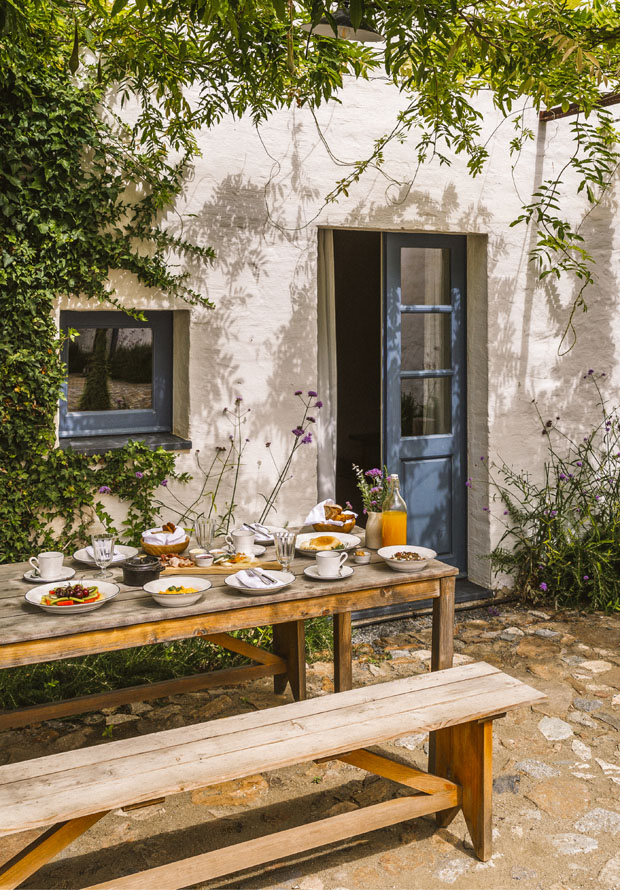
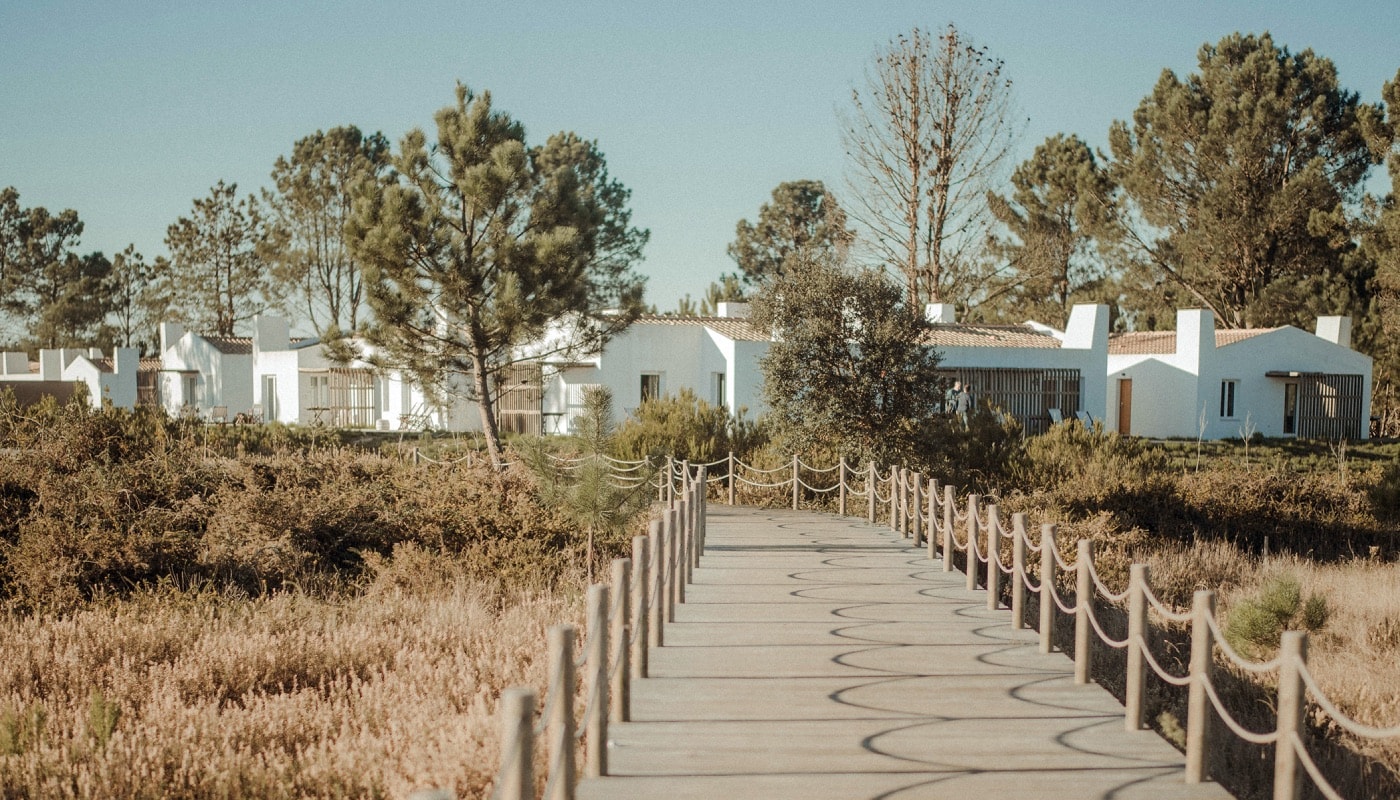
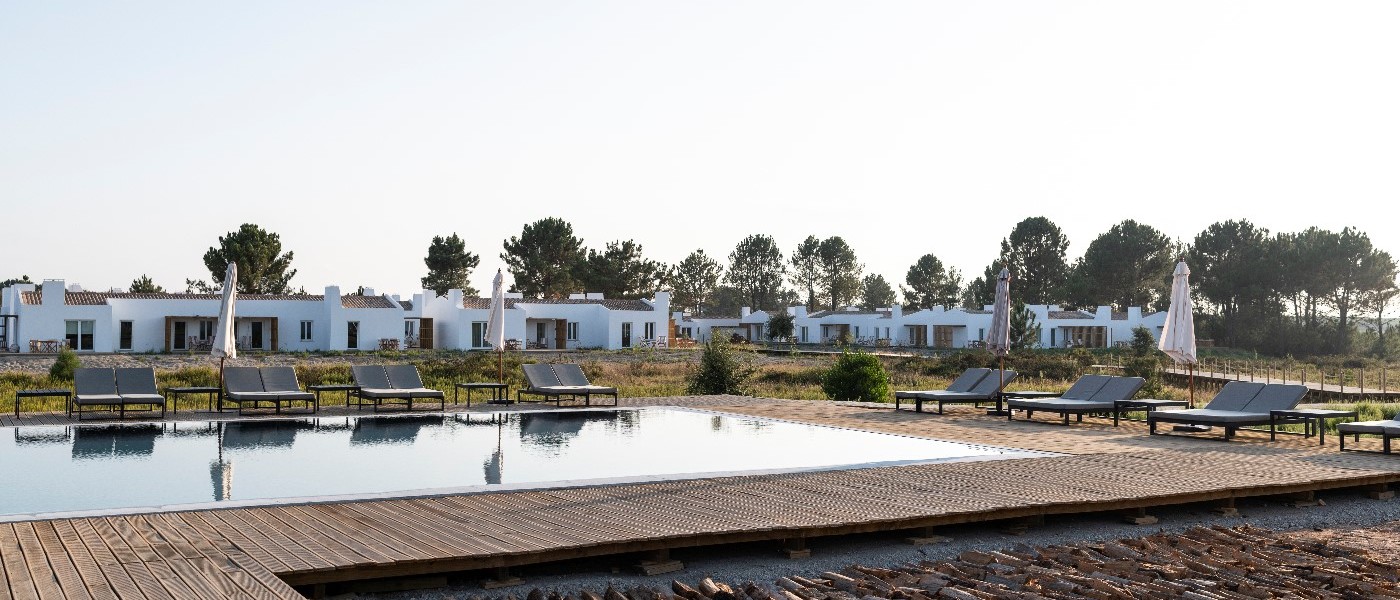
In Portugal's Alentejo, that shift becomes visible almost immediately.
The roads become quieter. The villages further apart. The landscape opens into long stretches of farmland, cork forests and rolling countryside that seem to continue indefinitely.
There are no dramatic landmarks demanding attention.
No urgency.
Just space.
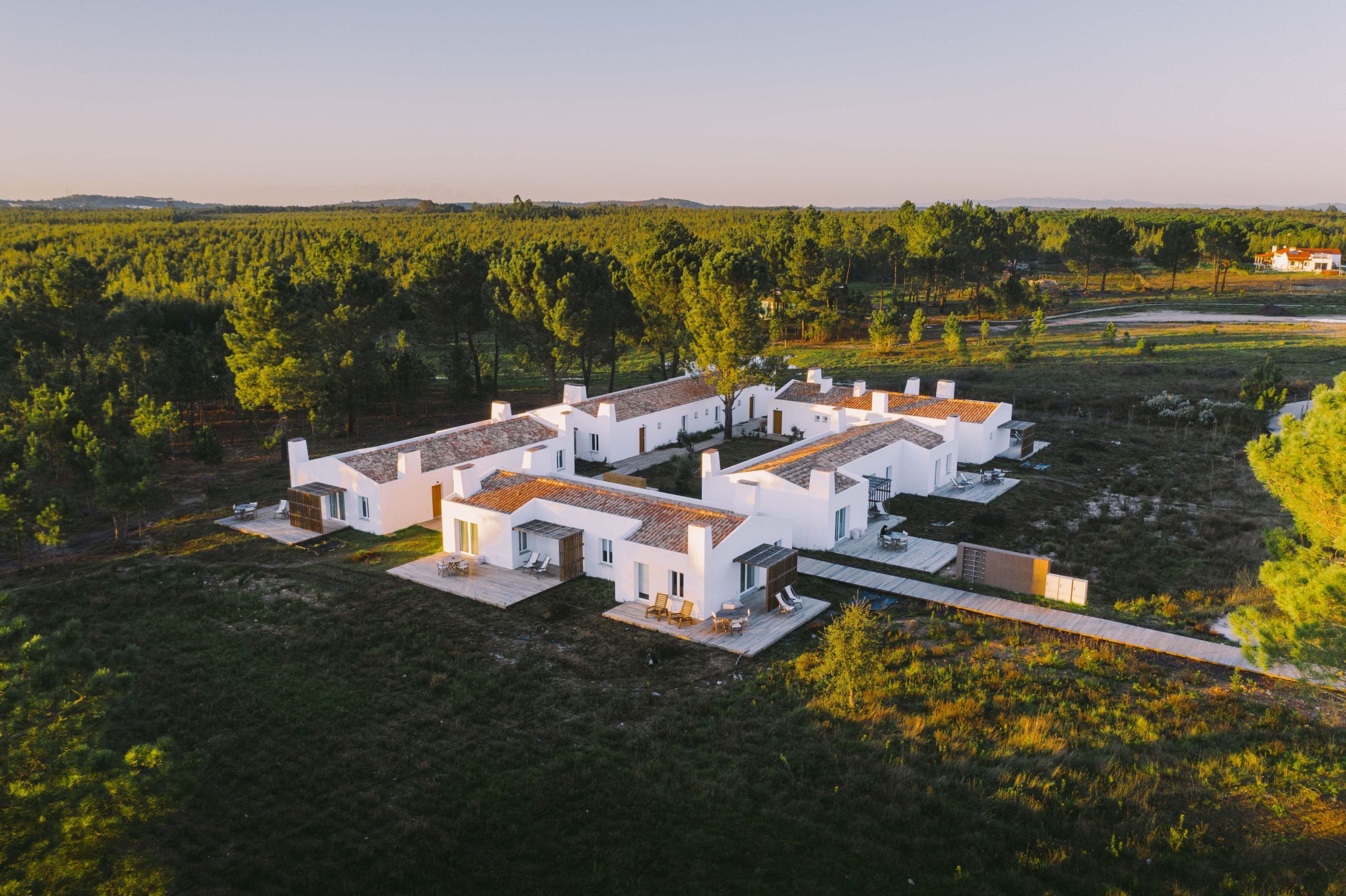
At Craveiral Farmhouse, the days seem to stretch naturally.
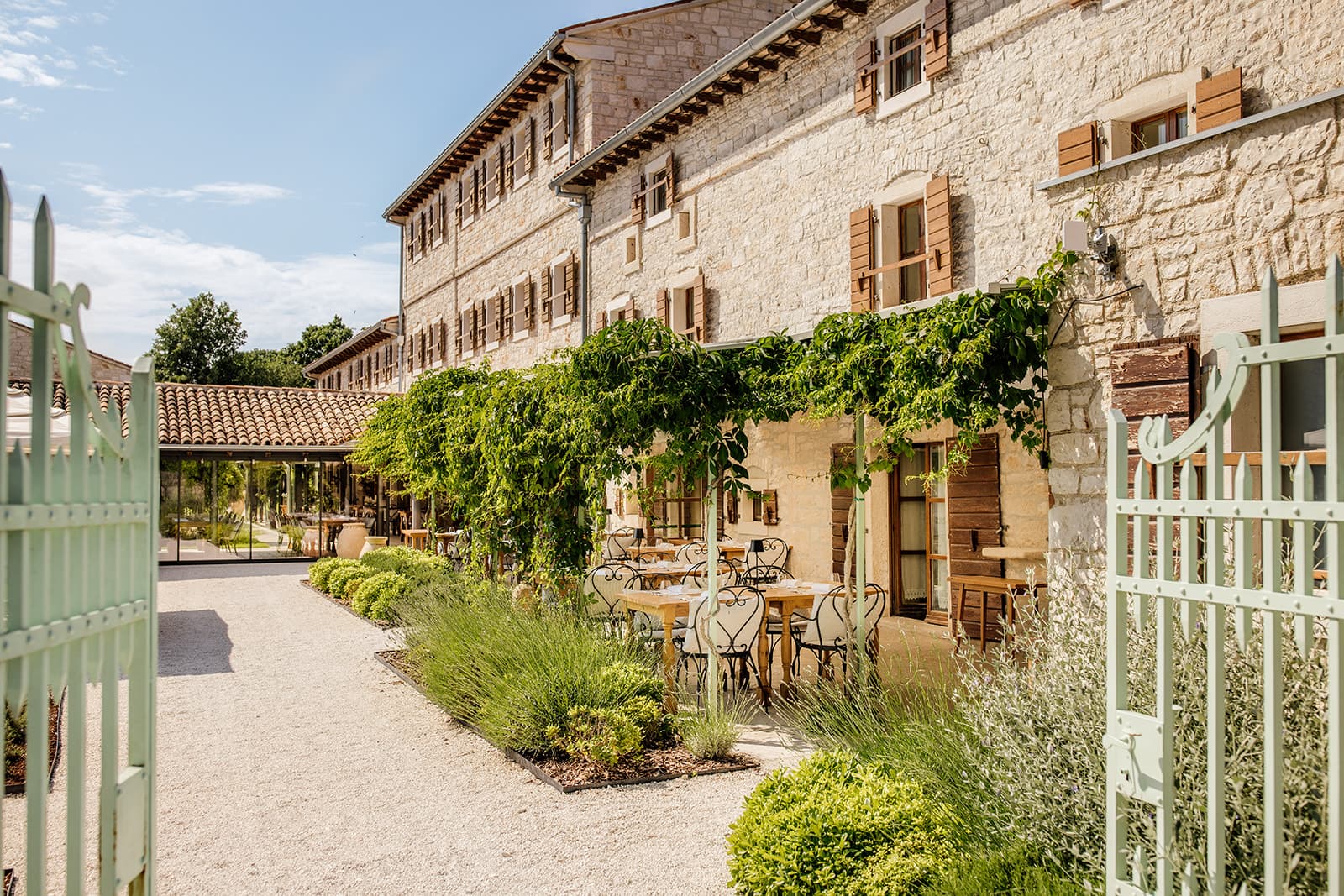
The property sits between the countryside and the Atlantic coast, surrounded by gardens, walking trails and open land. The experience feels deliberately uncomplicated. Guests move between the pool, the vegetable gardens, the farm and nearby beaches without ever feeling the need to follow a schedule.
Hours pass differently here.
Breakfast becomes coffee.
Coffee becomes a walk.
A walk becomes lunch.
And somehow an entire afternoon disappears without ever feeling planned.
That's the thing about slow travel.
Nothing remarkable appears to happen.
Until you realise you've become fully present in a place.
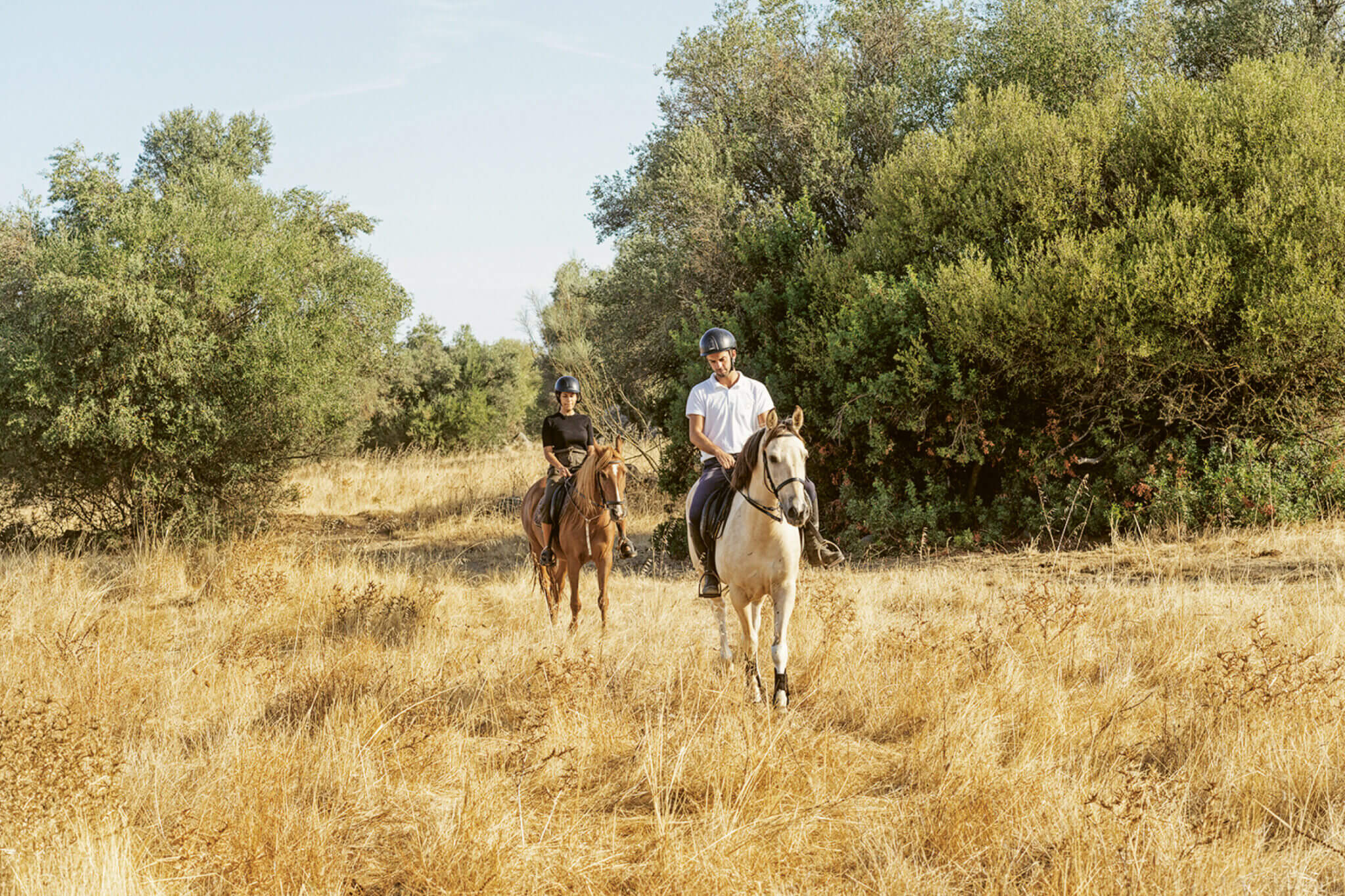
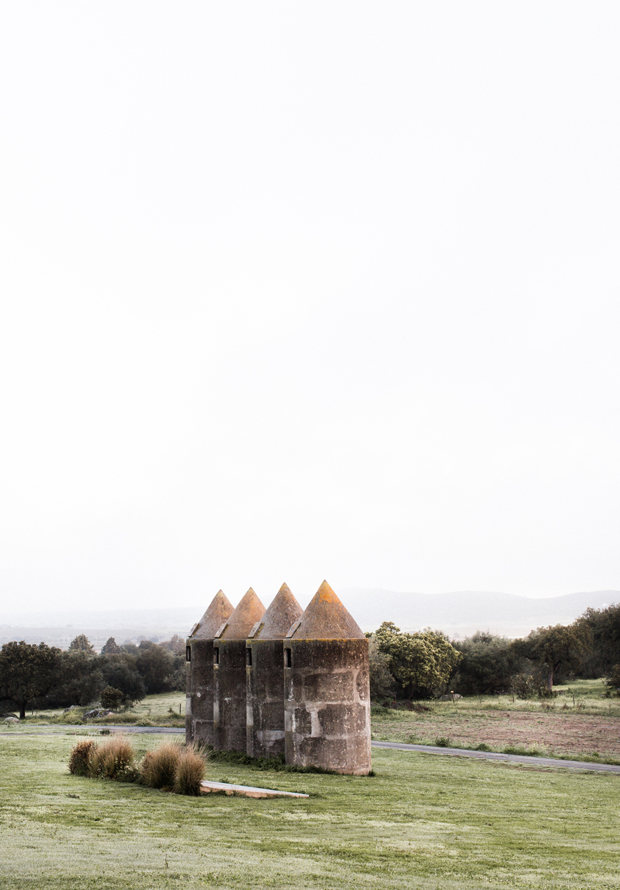
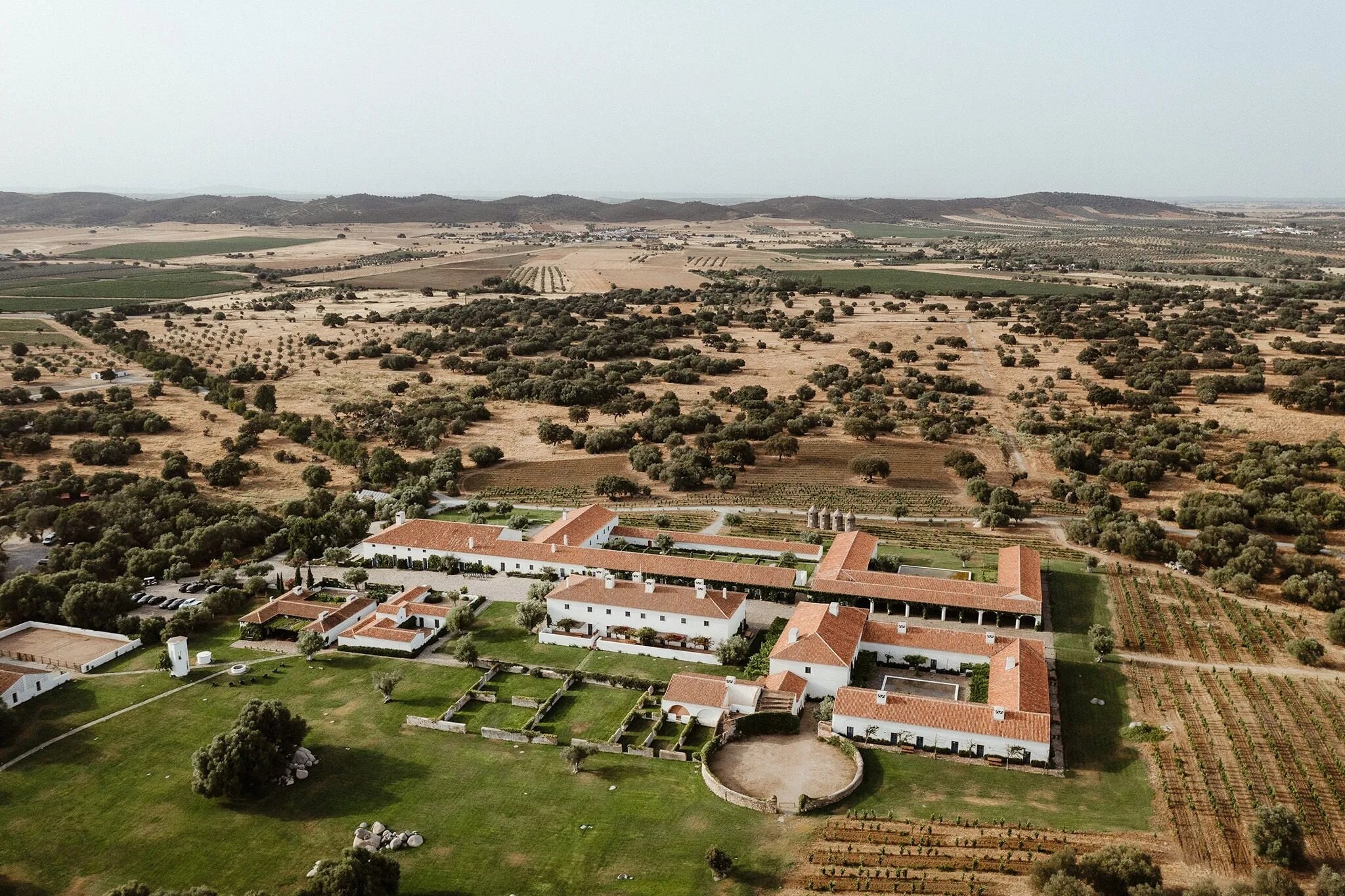
Further east, near the medieval village of Monsaraz, São Lourenço do Barrocal offers a different version of the same idea.
The estate has existed for more than two centuries.
Long before wellness became an industry.
Long before anyone thought about destination marketing.
The vineyards were already there.
The olive trees too.
Life still follows the rhythms of agriculture.
Harvests matter.
Seasons matter.
Weather matters.
Guests quickly find themselves adapting to that rhythm.
Mornings arrive slowly. Lunch extends longer than expected. Evenings often end outdoors beneath a sky filled with more stars than most people are used to seeing.
Nothing feels manufactured.
The estate isn't pretending to be connected to the landscape.
It is the landscape.
And perhaps that's why staying here feels so grounding.
The world hasn't slowed down.
You have.
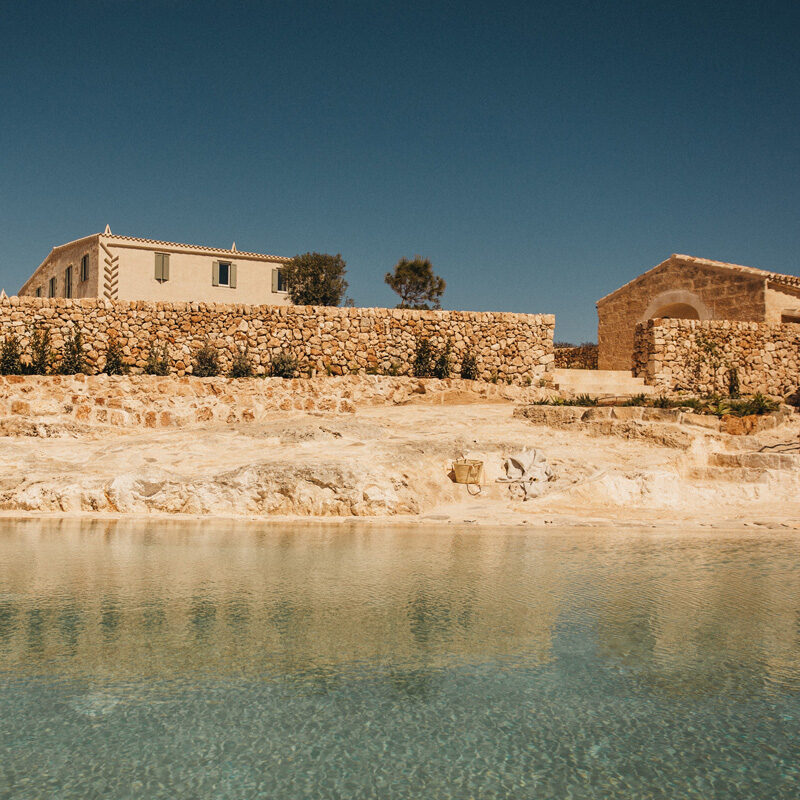
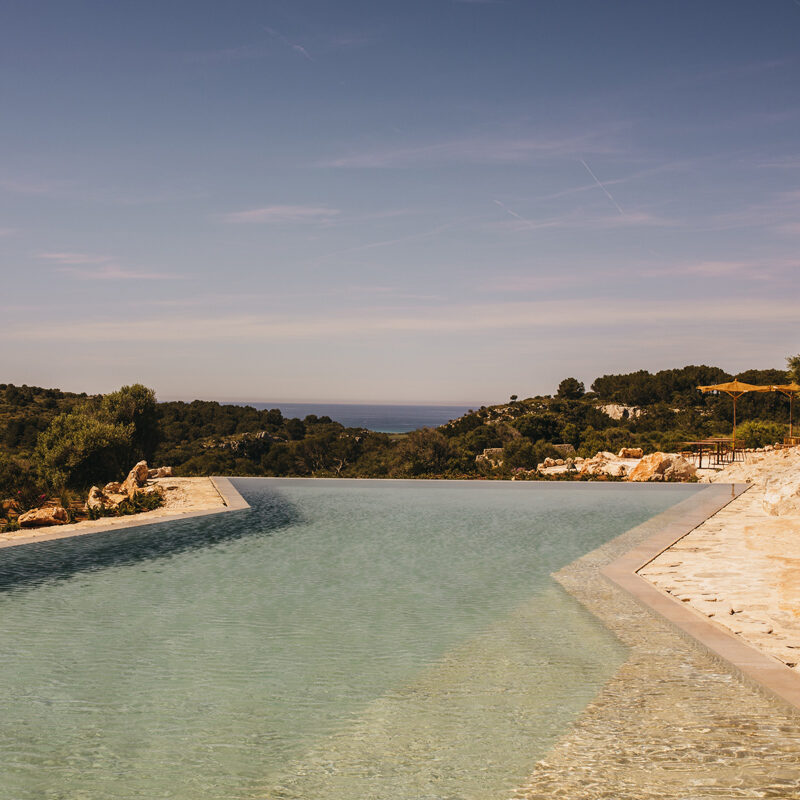
On Menorca, slow travel takes on a Mediterranean character.
The island has somehow managed to preserve much of what made travellers fall in love with it in the first place. Compared to many destinations across the Mediterranean, it feels remarkably unhurried.
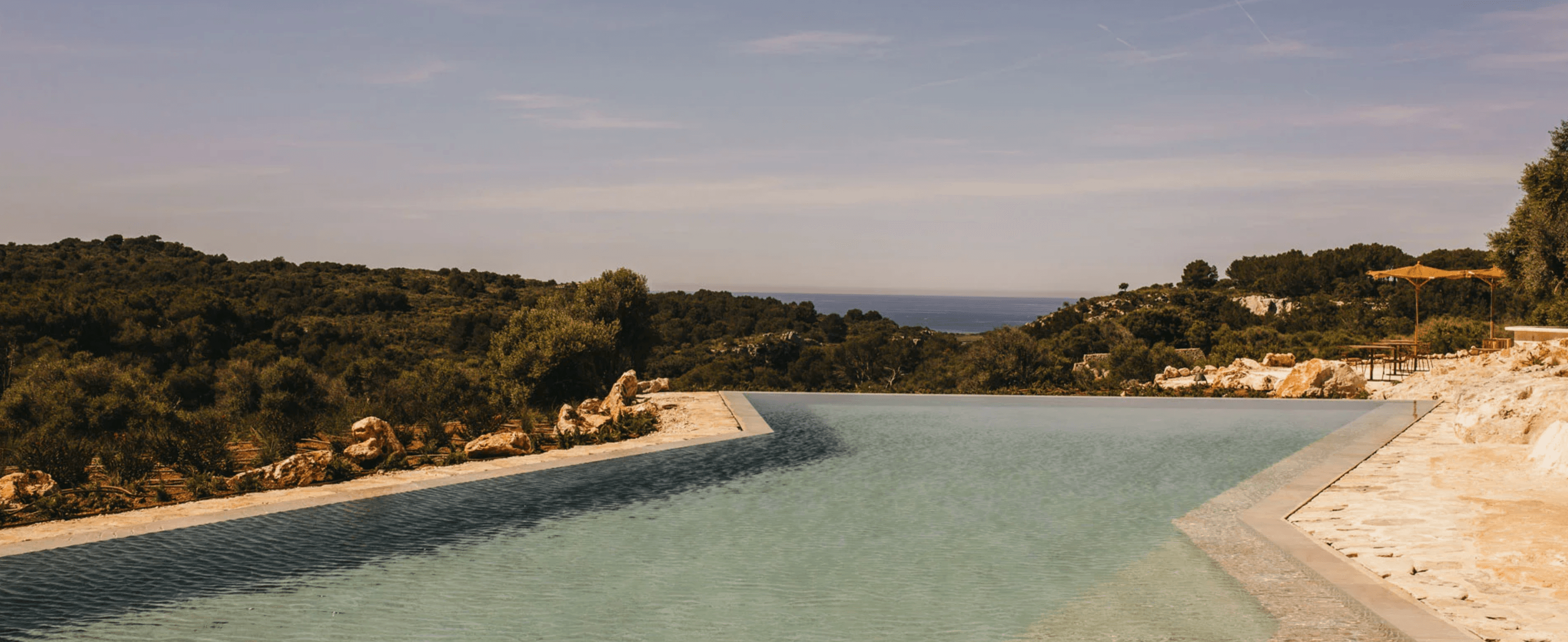
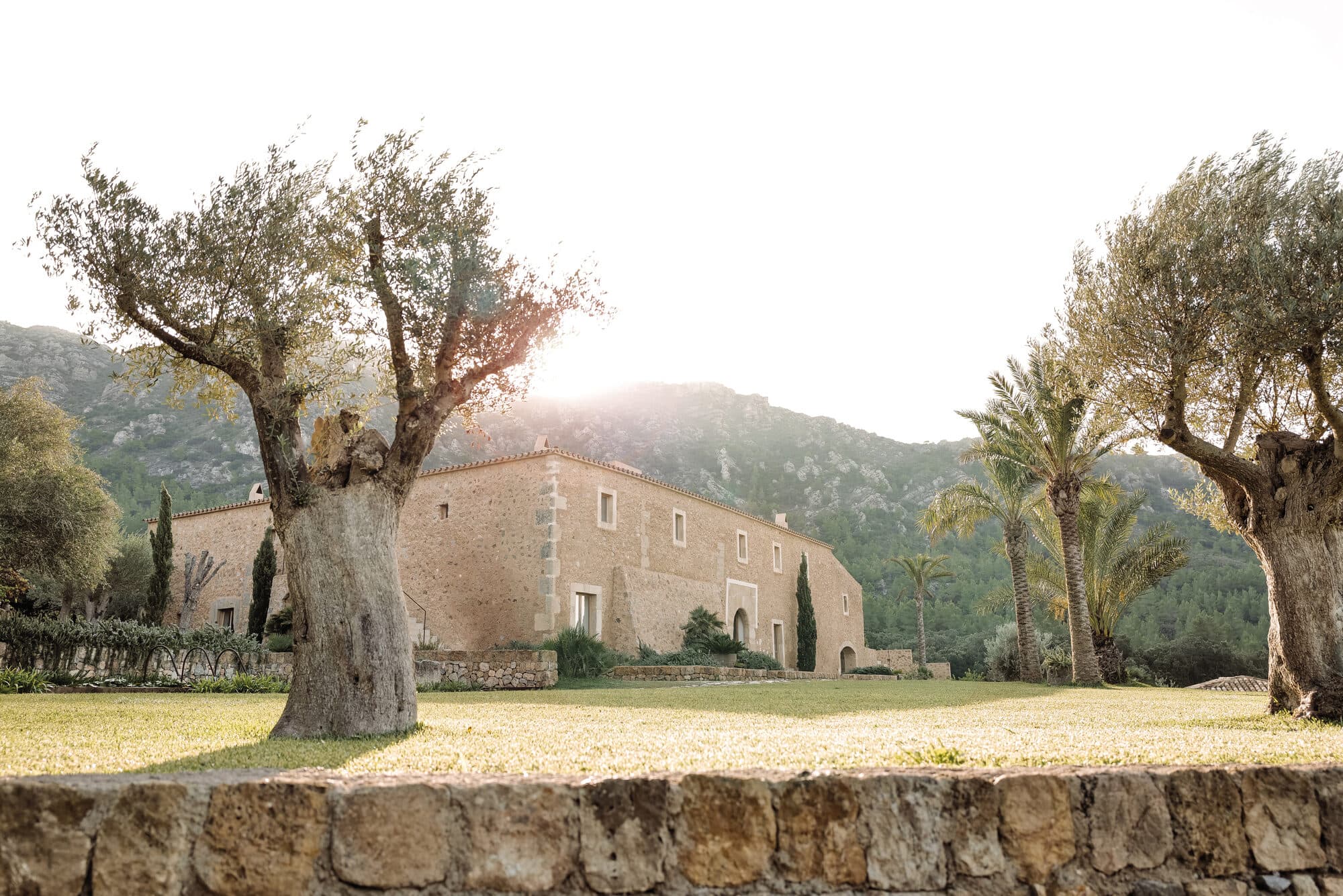
Son Blanc Farmhouse sits within 130 hectares of protected farmland, surrounded by dry-stone walls, open fields and the soft colours that define the island.
The property doesn't attempt to separate guests from the landscape.
It encourages them to move through it.
Walking paths cross the estate.
The gardens supply ingredients for the kitchen.
The sea remains close enough to influence the air.
Nothing feels disconnected.
The experience isn't built around entertainment.
It's built around place.
Which increasingly feels like a luxury.
Travel often promises authenticity.
Menorca doesn't need to.
It simply continues being itself.
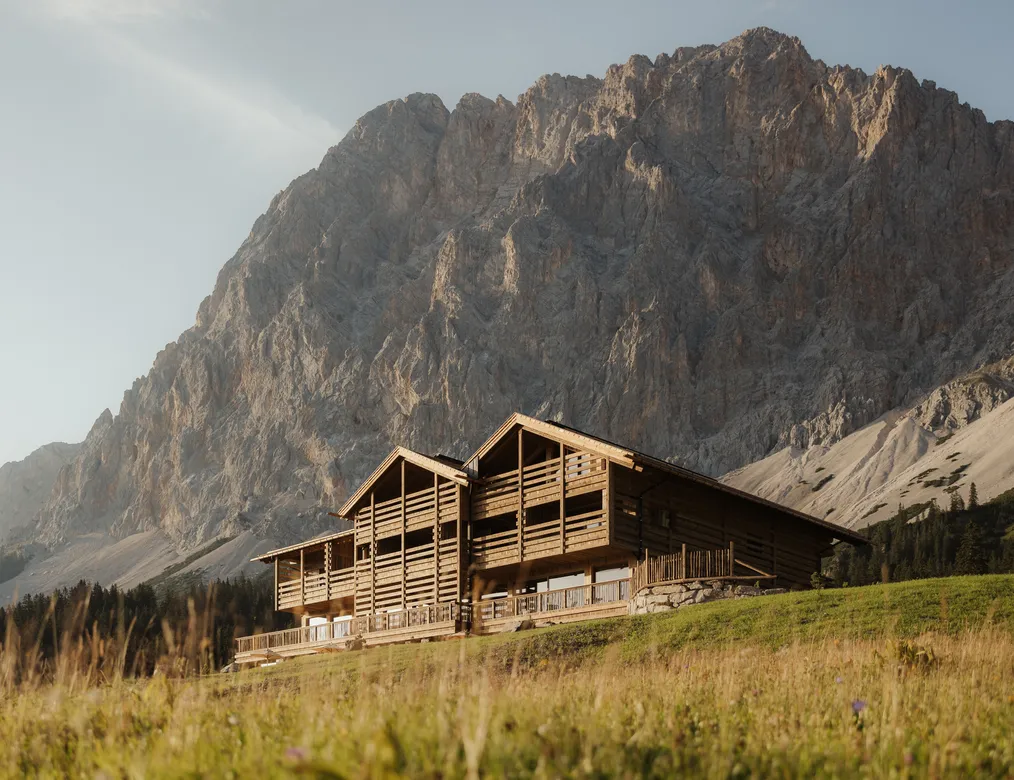
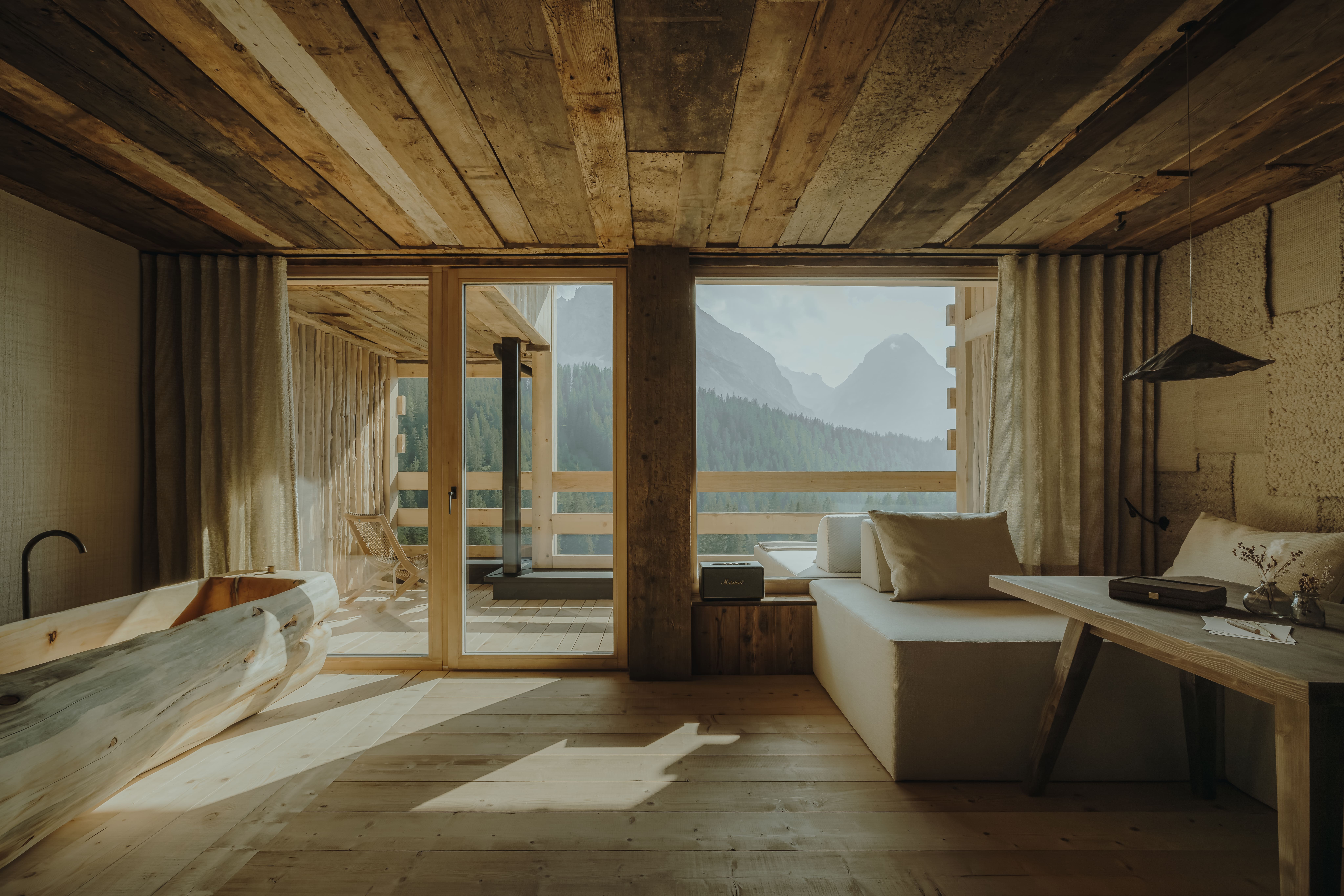
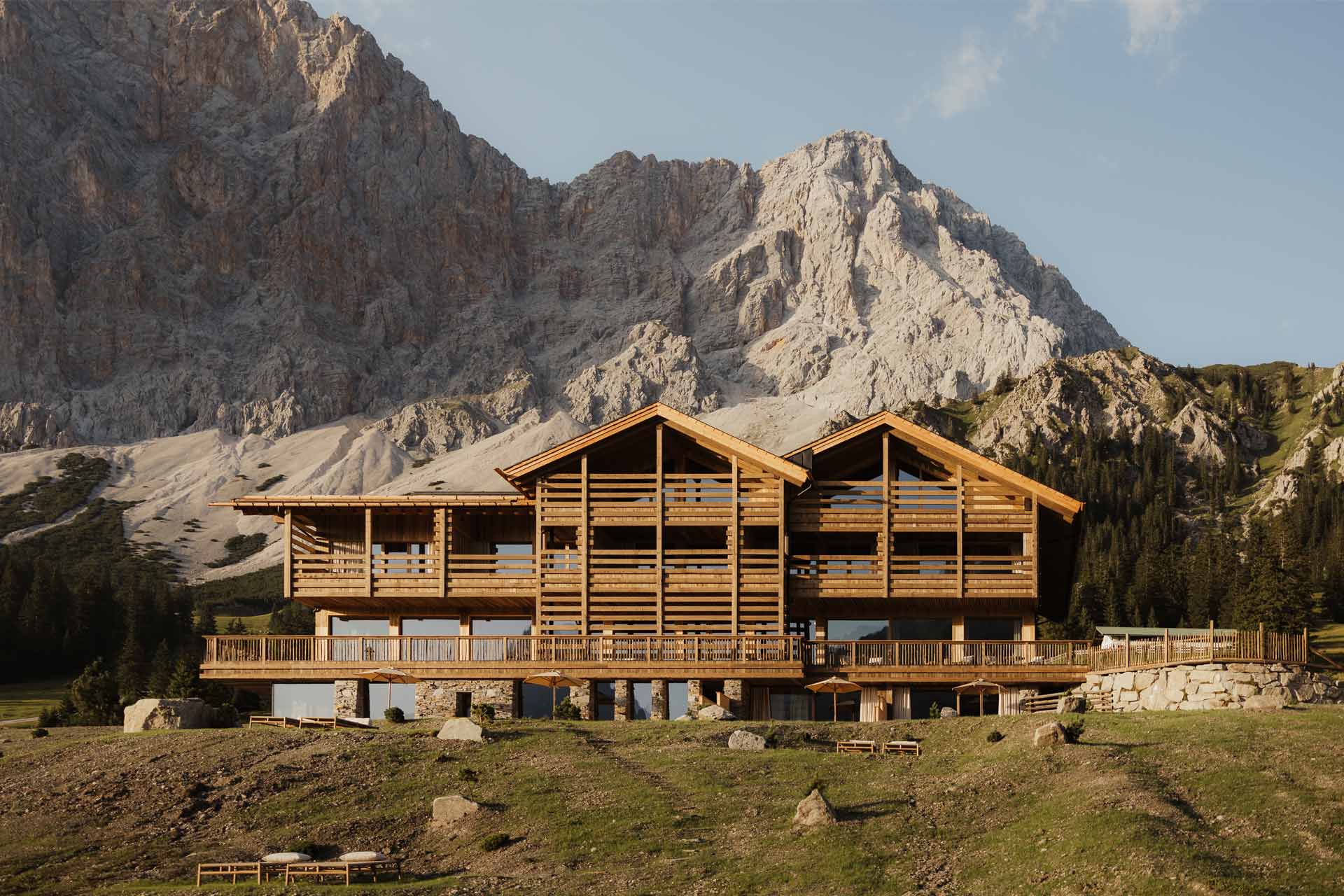
At 1,550 metres above sea level, eriro Alpine Hide offers perhaps the most radical interpretation of slow travel.
High above Ehrwald, surrounded by forests and mountains, the property feels detached from the speed of modern life.
The landscape dominates everything.
Weather moves visibly across the peaks.
Clouds become part of the scenery.
The horizon constantly shifts.
There are only nine suites.
No crowds.
No distractions competing for attention.
The silence becomes noticeable.
Then comforting.
Then strangely addictive.
Many hotels promise escape.
Very few actually create it.
eriro is one of them.
Not because it removes luxury.
Because it removes noise.
South Tyrol offers another lesson.
Many visitors arrive with plans.
A list of hikes.
Restaurants.
Wine estates.
Places to see.
And yet the region works best when some of those plans are abandoned.
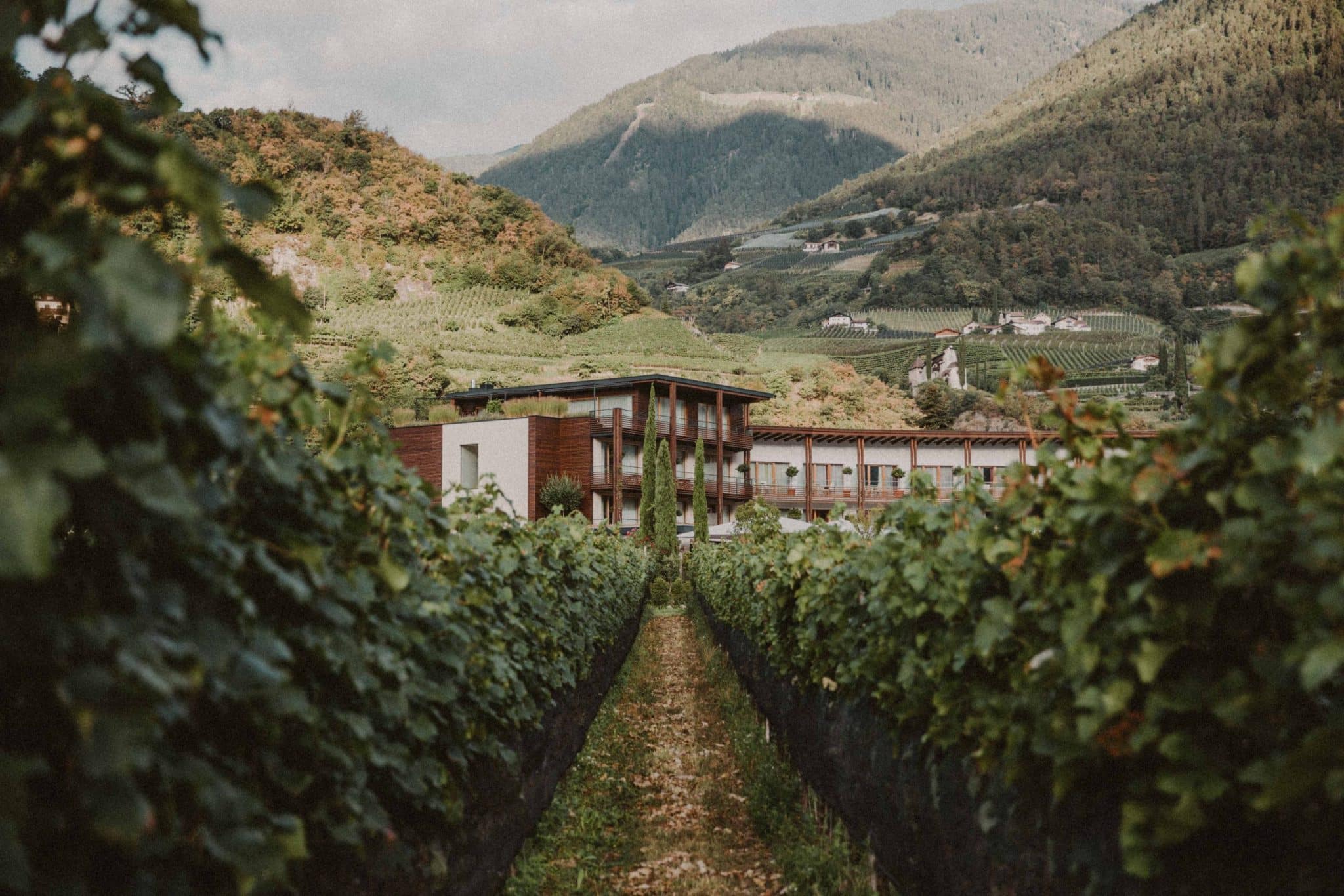
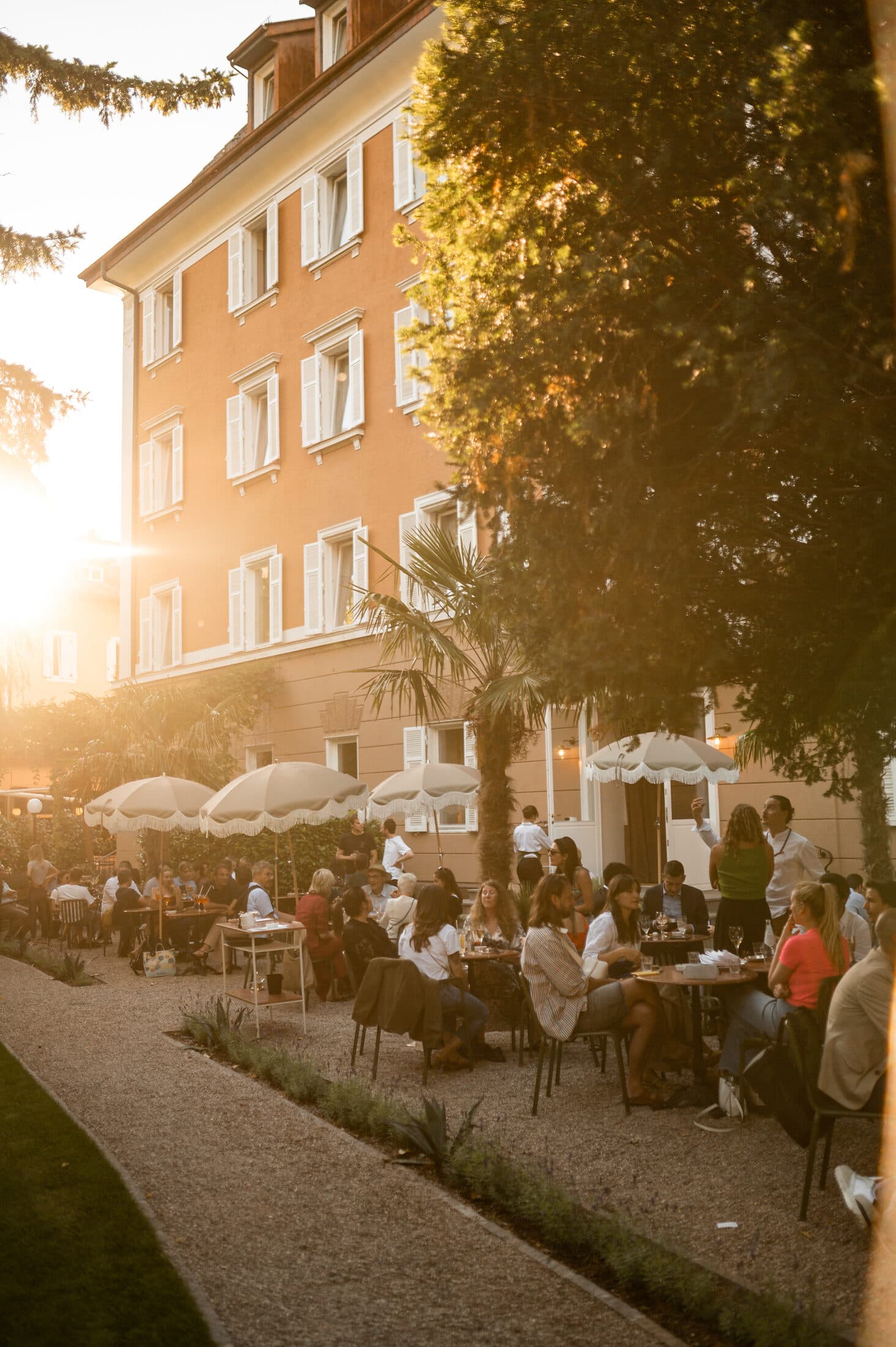
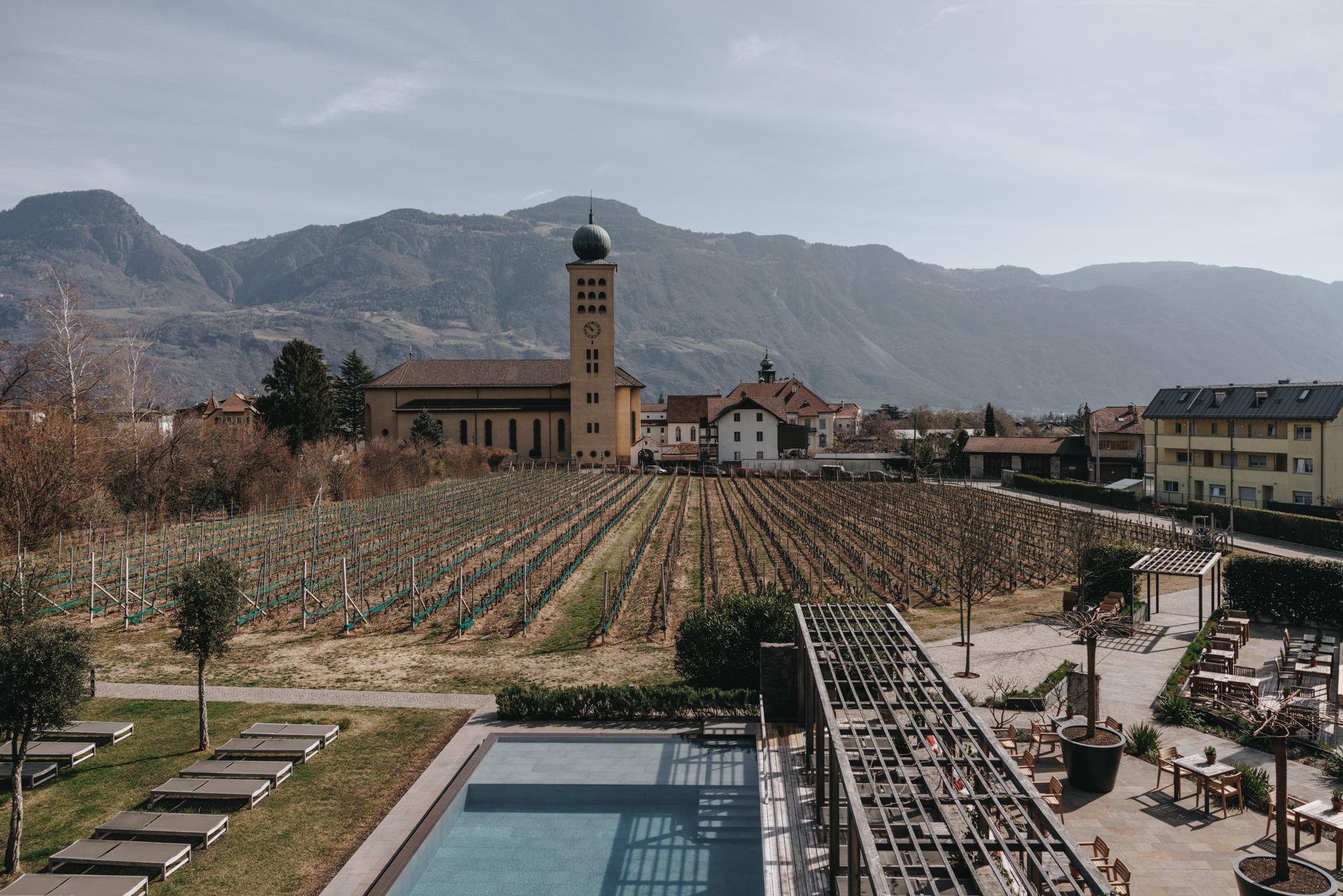
Around Lana, life unfolds at a slower pace than many travellers expect. Vineyards surround the village. Apple orchards stretch towards the mountains. Long lunches regularly become longer.
At Schwarzschmied, that philosophy feels built into the experience.
The hotel isn't asking guests to disconnect completely.
It's simply encouraging them to reconnect with something else.
The landscape.
The food.
The rhythm of the day.
The idea that perhaps not every hour needs to be optimised.
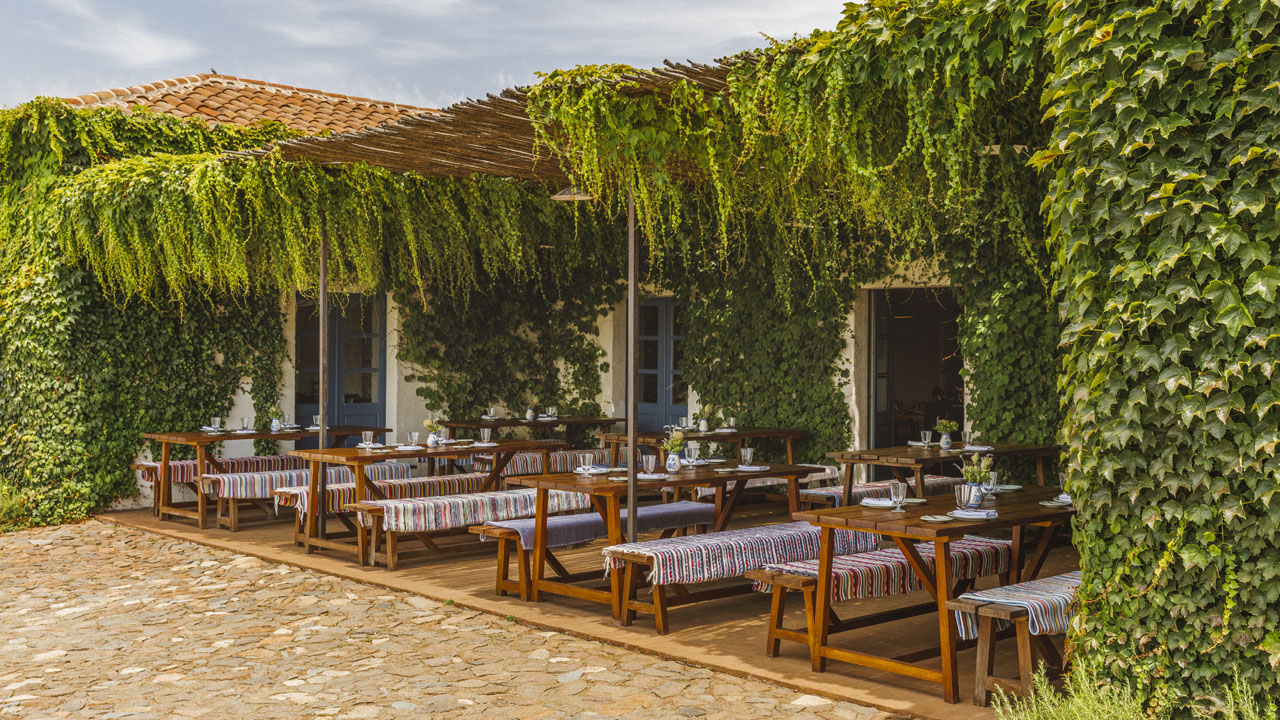
Years from now, most travellers won't remember every viewpoint, recommendation or reservation.
They'll remember a conversation.
A breakfast that somehow lasted until noon.
A walk with no destination.
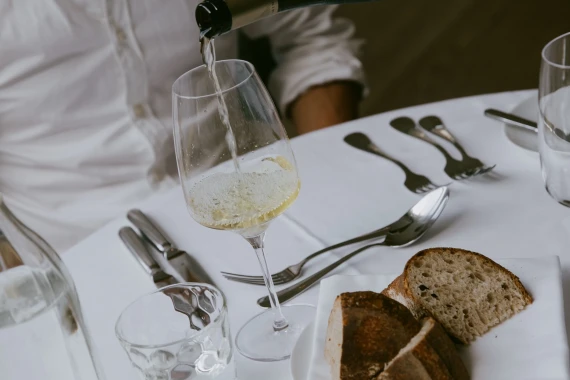
A glass of wine as the light disappeared behind the hills.
The places we remember most rarely demand our attention.
They simply give us enough time to notice them.
And perhaps that's what slow travel has always been about.
Not moving slower.
But finally arriving.